
Picking
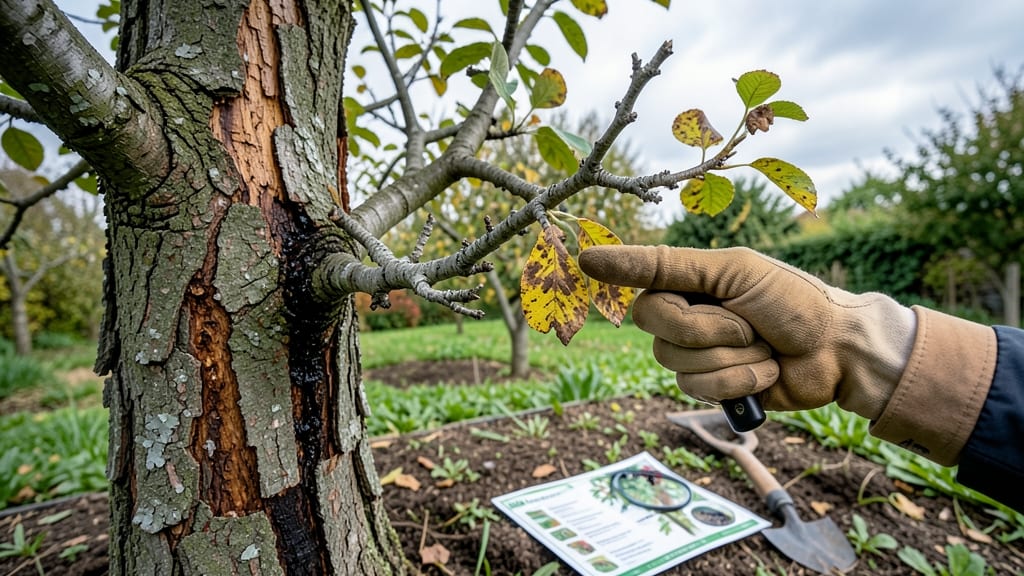
How do you know if your tree is dying? The answer might be right in front of you—before the branches go bare. 🌳 I’ve watched too many trees spiral from "just a little off" to "gone in two years"—and the warning signs are often right in front of us. Leaf discoloration, sparse foliage, or bark that peels like sunburn aren’t just aesthetic issues; they’re SOS signals your tree can’t send in words.
The first step is a quick visual check: start with the leaves—are they yellowing, browning, or dropping unseasonably? Then inspect the bark for cracks, oozing sap, or fungal growth.
Even the roots tell a story: if the soil around the base is dry or pulling away, that’s a red flag. Most people wait until it’s obvious, but catching these clues early can save your tree—and your yard’s shade.
What you’ll learn here is how to diagnose the problem without a degree. Is it drought stress, pests, or disease? We’ll break down the most common culprits and what to do next—whether it’s pruning dead branches, treating fungal spots, or calling in an arborist.
Prevention is easier than mourning a lost tree, and these steps keep yours thriving for decades.
Even if your tree is already struggling, small actions now can make a difference. Think of it like a doctor’s visit: early intervention means better outcomes. Let’s get started—your tree’s health depends on it.
📚 In This Guide
- What you need
- Instructions
- Tips and common mistakes
- Wrapping up and next steps
What you need
- ● Safety gear: Work gloves (1 pair) – gardening gloves with reinforced palms for protection
- ● Safety goggles (1 pair) – to shield eyes from debris or sap
- ● Inspection tools: Hand lens or magnifying glass (1) – 3x–10x magnification for close-up checks
- ● Tape measure (1) – 16-foot or longer for measuring tree height/circumference
- ● Notebook & pen (1 each) – for recording observations
- ● Diagnostic aids: Moisture meter (1) – soil probe type for checking root zone hydration
- ● pH test kit (1) – for soil acidity/alkalinity analysis
- ● Digital camera (1) – to document symptoms before/after treatment
- ● Pruning shears (1 pair) – bypass pruners for small branches (if you plan to trim)
- ● Tree identification app (free) – e.g., PictureThis or iNaturalist for species confirmation
- ● Reference guidebook (1) – e.g., Diagnosing Tree Problems by Gary Watson
How to diagnose tree decline: key signs to watch for
Here’s how to spot trouble before it’s irreversible—no tools needed, just your eyes and a little patience.
🌿 Step 1: Check the Leaves for Unusual Patterns
Start at the top of the tree and work your way down. Healthy leaves are vibrant, firm, and the right size for the season. Look for yellowing between veins (chlorosis), brown edges or spots, or leaves that feel thin, brittle, or crispy. These are classic signs of nutrient deficiencies, fungal infections, or environmental stress.
Pay attention to leaf drop, too. If branches are shedding more than 10-15% of their leaves in early summer, that’s a red flag. Seasonal shedding happens in fall, but not mid-season. Also, check the undersides of leaves for webbing, mold, or tiny bugs—these pests can drain a tree’s energy faster than you’d think.
🪴 Step 2: Inspect the Bark for Damage or Disease
Run your hands along the trunk and major branches. Healthy bark should feel smooth (or slightly rough, depending on the species) with no deep cracks, oozing sap, or peeling patches. Look for black, sunken areas (a sign of canker disease) or peeling bark that reveals wet, discolored wood underneath. These are serious warning signs.
Don’t overlook vertical cracks wider than ½ inch or horizontal splits around branch junctions. These can let in pests or diseases, weakening the tree’s structure. If you see mushrooms growing at the base, that’s a sure sign of root rot—your tree is already in trouble.
☀️ Step 3: Observe the Tree’s Growth Habits
Compare this year’s new growth to previous years. Healthy trees produce at least 6-12 inches of new branches annually, depending on the species. If you see no new shoots or only weak, stunted growth at the tips, the tree is struggling. Also, watch for dieback—when branches stop growing and the tips turn brown or black.
Check the crown shape. A dying tree often develops a lopsided or uneven silhouette, with one side looking bare or dead. This can happen if roots are damaged, the tree is leaning too far, or it’s not getting enough water. Tap the trunk gently with a knuckle—if it sounds hollow or rattles, internal decay is likely.
💧 Step 4: Test the Soil and Water Uptake
Dig a small hole 6-12 inches deep near the trunk (but not touching it) and check the soil. Healthy soil should smell earthy, not sour, rotten, or overly chemical. If it’s waterlogged or bone-dry, that’s a problem. Stick your finger in—if it feels compacted or like concrete, roots can’t breathe.
Water the base deeply and watch how quickly it drains. If water pools for more than 30 minutes, poor drainage is the issue. Conversely, if the soil dries out in 24 hours, the tree isn’t getting enough moisture. Both extremes stress roots and speed up decline.
⏰ Step 5: Assess the Roots for Weakness
Gently pull back the top 2-3 inches of soil near the dripline (the edge of the tree’s canopy) to inspect the roots. Healthy roots are white or tan, firm, and branch out like fingers. If you see black, mushy roots, that’s rot. Thin, hair-like roots mean the tree isn’t absorbing nutrients well.
Look for girdling roots—roots that wrap around the trunk like a belt. These restrict water and nutrient flow, choking the tree from the inside. If you spot any, the tree is at high risk unless you intervene with careful pruning or professional help.
✂️ Step 6: Listen for Unusual Sounds
Press your ear close to the trunk (without touching it) and listen for 30 seconds. Healthy trees are silent. If you hear rustling, buzzing, or tapping sounds, that’s a sign of insect infestations—like wood-boring beetles or termites—chewing away inside. Tap the trunk with a small rock—if it sounds dull or hollow, decay is likely.
Don’t ignore cracking or popping noises during wind or temperature shifts. These can signal internal wood decay or root damage, both of which weaken the tree’s stability. If you hear these, it’s time to call an arborist before the tree becomes a hazard.
🌱 Step 7: Compare to Neighboring Trees
Step back and compare your tree to others of the same species in your area. Notice differences in leaf color, branch density, and overall vigor. A dying tree often stands out as smaller, sparser, or slower-growing than its neighbors. Pay attention to how quickly they recover after storms or droughts—healthy trees bounce back faster.
If your tree is the only one struggling, the issue might be localized—like poor soil, pests, or a hidden root issue. But if multiple trees in the area are declining, the problem could be environmental, like pollution, soil contamination, or a widespread disease. In that case, testing soil or consulting a local extension service is your best bet.
Tips & tricks for diagnosing tree decline with confidence
Here's how to get the most out of your tree inspection—these tricks will help you spot subtle signs of trouble before they become obvious.
Leaf Drop Timing Matters: The 10-15% leaf drop threshold in early summer is crucial—this is when healthy trees shouldn't be shedding. I always check the calendar first to confirm it's not normal seasonal shedding. If you're seeing this in June or July, that's your first warning sign. Also, take a close look at the leaf undersides—webbed patterns or tiny black specks are often early indicators of spider mites or aphids that you can't see from a distance.
Bark Inspection Technique: When running your hands along the trunk, focus on the changes in texture rather than just visual damage. Healthy bark should feel consistent—rough for some species, smooth for others—but never spongy or wet underneath. I learned this the hard way after mistaking dry bark for healthy bark on an oak tree that was actually suffering from canker disease. The key is to press firmly enough to detect any soft spots that might indicate decay beneath the surface.
Growth Comparison Hack: For the 6-12 inches of new growth benchmark, I always compare to last year's growth by looking at the branch collar where new shoots emerge. Use a tape measure or even a ruler if the branches are small. If you can't find any new growth at all, that's a clear sign of trouble. Pro tip: Take a photo of the tree's silhouette from the same angle every year—you'll notice changes in crown shape much more easily when you have visual records to compare.
Soil Test Shortcut: When checking soil moisture, I recommend doing the 30-minute water pooling test right after a heavy rain. This gives you a baseline for how your soil drains naturally. For the 24-hour dry test, I dig a small hole in the morning and check again before bed—this helps you understand your tree's specific water needs. If your soil stays waterlogged beyond 30 minutes or dries out faster than 24 hours, you'll know exactly what adjustments to make.
Pro Tips for How Do You Know If Your Tree Is Dying
- Here's how to get the most out of your tree inspection—these tricks will help you spot subtle signs of trouble before they become obvious.
- Leaf Drop Timing Matters: The 10-15% leaf drop threshold in early summer is crucial—this is when healthy trees shouldn't be shedding.
- Bark Inspection Technique: When running your hands along the trunk, focus on the changes in texture rather than just visual damage.
Frequently asked questions
Got questions about your struggling tree? You’re not alone—here are answers to the most common concerns homeowners have when their trees start showing signs of distress.
Can a dying tree ever recover, or is it always too late?
A tree can recover if caught early! If only a few branches are affected (e.g., browning leaves, wilting foliage), pruning dead limbs and improving soil health may help. However, if the trunk is cracked, roots are rotting, or the tree is leaking sap excessively, recovery is unlikely. Act fast—healthy trees are resilient, but severe damage is often irreversible.
How long do I have before a dying tree becomes a hazard?
Time varies by tree type and damage severity. A slow decline (e.g., gradual leaf drop) may give you months to years, while sudden signs (e.g., split bark, fungal growth, or leaning) can mean weeks. If the tree is unstable or dead, remove it immediately—falling branches can cause serious injury or property damage.
Is it cheaper to save a dying tree or just remove it?
Cost depends on the tree’s size, health, and location. Saving it (pruning, fertilizing, pest control) might cost $100–$500, while removal (especially large or hazardous trees) can run $300–$2,000+. Get a professional arborist’s quote first—sometimes a hybrid approach (partial removal + care) balances cost and safety.
What’s the best replacement tree if mine is beyond saving?
Choose a native, low-maintenance species suited to your climate. For shade: Oak or Maple; for privacy: Arborvitae or Leyland Cypress; for small spaces: Japanese Maple or Dwarf Fruit Trees. Avoid fast-growing trees (e.g., Willows) unless you’re prepared for frequent pruning—they often outgrow their space quickly.
Can I diagnose my tree’s issue myself, or do I need an expert?
You can spot basic problems (drought stress, pests, or disease), but for accurate diagnosis, consult a certified arborist. They’ll check for root rot, borer infestations, or nutrient deficiencies—issues DIY tests (like soil pH kits) might miss. If the tree is valuable or near structures, skip the guesswork and call a pro.
Still unsure? Bookmark this guide and revisit the 7 key signs your tree is struggling. Early action makes all the difference!
Wrapping up and next steps
Don’t let a dying tree stress you out—act fast, and you can often save it! 🌱 Look for the 7 key signs like discolored leaves, peeling bark, or fungal growth, and take action before it’s too late.
Whether it’s pruning, watering, or calling an arborist, your tree still has a fighting chance.
Ready to take the next step? Inspect your tree today—check the roots, branches, and trunk for early warning signs. If you’re unsure, consult a local expert for a professional diagnosis. Your tree (and your yard!) will thank you! 🌳💚