
Pruning
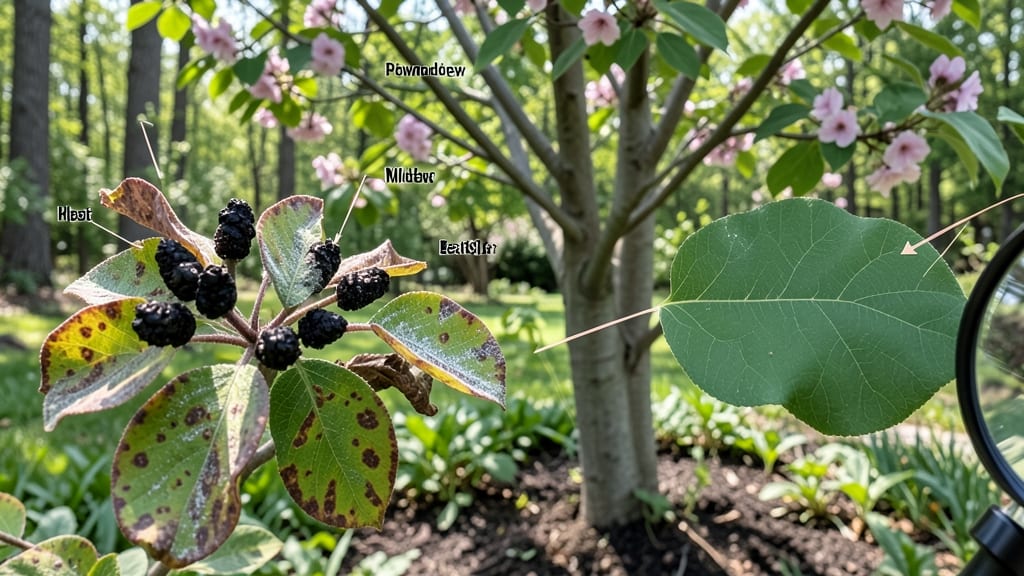
Your Oklahoma redbud tree problems shouldn’t include yellow leaves or wilted branches—those are red flags. 🌿 I’ve seen this tree thrive in Oklahoma’s heat and clay soil, but neglect or pests can turn its beauty into a struggle.
The good news? Most problems have simple fixes, from adjusting watering habits to targeting hidden pests before they spread.
Yellowing leaves often mean overwatering or poor drainage, while root rot sneaks in when Oklahoma’s summer heat meets soggy soil. Spider mites and borers also love redbuds, leaving behind webbing or sawdust-like frass.
The key is catching these issues early—before they turn your tree’s vibrant foliage into a sad, sparse mess.
With the right care, your redbud can bounce back stronger. Prune damaged branches, improve soil drainage, and apply neem oil for pests. Within weeks, you’ll see fresh growth and those signature pink blooms returning—proof that even Oklahoma’s toughest trees can recover with the right touch.
Whether you’re dealing with drought stress or fungal spots, this guide covers the most common redbud problems and how to fix them—so your tree stays healthy year-round. Let’s get your redbud back in top shape!
Root Causes Of Redbud Struggles
Understanding why your Oklahoma redbud tree (Cercis canadensis) is acting up starts with its environment and biology. These trees thrive in the region’s climate but can face specific issues when conditions shift.
Below, we break down the key culprits behind common problems—from wilting leaves to root rot—so you can pinpoint the root (pun intended) of the issue.
🌡️ Extreme Heat or Drought Oklahoma’s summers can push temperatures into the 90s°F+, and redbuds are sensitive to prolonged dry spells.
When soil moisture drops below 30%, roots struggle to absorb water, leading to: - Wilting or curling leaves (a survival mechanism to reduce water loss). - Premature leaf drop (the tree “sacrifices” foliage to conserve energy). - Thin, brittle bark (lack of hydration weakens cellular structure).
Why it happens: Redbuds have shallow root systems (typically within 12–18 inches deep), making them vulnerable to surface-level drought. Clay-heavy Oklahoma soils also bake hard in heat, blocking water penetration.
💡 Pro Tip: Mulch with 2–3 inches of organic material (wood chips, pine straw) to retain moisture. Water deeply 2–3 times per week during droughts, aiming for 1–1.5 inches of water per session.
🌱 Compacted or Waterlogged Soil Redbuds prefer well-draining, slightly acidic soil (pH 6.0–7.0), but Oklahoma’s mix of clay and limestone can create problems:
- Root rot (from poor drainage): Fungal pathogens like Phytophthora thrive in soggy conditions, choking roots and cutting off nutrient flow.
- Nutrient deficiencies (from alkaline soil): High pH (>7.5) locks out iron, manganese, and zinc, causing yellowing between leaf veins (chlorosis).
Why it happens: Clay soils repel water when dry and hold too much when wet, while limestone raises pH. Redbuds also hate soggy feet—their roots need oxygen to function.
🔨 Action Step: Test your soil’s pH (kits cost ~$10) and amend with sulfur or peat moss to lower pH. For drainage, mix in compost or perlite during planting.
🍄 Root Rot and Leaf Spot Diseases Oklahoma’s humid springs and fall rains create the perfect storm for fungal invaders.
Two common offenders: 1. Root Rot (Phytophthora or Armillaria): - Symptoms: Mushy, brown roots; wilting despite moist soil; tree “suddenly” dies in late summer. - Why it happens: Overwatering, poor drainage, or wounds from pruning create entry points.
Fungi consume root tissue, disrupting water transport.
- Anthracnose or Powdery Mildew:
- Symptoms: Dark spots on leaves (anthracnose) or white powdery patches (mildew).
- Why it happens: Fungal spores spread via splashing water or humid air. Weakened trees (from stress or poor nutrition) are easy targets.
💡 Prevention: Avoid overhead watering; prune for airflow (remove dense branches); apply copper fungicide in spring if history of infections.
🐜 Sap-Sucking and Boring Pests Redbuds attract pests that drain nutrients or transmit diseases:
- Japanese Beetles: Skeletons leaves by chewing between veins; defoliation stresses the tree.
- Scale Insects: Tiny, armored pests that suffocate roots by excreting honeydew (attracts sooty mold).
- Borers (Sirex or Agrilus): Larvae tunnel into roots or trunk, creating entry points for fungi.
Why it happens: Pests target stressed trees (drought, poor soil). Oklahoma’s mild winters let populations boom.
🛡️ Solution: Handpick beetles; spray neem oil for scales; seal pruning wounds with pruning paint to block borers.
✂️ Wrong Techniques Damage Trees Redbuds are sensitive to aggressive pruning or poor planting sites:
- Over-pruning: Removing >25% of canopy in one session stuns the tree, reducing photosynthesis.
- Planting too deep: Buried trunks strangle roots, preventing oxygen uptake.
- Wrong location: Planting under large shade trees (competes for water) or in low spots (water pools).
Why it happens: Redbuds have weak wood and slow regrowth. Improper cuts or placement disrupt their delicate balance.
🌿 Best Practices: Prune in late winter/early spring (before bud break); never top the tree; plant with the root flare visible (top of roots should sit 1–2 inches above soil).
Practical fixes for redbud trees
Reviving your Oklahoma redbud tree starts with identifying the root cause—and then taking action! Below are step-by-step solutions for common issues, from yellowing leaves to root rot, along with prevention tips to keep your tree thriving. Let’s turn those problems into a healthy, blooming success! 🌱💚
1️⃣ Adjust Watering Habits (Too Much or Too Little)
Redbud trees dislike soggy soil, but they also hate drought stress. Follow these steps to find the right balance:
- 🔥 Check Soil Moisture First Stick your finger 2 inches deep into the soil. If it’s damp, hold off on watering. If dry, it’s time to hydrate.
- Pro Tip: Use a moisture meter for accuracy, especially in Oklahoma’s unpredictable clay soil.
- 💧 Water Deeply but Infrequently Water slowly and deeply (1–2 inches per week) rather than frequent shallow sprinkles. This encourages strong root growth.
- Best Time: Early morning to reduce evaporation.
- 🌡️ Improve Drainage If your tree sits in a low spot where water pools, amend the soil with compost or sand to improve drainage.
- Quick Fix: Create a slight mound around the base (but not touching the trunk) to guide water away.
2️⃣ Boost Nutrients with the Right Fertilizer
Yellowing leaves can signal a hunger for key nutrients. Try these targeted fixes:
| Symptom | Likely Cause | Solution |
|---|---|---|
| Pale yellow leaves | Nitrogen deficiency | Apply a balanced fertilizer (10-10-10) in early spring. |
| Yellow with brown edges | Potassium deficiency | Use a potassium-rich fertilizer (like 0-0-50) or wood ash. |
| Stunted growth + yellow | Phosphorus lack | Try a bone meal or rock phosphate supplement in fall. |
| Overall weak foliage | Micronutrient deficit | Use a chelated iron or manganese spray if leaves are yellow and small. |
- 💡 Prevention Tip: Mulch properly—2–3 inches of organic mulch (like shredded bark) retains moisture and slowly releases nutrients.
1️⃣ Stop the Waterlogging ASAP
Root rot thrives in waterlogged soil, so act fast:
- 🔪 Prune Affected Roots (If Severe)
- Carefully dig around the outer roots (wear gloves!).
- Trim mushy, black, or foul-smelling roots with sterilized pruners.
- Warning: Only do this if the tree is severely infected—healthy roots are white or tan.
- 🏗️ Improve Soil Aeration
- Mix coarse sand or perlite into the top 6 inches of soil to break up compacted clay.
- Consider raising the tree’s base slightly with a soil mound (not touching the trunk).
2️⃣ Fungal Treatment & Prevention
Root rot is often fungal—here’s how to fight back:
- 🍄 Apply Fungicide Use a copper-based or phosphite fungicide (like Subdue or Cleary’s 3336) according to package instructions.
- Best Time: Apply early spring before new growth starts.
- 🌡️ Adjust Irrigation
- Install a drip irrigation system (avoids overhead watering).
- Ensure your tree has proper spacing—redbuds need 6–10 feet from structures to avoid moisture traps.
- ✨ Long-Term Fix: Plant grasses or ground covers (like clover) around the tree to reduce soil compaction and improve airflow.
1️⃣ Spider Mites & Aphids: Spray & Scrub
- 🍳 Homemade Soap Spray Mix 1 tsp mild dish soap + 1 quart water in a spray bottle. Test on a small leaf first!
- Spray undersides of leaves where pests hide. Repeat every 5–7 days until gone.
- 👨🍳 Neem Oil Treatment Combine 1 tbsp neem oil + 1 tsp horticultural oil + 1 quart water. Spray evening or cloudy days to avoid leaf burn.
2️⃣ Powdery Mildew: Fungal Foe
- 🌿 Baking Soda Spray Mix 1 tbsp baking soda + 1 tsp soap + 1 gallon water. Spray weekly until mildew clears.
- Prevention: Space trees for airflow and water at the base (not leaves).
- 🌱 Prune in Late Winter/Early Spring Remove dead, crossing, or weak branches to improve airflow and sunlight.
- 🍂 Fall Cleanup Rake up fallen leaves to reduce fungal overwintering.
- 📅 Monitor Seasonally Check for early signs of stress (wilting, discoloration) and act before problems worsen.
Your Oklahoma redbud can bounce back—just give it the right care! With these fixes, you’ll be enjoying vibrant pink blooms and lush foliage in no time. 🌸💖
Frequently asked questions
Why are my redbud leaves turning yellow in Oklahoma’s heat?
Yellowing leaves often signal overwatering or nutrient deficiencies in Oklahoma’s clay soil. Check soil moisture—if damp, reduce watering to 1–2 inches per week. For nutrient issues, apply a balanced fertilizer (10-10-10) in spring or use chelated iron for chlorosis (yellowing between veins).
How do I know if my redbud has root rot?
Look for mushy, black roots and wilting despite moist soil—classic root rot signs. Dig carefully (wear gloves!) and trim affected roots. Improve drainage by amending soil with sand or perlite and avoid overhead watering. Copper fungicide can help prevent spread.
Are Japanese beetles destroying my redbud’s leaves?
Yes! These pests create skeletonized leaves (chewed between veins). Fight back with a homemade soap spray (1 tsp dish soap + 1 quart water) or neem oil. Spray undersides of leaves in the evening for best results. Repeat every 5–7 days until gone.
Can I prune my redbud in summer?
No—prune only in late winter/early spring (before bud break). Summer pruning stresses the tree, especially in Oklahoma’s heat. Remove dead or crossing branches to improve airflow, but avoid heavy pruning. Always sterilize tools to prevent disease spread.
What’s the best mulch for Oklahoma redbuds?
Use 2–3 inches of organic mulch (wood chips or pine straw) to retain moisture and regulate soil temperature. Keep mulch away from the trunk to prevent rot. Avoid thick layers (>3 inches), which can suffocate roots and attract pests.