
Pruning
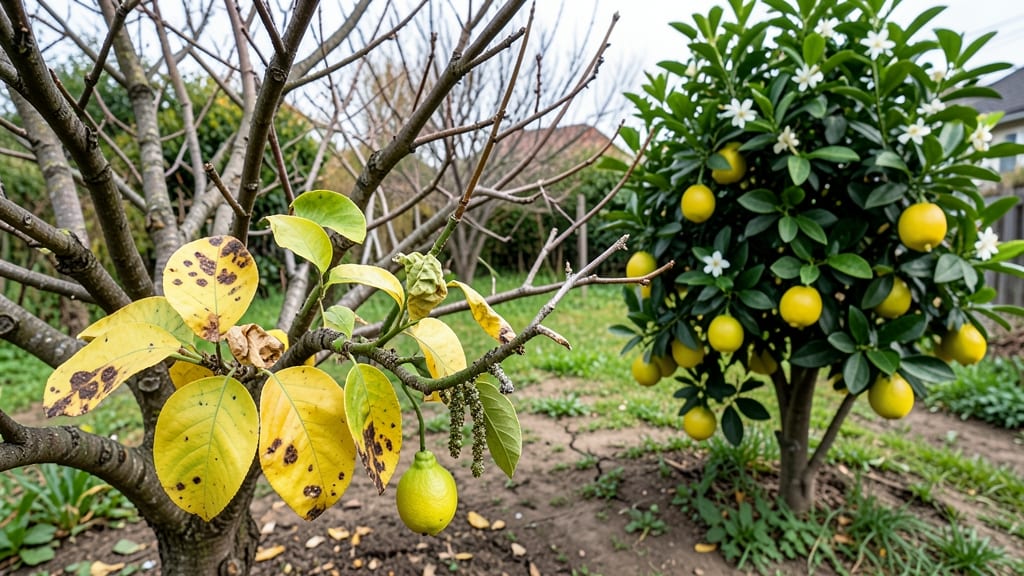
Seeing your citrus fruit tree problems with dropped fruit before ripening? That heartbreak happens more often than you'd think, and it's usually one of five fixable issues.
I've nursed back trees with yellowing leaves, sticky sap, and fruit that never quite sweetened—here's how to diagnose and reverse the damage without harsh chemicals. The culprits range from aphid infestations hiding on new growth to citrus canker creating oozing sores, plus nutrient imbalances that show up as blotchy leaves.
Most problems start small: a single scale insect or a single leaf with brown spots. Catching them early means your tree stays productive for years instead of struggling through one bad season.
You'll learn to spot the difference between magnesium deficiency (yellow between veins) and root rot (mushy stems), plus the organic sprays that actually work. My lemon tree went from looking dead to producing 50 fruits in six months after just two treatments—no fancy tools needed.
This works for lemons, limes, oranges, and grapefruits, whether you're growing in pots or in-ground. Let's get your tree back to thriving!
Root Causes Behind Citrus Tree Struggles
Citrus trees are resilient, but even the hardiest varieties can fall victim to stress when environmental or biological factors align. Understanding the why behind common citrus tree problems is the first step to prevention—and recovery.
Below, we break down the science behind the most frequent culprits, from soil chemistry to pest behavior.
Citrus trees thrive in well-draining, slightly acidic to neutral soil (pH 6.0–7.0). When soil fails to meet these needs, problems like nutrient deficiencies, root rot, or stunted growth follow.
- Compacted or Waterlogged Soil: Heavy clay soils trap excess moisture, suffocating roots and promoting fungal diseases like Phytophthora.
Citrus roots need oxygen—when soil stays soggy, they drown. - Why it matters: Roots can’t absorb water or nutrients efficiently, leading to yellowing leaves (chlorosis) or leaf drop.
- Nutrient Imbalances: Over-fertilization with synthetic nitrogen (especially ammonium-based) can burn roots, while micronutrient deficiencies (e.g., zinc, iron, manganese) cause yellowing between leaf veins.
- Citrus-specific issue: High soil salinity (from over-irrigation with tap water or poor drainage) stresses trees by disrupting cellular processes.
- pH Imbalances: Soil pH affects nutrient availability. Too acidic (pH <5.5) locks out phosphorus and calcium, while too alkaline (pH >7.5) reduces iron and manganese uptake, leading to yellowing leaves even if soil looks fertile.
Citrus trees are tropical at heart but can adapt to mild climates. Push them too far, and they’ll show it through leaf scorch, fruit drop, or dieback.
- Extreme Temperatures: - Cold Damage: Frost or temperatures below 28°F (-2°C) can kill citrus trees outright.
Cells rupture when ice forms, and the tree’s vascular system clogs, preventing water flow. - Heat Stress: While citrus loves warmth, prolonged heatwaves above 95°F (35°C) increase water loss through transpiration. If roots can’t keep up, leaves wilt or develop sunburn (brown, crispy patches).
- Wind and Physical Trauma:
- Windburn: High winds dry out leaves faster than roots can replenish moisture, leading to brown, papery edges (similar to heat stress).
- Mechanical Injury: Pruning cuts too close to the trunk or rough handling can create entry points for bacterial or fungal infections (e.g., Xanthomonas or Botryosphaeria).
Citrus trees are a buffet for pests and pathogens, each with a specific trigger for infestation or infection.
- Scale Insects and Mealybugs: - Why they strike: These sap-sucking pests thrive in hot, dry conditions and weak trees (stressed by drought or poor nutrition).
They excrete honeydew, a sticky residue that attracts sooty mold—a black fungal growth that blocks sunlight. - Citrus reaction: Infested trees produce small, deformed fruit and drop leaves prematurely.
- Citrus Canker (Xanthomonas citri): - The trigger: This bacterial disease spreads via wind, rain, or contaminated pruning tools.
Warm, humid conditions (75–90°F / 24–32°C) and wounded bark (from pruning or hail) create ideal conditions for infection. - Tree response: Oozing, raised lesions on leaves, stems, and fruit—eventually causing premature fruit drop.
- Root-Knot Nematodes:
- How they invade: These microscopic worms thrive in warm, moist soil and penetrate roots, forming galls (swollen, knobby growths) that disrupt water and nutrient flow.
- Visible signs: Stunted growth, yellowing leaves, and poor fruit set—often mistaken for drought stress.
Citrus trees are drought-tolerant but hate inconsistency. Overwatering or underwatering both trigger problems.
- Overwatering:
- The science: Excess water displaces oxygen in the soil, leading to anaerobic conditions where roots can’t respire. Fungi like Phytophthora and Pythium exploit this, causing root rot.
- Tell-tale signs: Mushy, black roots; wilting despite wet soil; and sudden leaf yellowing.
- Underwatering: - The stress response: Citrus trees conserve water by dropping leaves and abscising fruit.
Prolonged drought causes leaf curl (a protective mechanism to reduce water loss) and small, bitter fruit. - Critical threshold: Most citrus need 1–1.5 inches of water per week (more in containers or sandy soil).
Improper pruning or neglect can turn a healthy tree into a disease magnet.
- Incorrect Pruning Cuts:
- Why it backfires: Cutting too close to the trunk (within 1/4 inch of the branch collar) fails to seal the wound properly, inviting bacterial infections or canker.
- Best practice: Prune during dormant season (late winter) and use sterilized tools to prevent spreading pathogens.
- Over-Pruning:
- The shock factor: Removing too much foliage at once reduces the tree’s ability to photosynthesize, weakening it and making it susceptible to sunburn or pest attacks.
- Rule of thumb: Never remove more than 20–25% of the canopy in a single session.
- Neglected Fungicide Applications:
- Prevention gap: Skipping preventative sprays (especially in humid climates) allows spread of diseases like greasy spot (Mycosphaerella), which thrives in wet foliage and causes yellow spots with purple borders.
Fixing Citrus Tree Troubles Naturally
Now that you know the root causes of common citrus fruit tree problems, let’s roll up our sleeves and get to work! These organic solutions are simple, effective, and will have your tree thriving in no time.
Remember, prevention is key—so we’ll include easy tips to keep issues from popping up again.
Cause: Nutrient deficiency, overwatering, or fungal issues. Fix:
- 🌱 Boost nutrients: Apply a balanced organic fertilizer (like fish emulsion or compost tea) every 4–6 weeks during growing season. For iron deficiency (common in citrus), use chelated iron or a foliar spray.
- 💧 Adjust watering: Let the top 2–3 inches of soil dry out between waterings. Yellowing from overwatering? Improve drainage by adding sand or perlite to the soil.
- 🍄 Fight fungus: Spray leaves with a baking soda solution (1 tbsp baking soda + 1 quart water + a drop of dish soap) or neem oil (1 tsp per quart of water) weekly until leaves green up.
💡 Prevention Tip: Mulch with wood chips or straw to retain moisture without suffocating roots. Test soil pH—citrus loves 6.0–7.0.
Cause: Aphids, scale, mites, or citrus leaf miners sucking the life out of your tree. Fix:
- 🚿 Blast them off: Spray pests with a strong stream of water to dislodge them. Repeat every few days.
- 🌿 Natural repellents: Mix 1 tsp neem oil + 1 tsp insecticidal soap + 1 quart water and spray directly on pests (avoid blooms). For scale, dab rubbing alcohol (70% isopropyl) on infested areas with a cotton swab.
- 🐝 Encourage predators: Ladybugs and lacewings love eating aphids. Attract them with dill or fennel plants nearby.
💡 Prevention Tip: Prune regularly to remove infested branches. Wrap the trunk with aluminum foil (18–24 inches up) to trap crawling pests like ants (which farm scale insects).
Cause: Overcrowded branches, poor pollination, or lack of sunlight. Fix:
- ✂️ Prune for airflow: Remove 1/3 of dense branches in late winter/early spring. Aim for an open vase shape to let sunlight and air circulate.
- ☀️ Maximize sunlight: Citrus needs 6–8+ hours of sun daily. Thin nearby shade trees or relocate the tree if possible.
- 🐝 Hand-pollinate (if needed): Gently shake branches during bloom time to help pollen spread. Or, use a soft paintbrush to transfer pollen between flowers.
💡 Prevention Tip: Fertilize with nitrogen (like blood meal) in early spring to boost leafy growth, then switch to potassium-rich fertilizer (like banana peel tea) when fruits form for sweeter taste.
Cause: Temperatures below 28°F (-2°C) can scorch leaves or kill branches. Fix:
- 🔥 Cover young trees: Wrap the trunk and branches with burlap or frost cloth and drape a lightweight blanket over the canopy. Secure with clips to avoid crushing.
- 💧 Water deeply before frost: Moist soil holds heat better. Add a 2–3 inch layer of mulch around the base for insulation.
- 🌿 Choose cold-hardy varieties: If frost is frequent, opt for ‘Satsuma’ mandarins or ‘Improved Meyer’ lemons, which tolerate 20–25°F (-6 to -4°C).
💡 Prevention Tip: Plant citrus in south-facing spots near a wall or fence to absorb daytime heat. Avoid low-lying areas where cold air settles.
Cause: Disease (like citrus canker), root rot, or physical damage. Fix:
- ⚰️ Prune dead wood: Use sterilized pruners to cut 6 inches below the affected area. Seal larger cuts with pruning sealant (optional for small trees).
- 🌱 Replant if roots are rotten: Dig up the tree, inspect roots for black/mushy spots, and replant in well-draining soil with compost.
- 🛡️ Prevent canker: Spray with copper fungicide (like Bordeaux mixture) every 2–3 weeks during rainy seasons.
💡 Prevention Tip: Disinfect tools with rubbing alcohol between cuts to prevent spreading disease. Avoid overhead watering to keep leaves dry.
🎯 Pro Tip: Keep a citrus care journal! Note when you fertilize, prune, or spot pests—patterns will help you act faster next time. Happy growing! 🌿
Frequently asked questions
Why are my citrus leaves turning yellow between the veins?
This is often a sign of iron deficiency (chlorosis), common in alkaline soils. Citrus trees need chelated iron or a foliar spray to absorb it properly. Test your soil pH—aim for 6.0–7.0. If your tree is in a pot, repot with acidic, well-draining soil and water with citrus-specific fertilizer every 4–6 weeks.
How do I tell if my citrus tree has root rot or just needs more water?
Root rot causes mushy, black roots and wilting despite wet soil, while thirsty trees have dry soil and crispy leaf edges. Stick your finger 2–3 inches deep—if dry, water deeply. If roots smell foul or look rotten, prune affected roots and replant in fresh, well-draining soil. Overwatering is the #1 cause of root rot in citrus!
What should I do if my citrus fruit is dropping before ripening?
This usually means stress—check for underwatering, pests (like aphids), or nutrient deficiencies. Water consistently (1–1.5 inches per week) and fertilize with potassium-rich compost. If fruit is small and deformed, scale insects may be sucking sap. Spray with neem oil or insecticidal soap to protect developing fruit.
Can I save my citrus tree if it’s been infested with scale insects for months?
Yes! Start by pruning heavily infested branches and wiping them with a 70% isopropyl alcohol solution. Apply horticultural oil (like neem oil) every 7–10 days for 3 weeks to smother eggs. Introduce ladybugs or lacewings as natural predators. Severe cases may need systemic insecticide, but organic methods work for most home gardens.
How cold can my citrus tree tolerate before it dies?
Most citrus varieties die when temperatures drop below 28°F (-2°C), but ‘Satsuma’ mandarins and ‘Improved Meyer’ lemons survive down to 20–25°F (-6 to -4°C). For protection, wrap the trunk in burlap, cover with frost cloth, and mulch heavily. Avoid overhead watering before frost—wet leaves freeze faster.