
Pruning
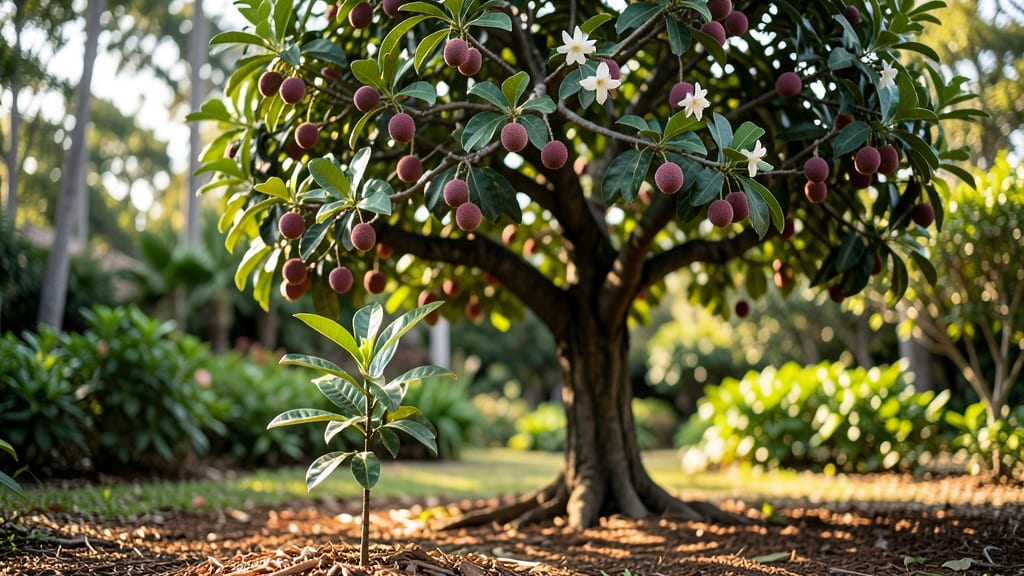
Controlling the lychee tree height is easier than you think—wild varieties can soar to 30-50 feet, but with strategic pruning, you can keep yours at a manageable 6-10 feet, ideal for small gardens. 🌿 I learned this the hard way after my first tree shot up like a jungle giant in just three years.
The key isn’t just cutting branches; it’s understanding when and how to shape the tree so it stays manageable without sacrificing fruit production.
Pruning works best when you start young—training a lychee tree from a sapling ensures it grows bushier rather than lanky. In warmer climates like Zones 10-12, you can prune year-round, but most gardeners focus on late winter or early spring before new growth begins.
Use sharp pruners to make clean cuts just above a leaf node, and avoid over-pruning, which stresses the tree.
With consistent pruning, your lychee tree won’t just stay compact—it’ll produce more fruit per square foot than an unpruned giant. The first year after pruning, you might see fewer fruits, but by year two, the tree rebounds with heavy, sweet harvests.
Plus, a well-pruned tree looks like a manicured bonsai rather than an unruly shrub.
For container growing, stick to dwarf varieties like ‘Brewer’ or ‘Wai Chee,’ which max out around 8 feet with proper care. Just ensure the pot is at least 15-20 gallons and use well-draining soil mixed with compost.
Whether in ground or container, lychees thrive in full sun (6+ hours daily) and humid climates, making them a tropical dream for patient gardeners.
📚 In This Guide
- What you need
- Instructions
- Tips and common mistakes
- Wrapping up and next steps
What you need
- ● Lychee Tree Sapling: Choose a dwarf or semi-dwarf variety (e.g., 'Groff' or 'Brewster') to naturally limit lychee tree height (typically 15–25 ft tall with pruning). Ensure it’s disease-free and well-rooted.
- ● Well-Draining Soil: Mix 60% topsoil, 20% compost, and 20% perlite or coarse sand for optimal drainage. Lychee trees hate soggy roots!
- ● Pruning Tools: Bypass pruners (for small branches, ≤ ½ inch thick)
- ● Loppers (for medium branches, ½–1½ inches thick)
- ● Pruning saw (for thick branches, ≥ 1½ inches)
- ● Disinfectant: 70% isopropyl alcohol or a 10% bleach solution (1 part bleach to 9 parts water) to sterilize tools and cuts.
- ● Support Stakes: 3–4 wooden or bamboo stakes (5–6 ft tall) and soft garden twine for young trees.
- ● Mulch: 2–3 inches of organic mulch (wood chips or straw) to retain moisture and regulate soil temperature.
- ● Growth Regulator: A diluted hormone-free rooting powder (e.g., willow water) to encourage bushier growth after pruning.
- ● Tree Guard: A 4–5 ft tall plastic or metal tree collar to protect the trunk from sunburn and pests.
- ● pH Test Kit: To monitor soil acidity (lychees thrive in pH 5.5–6.5). Adjust with sulfur or lime if needed.
- ● Slow-Release Fertilizer: Balanced 10-10-10 or citrus-specific fertilizer (apply 2–3 times/year).
Step-by-Step guide to pruning lychee trees for compact growth
Here’s how to keep your lychee tree manageable while encouraging strong fruit production—no matter how limited your space.
✂️ Step 1: Assess the Tree’s Structure and Growth Habits
Start by examining your lychee tree’s current height and branching pattern. Lychees naturally grow 10-20 feet tall, but with strategic pruning, you can maintain a 6-8 foot height in containers or small gardens. Look for the main trunk, primary branches, and secondary growth—these are your targets for shaping.
Focus on removing crossing branches (where limbs rub together) and suckers (shoots growing from the trunk or roots). These compete for nutrients and weaken the tree’s structure. Use sharp, clean pruning shears to make cuts just above a leaf node or outward-facing bud—this encourages healthier regrowth.
✂️ Step 2: Prune for Height Control and Airflow
To control height, target the topmost branches first. Cut back the uppermost 12-18 inches of the tree’s central leader, which forces energy into lateral branches below. This technique, called tip pruning, reduces vertical growth while promoting a bushier, more compact shape.
Next, thin out overcrowded branches to improve airflow and sunlight penetration. Aim for a well-spaced canopy where light reaches the inner leaves—this prevents disease and ensures even fruit development. If a branch is thicker than your thumb, it’s likely too large to remove entirely; instead, shorten it by 20-30% to reduce its dominance.
🌿 Step 3: Encourage Fruit-Bearing Branches
Lychee trees produce fruit on new growth, so prune to stimulate vigorous, healthy shoots. After the tree flowers (typically in spring or early summer), remove any weak or spindly branches—these won’t support fruit well. Keep strong, outward-facing branches that angle 45-60 degrees from the trunk; these will bear the most fruit.
If your tree has long, leggy branches, cut them back by half their length to encourage bushier regrowth. Avoid heavy pruning in fall or winter, as lychees are sensitive to cold stress. Instead, focus on light shaping prunes during late winter or early spring before new growth begins.
⏰ Step 4: Maintain Year-Round with Seasonal Adjustments
After the initial pruning, monitor your tree’s growth and adjust as needed. In summer, remove any suckers that emerge from the trunk or roots—these drain energy from the main structure. In fall, do minimal pruning unless you notice dead or diseased branches, which should be cut back to healthy wood immediately.
Water deeply after pruning to help the tree recover, and apply a balanced fertilizer (like 10-10-10) to support new growth. If your lychee is in a container, prune more aggressively to prevent root-bound stress, but avoid over-pruning—you want to balance size control with fruit production.
🌱 Step 5: Watch for Regrowth and Adjust
Within 4-6 weeks, you’ll see new shoots emerging from the pruned areas. These indicate the tree is responding well. If regrowth is too sparse, your cuts may have been too severe—next time, leave slightly more branch length. If growth is too vigorous, prune back again in early summer to maintain shape.
Over time, your lychee tree will develop a compact, fruit-bearing structure that fits small gardens or containers. Keep an eye on branch angles—ideal branches should be open and upward-facing, allowing sunlight to reach all parts of the canopy. With consistent pruning, you’ll enjoy a manageable tree that still produces abundant fruit.
Tips & tricks for pruning lychee trees to control height
Here’s what I’ve learned after years of shaping lychee trees—these tricks make all the difference between a wild, unruly specimen and a perfectly proportioned fruit producer.
Timing is Everything: The instructions mention pruning in late winter or early spring, and I can’t stress this enough—this timing capitalizes on the tree’s natural dormancy period. Pruning during this window minimizes stress and allows the tree to focus energy on new growth rather than healing wounds. If you must prune outside this window, avoid heavy cuts during flowering (spring) or extreme cold (winter).
The 45-Degree Rule: When selecting branches to keep in Step 3, focus on those forming a 45-60 degree angle from the trunk. These branches naturally bear more fruit and create an open canopy for better airflow. I’ve found that branches growing straight up or down often produce fewer fruits and create dense, shaded areas that invite disease. Use a small mirror to check angles on hard-to-see branches.
Pruning Shears Matter: The instructions specify using clean pruning shears, but I’ll add that the type matters too. For lychee trees, I recommend bypass pruners with a 6-8 inch blade—they make cleaner cuts that heal faster. Avoid anvil pruners, which crush stems and can introduce disease. Always sterilize your tools with rubbing alcohol between cuts to prevent bacterial spread, especially when working with larger branches.
Container-Specific Adjustments: If your lychee is in a container, the instructions suggest pruning more aggressively to prevent root-bound stress. I’ve had success with a technique called root pruning—gently loosen the root ball and trim any circling roots by about 10-15% before repotting. This encourages outward root growth and complements your above-ground pruning efforts. Just be sure to water thoroughly after repotting to reduce shock.
Pro Tips for Lychee Tree Height
- Here’s what I’ve learned after years of shaping lychee trees—these tricks make all the difference between a wild, unruly specimen and a perfectly proportioned fruit producer.
- Timing is Everything: The instructions mention pruning in late winter or early spring, and I can’t stress this enough—this timing capitalizes on the tree’s natural dormancy period.
- The 45-Degree Rule: When selecting branches to keep in Step 3, focus on those forming a 45-60 degree angle from the trunk.
Frequently asked questions
Got questions about managing your lychee tree’s height?
Here are some of the most common concerns—and practical answers—to help you keep your tree lush, manageable, and thriving in any space.
How tall can a lychee tree grow if left unpruned?
A mature lychee tree (Litchi chinensis) can reach 50–70 feet tall in tropical climates, with a spread of 30–50 feet. In containers or small gardens, growth is slower but can still exceed 20 feet without pruning. Pro tip: Regular pruning keeps it under 10–15 feet for easier fruit harvesting and garden integration!
When is the best time to prune a lychee tree for height control?
Prune late winter or early spring (just before new growth starts) to avoid removing flower buds. Avoid heavy pruning in summer, as it stresses the tree. For container-grown trees, light trimming after harvest (fall/winter) also works. Never prune during flowering or fruiting!
Can I prune a young lychee tree aggressively to keep it short?
Young trees (under 3 years) are more resilient to pruning, but avoid cutting more than 25–30% of the canopy at once. Focus on removing water sprouts (slim, vertical shoots) and shaping the tree. Over-pruning can delay fruiting. Goal: Encourage a bushy, multi-stemmed structure for stability.
What if my lychee tree isn’t growing taller despite pruning?
Slow height growth may signal root-bound conditions, poor soil, or lack of sunlight. Check for:
- Root space: Repot if in a container (up to 20–30 gallons for mature trees).
- Soil: Ensure well-draining, slightly acidic soil (pH 5.5–6.5).
- Sunlight: Lychees need 6+ hours of direct sun daily.
- Fertilizer: Use a balanced citrus/lychee fertilizer in spring.
Are there dwarf lychee tree varieties that stay under 6 feet?
No true "dwarf" lychee varieties exist, but some grafted selections (like ‘Brewer’ or ‘Mauritius’ rootstocks) stay more compact. For small spaces, consider:
- Container training: Prune aggressively and use topiary techniques.
- Espalier method: Train branches flat against a wall or trellis.
- Dwarf citrus rootstocks: Some growers graft lychee scions onto trifoliate orange rootstock for slower growth.
Wrapping up and next steps
Growing a lychee tree in a small garden is totally doable with the right pruning techniques! Remember, height control starts early—regular trimming, proper spacing, and selective pruning will keep your tree lush and manageable.
Whether you’re aiming for a dwarf variety or shaping a standard tree, consistency is key to avoiding overgrowth and ensuring those sweet, fragrant fruits. 🌱
Ready to take the next step? Start small—pick a sunny spot, gather your tools, and begin pruning with confidence. With patience and care, your compact lychee tree will thrive, rewarding you with delicious harvests for years to come! Happy pruning! ✂️