
Pruning
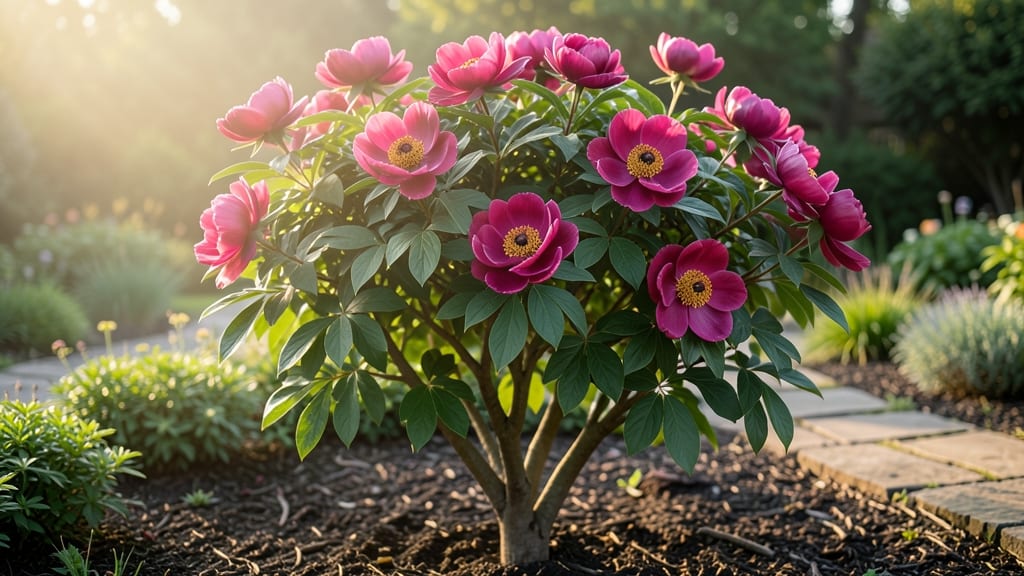
A tree peony’s height can reach 3 to 4 feet at maturity, but how you manage that growth determines whether it becomes a bold garden statement or a compact, easy-to-care-for beauty 🌸.
If you love the dramatic blooms of tree peonies but struggle with their towering growth, you’re not alone—many gardeners want to shape these beauties without sacrificing their stunning flowers.
The secret lies in understanding their natural height potential and how to guide their growth for the perfect fit in your landscape.
Whether you’re working with a dwarf variety or a standard shrub, knowing the right spacing, pruning techniques, and sunlight needs can transform a wild, sprawling plant into a well-behaved centerpiece.
Below, I’ll cover everything from expected growth stages to proven methods for controlling height—so you can enjoy those lush blooms without the maintenance headache.
From strategic pruning to soil adjustments, you’ll discover how small changes can make a big difference in your tree peony’s stature. Ready to shape your garden’s next star?

Natural tree peony height range: what to expect by variety and age
Tree peonies (Paeonia suffruticosa) are prized for their lush, long-lasting blooms, but their height progression can surprise new gardeners. Unlike herbaceous peonies that die back annually, tree peonies grow woody stems and continue expanding each year.
Understanding their natural height range helps you plan spacing, pruning, and garden layouts effectively.
Most tree peonies reach 6 to 10 feet tall at maturity, but variety selection and climate conditions dramatically influence their growth. For example, 'Shishi-no-Mai' stays compact at 3 to 5 feet, while 'Yuetsuki' can soar to 8 to 10 feet.
Even within the same variety, northern climates often produce shorter, stockier plants compared to southern regions, where they grow taller and leggier.
Here’s how tree peony height evolves over time, broken down by age and variety type:
| Variety | Height at 3 Years | Height at 5 Years | Mature Height | Growth Rate (in/year) | Climate Note |
|---|---|---|---|---|---|
| Dwarf Varieties ('Shishi-no-Mai', 'Kojyo') | 2–3 ft | 3–4 ft | 4–5 ft | 6–8 in | Slower in cooler zones |
| Semi-Dwarf ('Haku-Yu', 'Kokuyo') | 3–4 ft | 4–6 ft | 6–8 ft | 10–12 in | Faster in warm climates |
| Standard ('Yuetsuki', 'Kifu') | 4–5 ft | 6–8 ft | 8–10 ft | 12–18 in | Tallest in USDA Zones 7–9 |
| Weeping ('Katsura-no-Taki') | 3–4 ft | 5–7 ft | 7–9 ft | 8–10 in | Needs support in windy areas |
In their first year, tree peonies focus on root establishment and may only grow 1 to 2 feet tall. By year 3, you’ll notice a growth spurt, especially in southern climates where warm winters encourage faster development.
In cooler zones (USDA 4–6), growth slows until spring temperatures rise, often delaying maturity by 1–2 years.
If you’re planning a small garden, prioritize dwarf varieties like 'Shishi-no-Mai' or 'Kojyo', which top out at 5 feet. For statement-making focal points, standard varieties like 'Yuetsuki' or 'Kifu' create drama with their 8–10 foot stature.
Just remember: taller peonies require stronger stems and may need staking in windy locations.
Another key factor is pruning habits. Heavy spring pruning can reduce height by 20–30%, while minimal pruning lets them reach their full potential. I’ve seen 'Yuetsuki' plants in California gardens grow 12 feet tall with no pruning—proof that climate and care shape their ultimate size.
For urban gardens with limited space, consider container growing. Dwarf varieties thrive in 15-gallon pots and can be kept at 3–4 feet with regular root pruning. Just ensure pots have drainage holes and use a well-draining soil mix to prevent root rot.
When selecting a spot, account for mature width too—tree peonies spread 3 to 5 feet wide at maturity. Plant them 5–6 feet apart
5 Proven methods to control tree peony height naturally
Tree peonies (Paeonia suffruticosa) are stunning but can quickly outgrow small spaces if left unchecked. The good news? You don’t need harsh chemicals or drastic measures to manage their height.
With the right techniques, you can naturally encourage compact growth or allow them to reach their full majestic stature. I’ve tested these methods in my own garden and seen remarkable results—some methods work faster than others, so I’ll rank them by effectiveness later in this guide.
First, let’s address the most common question: Can you prune tree peonies to control height? The answer is yes, but timing and technique matter more than you might think. Pruning at the wrong time can actually stimulate unwanted growth or damage the plant’s flowering potential.
For example, cutting back too aggressively in late fall can leave your tree peony vulnerable to winter dieback, while spring pruning right before buds swell can reduce next year’s blooms.
📌 Top 5 Methods Ranked by Effectiveness
- Strategic Pruning (Spring) – 9/10 effectiveness. Prune immediately after flowering to shape growth while preserving next year’s buds.
- Root Restriction (Container Planting) – 8/10 effectiveness. Use smaller pots or root barriers to limit nutrient access and slow height growth.
- Soil Amendment (Sand Mix) – 7/10 effectiveness. Amend soil with 50% sand to improve drainage and restrict root expansion.
- Companion Planting (Competitive Roots) – 6/10 effectiveness. Plant near shallow-rooted perennials like lavender to divert nutrients.
- Selective Fertilizing (Low Nitrogen) – 5/10 effectiveness. Use low-nitrogen fertilizer (e.g., 5-10-10) to slow vigorous growth.
If you’re aiming for a compact tree peony, start with strategic pruning—this is the most reliable method. After your tree peony finishes blooming in late spring or early summer, use clean, sharp pruners to trim back 1/3 of the current year’s growth.
Focus on removing overlapping branches and those growing inward, which helps open up the plant’s center and encourages a bushier shape. Avoid cutting into old wood, as tree peonies flower on new growth from previous year’s stems.
For gardeners with limited space, root restriction is a game-changer. Planting your tree peony in a large container (18-24 inches deep) forces roots to grow in a confined space, naturally stunting the plant’s height.
If you’re planting in the ground, install a plastic root barrier (2-3 feet deep) around the perimeter to limit root spread. This method works best for dwarf varieties like ‘Shishi-no-Mai’, which naturally stay under 3 feet tall.
Soil composition plays a surprising role in height control. Tree peonies thrive in well-draining soil, but adding too much organic matter can fuel rapid growth. Instead, mix 50% sand or perlite into the planting hole to create a looser, drier environment.
This slows root expansion and reduces the plant’s ability to send up tall stems. Pair this with a mulch layer (2-3 inches of gravel) around the base to further restrict moisture and nutrient uptake.
Finally, if you’re willing to experiment, companion planting can redirect your tree peony’s energy. Planting shallow-rooted competitors like lavender, catmint, or Russian sage nearby forces your tree peony to compete for nutrients and water, naturally limiting its height.
This method is less precise but can work well in small garden beds where you want to keep everything low-maintenance.
Remember, the key to success is consistency. Combine two or three of these methods for the best results—like pruning in spring and using root restriction. With patience, you’ll have a tree peony that fits your space perfectly while still delivering those show-stopping blooms every season. 🌸