
Pruning
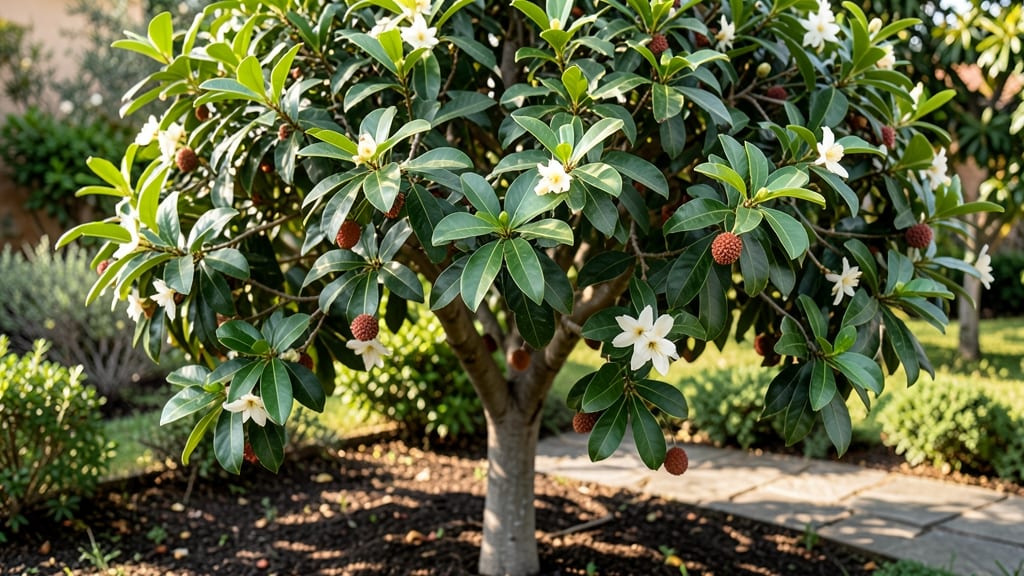
Growing lychee trees in California means year-round sunshine and just enough rain to coax sweet, fragrant fruit—but frost sensitivity and humidity needs make it tricky. 🌱 I’ve grown these tropical gems for five seasons, and the key is mimicking their native climate while working with California’s microclimates.
The right pruning schedule keeps them productive and healthy, even when coastal fog meets inland heat.
Start with a frost-free spot—coastal areas or inland valleys with mild winters work best. Lychees demand well-draining soil (think sandy loam mixed with compost) and hate soggy roots. Plant in spring after the last frost, spacing trees 20-30 feet apart to allow airflow and future growth.
Humidity is the real challenge here, so mulch heavily and consider a drip irrigation system to keep roots consistently moist without waterlogging.
Pruning isn’t just about shaping—it’s about fruit production. In late winter, remove dead or crossing branches, then do a light summer trim to improve airflow. The payoff? A tree that bursts with hundreds of fragrant pink flowers in spring, followed by sweet, juicy fruit by late summer.
With patience, your lychee will reward you with harvests for decades.
California’s diverse climates mean adjustments: coastal growers may need wind protection, while inland gardeners should watch for summer heat stress. But with the right site and care, you’ll be enjoying lychees straight from your own tree—no grocery store in sight. Let’s get those branches pruned right!
📚 In This Guide
- What you need
- Instructions
- Tips and common mistakes
- Wrapping up and next steps
What you need
- ● Lychee Tree Sapling: 1–2 dwarf or semi-dwarf varieties (e.g., ‘Brewer,’ ‘Wai Chee,’ or ‘Kwai Mai Pink’) for container or small yards
- ● 1 standard-sized sapling (5–6 feet tall) for in-ground planting
- ● Well-Draining Soil Mix: 50% cactus/succulent mix (for containers)
- ● 30% compost (homemade or store-bought)
- ● 20% perlite or pumice (for aeration)
- ● Container (if not planting in-ground): 1 large pot (minimum 20–24 inches in diameter and 2 feet deep for dwarf varieties)
- ● Drainage holes + saucer (to prevent root rot)
- ● Pruning Tools: 1 pair bypass pruners (for small branches)
- ● 1 pruning saw (for thicker branches)
- ● 1 sterilizing solution (70% isopropyl alcohol or bleach water)
- ● Fertilizer: 1 balanced citrus/lychee fertilizer (e.g., 6-6-6 or 8-3-9 NPK ratio)
- ● 1 slow-release granular fertilizer (for seasonal feeding)
- ● Mulch: 2–3 inches of orgánico mulch (wood chips, straw, or pine bark)
- ● Watering Supplies: 1 drip irrigation system or soaker hose (for deep watering)
- ○ 1 moisture meter (optional but helpful for containers)
- ● 1 shade cloth (30–50%) for young trees in hot California summers
- ● 1 humidifier or pebble tray (to mimic tropical humidity)
- ● 1 tree support stake (for windy areas)
- ● 1 fruit thinning shears (to manage overproduction)
- ● 1 pH test kit (ideal soil pH: 5.0–6.5)
Step-by-Step instructions for year-round lychee tree pruning
Here’s how I keep my California lychee trees thriving—and loaded with fruit—through every season.
✂️ Step 1: Winter Pruning (Late January–February)
This is the most critical pruning time. Lychees bloom on new wood, so we remove last year’s fruited branches to redirect energy into fresh, vigorous growth. Start by cutting back dead, diseased, or crossing branches—these compete with fruit production and invite pests. Use clean, sharp pruners to make cuts just above outward-facing buds.
Focus on the scaffold branches (main structural limbs) and thin out any that grow inward. You’ll notice the tree’s natural shape emerge—lychees grow best with an open canopy that lets sunlight reach all fruit. After pruning, apply a copper fungicide spray to prevent winter infections.
☀️ Step 2: Post-Bloom Thinning (May–June)
Once flowers appear, let them set for 2–3 weeks, then thin aggressively. Lychees produce more flowers than they can support, so we remove 70–80% of the fruit to ensure the remaining ones grow large and sweet. Use your fingers to gently twist off small clusters, leaving only 1–2 fruit per spur (short branch segment).
This step is brutal but essential—overloaded branches break under fruit weight, and small fruit stays tart. Watch for wind damage after thinning; stake any wobbly branches if needed. Water deeply right after pruning to help the tree recover.
🌿 Step 3: Summer Light Pruning (July–August)
California’s summer heat stresses lychee trees, so we do light maintenance pruning to improve airflow. Remove any suckers (shoots growing from the base or trunk) immediately—they drain energy from fruit production. Trim back overly vigorous shoots that shade the canopy’s center, but avoid heavy cuts this time of year.
Look for leaf curl or yellowing—signs of heat stress or pests. Spray with neem oil if you spot aphids or scale. Mulch the base with 2–3 inches of wood chips to retain moisture and regulate soil temperature.
🪴 Step 4: Fall Cleanup (October–November)
As temperatures drop, lychees enter dormancy, so we tidy up for winter. Remove all fallen leaves and fruit from the base to prevent fungal buildup. Prune out weak or spindly growth that didn’t fruit well this year—these branches won’t bear next season. Cut back any water sprouts (fast-growing, vertical shoots) to encourage bushier growth.
Apply a balanced fertilizer (like 8-8-8) around the drip line, but not too close to the trunk. Water deeply one last time before rains begin, then let the tree rest. This final pruning sets the stage for next year’s bloom.
⏰ Step 5: Year-Round Monitoring
Lychees in California need constant attention—especially to water and pests. Check the tree weekly for signs of stress: drooping leaves (underwatering), brown tips (overwatering or salt buildup), or holes in leaves (pests). Adjust your watering schedule based on soil dryness—lychees hate soggy roots but need deep, infrequent watering during dry spells.
Here’s the thing—lychees hate wind. If your tree is in an exposed spot, install windbreaks (like burlap screens) during bloom time to prevent flower drop. A healthy lychee tree in California can produce fruit year-round with proper care—just stay consistent!
Tips & tricks for year-round lychee tree care
Keeping your California lychee tree productive takes patience—but these insights will help you avoid common pitfalls and maximize fruit production.
Pruning Precision: When removing branches in Step 1, always make cuts at a 45-degree angle just above an outward-facing bud. This encourages new growth in the right direction. I learned this the hard way after seeing branches grow inward and block sunlight—now I mark the buds with a pencil before cutting. The goal is an open canopy that lets light reach all parts of the tree, which is especially critical in California's intense sun.
Thinning Technique: During the brutal post-bloom thinning in Step 2, focus on leaving fruit spaced 6-8 inches apart along each branch. This spacing prevents overcrowding and ensures each remaining fruit gets proper sunlight and air circulation. I use my fingers to gently twist off clusters rather than cutting—this minimizes damage to the branch. Remember, you're not being cruel by removing 70-80% of the fruit; you're ensuring the remaining ones grow to their full sweet potential.
Seasonal Adjustments: California's microclimates vary dramatically, so adjust your timing slightly based on your location. In coastal areas, you might start winter pruning in early February when temperatures are milder. In inland valleys, late January works better to avoid late-season frost damage. The key is to prune when the tree is dormant but before new growth begins—this timing varies by just a few weeks depending on where you live.
Pest Prevention: After any pruning, especially in Step 1, clean up all fallen leaves and debris immediately. This prevents fungal diseases like anthracnose from taking hold in California's humid summers. I also recommend sterilizing your pruners with rubbing alcohol between cuts—this simple step can prevent spreading diseases from infected branches to healthy ones. The copper fungicide spray mentioned in Step 1 is your best defense against winter infections that could weaken the tree before bloom season.
Pro Tips for Lychee Tree California
- Keeping your California lychee tree productive takes patience—but these insights will help you avoid common pitfalls and maximize fruit production.
- Pruning Precision: When removing branches in Step 1, always make cuts at a 45-degree angle just above an outward-facing bud.
- Thinning Technique: During the brutal post-bloom thinning in Step 2, focus on leaving fruit spaced 6-8 inches apart along each branch.
Frequently asked questions
Got questions about growing lychee trees in California? You’re not alone! Here are some of the most common concerns—and their answers—to help you cultivate a thriving lychee tree in your backyard.
Can lychee trees survive California’s winters?
Lychee trees (Litchi chinensis) are tropical and not frost-hardy. In California’s cooler regions (like the Central Valley or coastal areas), grow them in containers or protected microclimates (e.g., near south-facing walls). In warmer zones (San Diego, Riverside), they can thrive outdoors year-round with mulch and windbreaks.
How long does it take for a lychee tree to bear fruit?
Patience is key! Lychee trees typically take 5–7 years to produce fruit from seed. Grafted trees (available at nurseries) may fruit in 3–4 years. During this time, focus on pruning for shape and consistent watering to encourage healthy growth.
What’s the best way to prune a lychee tree for fruit production?
Prune year-round in California’s mild climate, but prioritize these times:
- Spring (Feb–March): Remove dead/diseased branches and thin out crowded growth to improve airflow.
- Summer (June–August): Light pruning to shape the tree and encourage new shoots (future fruit-bearing wood).
- Avoid heavy pruning in fall/winter—it stresses the tree before flowering.
Why aren’t my lychee tree’s flowers turning into fruit?
Several factors could be at play:
- Pollination issues: Lychee flowers are self-pollinating, but bees help. If blooms drop without fruit, hand-pollinate with a soft brush.
- Temperature stress: Flowers drop if temps dip below 55°F or rise above 95°F during pollination.
- Nutrient deficiency: Yellow leaves? Boost potassium and phosphorus (use a balanced fruit-tree fertilizer).
- Immature tree: Trees under 5 years old may flower but not fruit. Be patient!
Are there lychee tree alternatives for colder California regions?
If lychees are too risky, try these frost-tolerant tropical-looking fruit trees:
- Loquat (Eriobotrya japonica): Thrives in USDA Zone 8+, produces sweet fruit in winter.
- Fig (Ficus carica): Hardy to Zone 7, drought-resistant, and prolific.
- Pomegranate (Punica granatum): Zones 7–11, drought-tolerant, and stunning flowers.
Wrapping up and next steps
Growing a lychee tree in California is a rewarding journey that combines patience, care, and a little tropical flair—even in our sunny state! 🌱 With the right pruning techniques, you’ll unlock year-round fruit production and a stunning landscape feature.
Whether you’re a seasoned gardener or just starting, remember: consistency is key, and your efforts will soon be sweetly rewarded.
Ready to take the next step? Start by observing your tree’s growth and scheduling your first pruning session in early spring. Need a refresher? Bookmark this guide or jot down notes on your tree’s unique needs—your future lychee harvest depends on it! 🍈✨