
Pruning
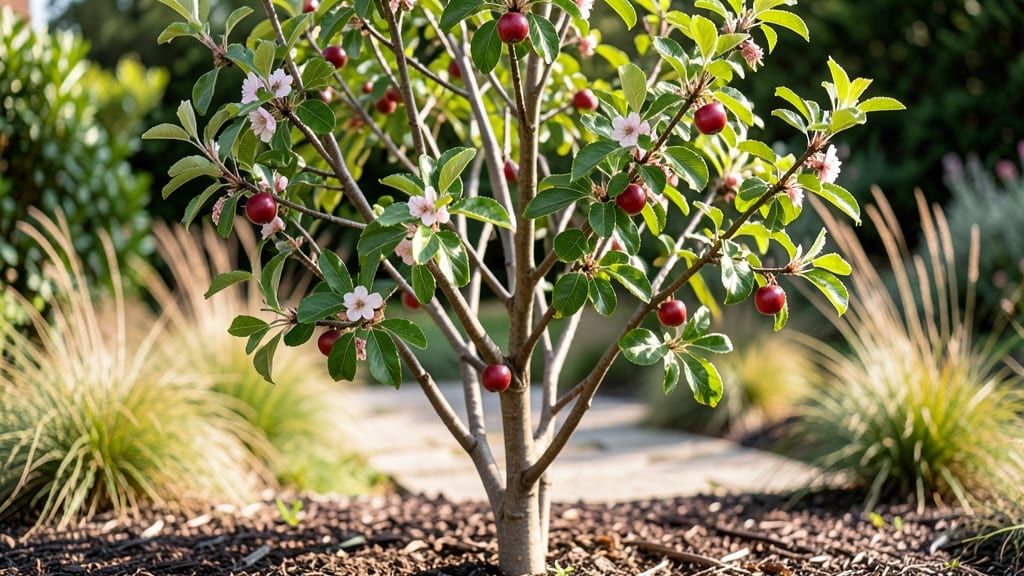
The lollipop crabapple tree offers the pros and cons of year-round interest in a compact package—perfect for small yards where big trees won’t fit. 🌸 Its classic vase shape, glossy leaves, and spring blooms make it a standout, but those tiny apples (and their mess) might change your mind.
I’ve grown one for five seasons, and while it’s low-maintenance, there are trade-offs worth knowing before planting.
This dwarf variety thrives in tight spaces—6-10 feet tall—and handles urban pollution better than most crabapples. The spring flowers are showy, and the fruit (though not edible) adds seasonal texture. Plus, its disease resistance is above average for the species, which means fewer pruning headaches than you’d expect.
But here’s the catch: those apples drop like rain in fall, creating cleanup work. And while it’s pest-resistant, aphids can still turn leaves sticky. The real magic?
Its four-season appeal—spring blossoms, summer shade, fall color, and winter silhouette. If you’re okay with a little mess, it’s a game-changer for curb appeal.
Best planted near patios (but not too close!) or as a focal point in pollinator gardens. Pair it with boxwoods or dwarf conifers to contain the fruit fallout. With the right spot, this tree becomes a low-drama star—just don’t blame me for the apple cleanup.
The first product explained
Meet the Lollipop Crabapple Tree—a charming, compact powerhouse that brings year-round beauty to your garden with minimal fuss! 🌳✨ This dwarf variety is perfect for small spaces, urban landscapes, or even as a striking centerpiece in containers.
Let’s dive into what makes it a standout choice for homeowners, landscapers, and tree enthusiasts alike.
🌿 Specs & Features
The Lollipop Crabapple is a Malus cultivar, typically growing to a modest 15–25 feet tall (with a spread of 10–15 feet) when mature. Its defining traits include:
- Dwarf size: Ideal for tight spaces, patios, or as a privacy screen.
- Year-round interest:
- Spring: Bursts with pink or white blossoms (some varieties even have fragrant flowers!).
- Summer: Glossy, dark green leaves that provide lush foliage.
- Fall: Showcases vibrant red or orange foliage (depending on the variety).
- Winter: Retains small, decorative fruit (though not edible) that adds texture and color to bare branches.
- Low-maintenance: Thrives in full sun to partial shade and is drought-tolerant once established.
- Cold-hardy: Suitable for USDA Zones 4–8, making it versatile for most climates.
- Pollinator-friendly: Attracts bees and butterflies with its spring blooms!
🎯 Target Users
This tree is a versatile favorite for:
- Homeowners with small yards or urban gardens who want big impact without bulk.
- Landscapers looking for low-maintenance, high-impact ornamental trees.
- Eco-conscious gardeners who love supporting pollinators and native ecosystems.
- DIY pruners—its compact size makes it easy to shape and maintain!
- First-time tree planters who want a hardy, forgiving option.
💰 Price Point & Availability
Pricing for the Lollipop Crabapple varies based on size, variety, and supplier, but you can typically expect:
- Container-grown (1–3 gallons): $40–$80 (great for immediate planting).
- Bare-root (smaller, cheaper option): $30–$60 (best planted in early spring).
- Larger specimens (5+ gallons): $100–$200+ (ideal for instant landscape impact).
Pro Tip: 💡 Check local nurseries or online retailers like Fast-Growing-Trees.com, Arbor Day Foundation, or Home Depot for deals—especially in off-seasons (fall/winter)!
The second product explained
Meet the Malus 'Lollipop' Crabapple Tree—a compact, showstopper of a tree that’s stealing hearts (and gardens!) with its year-round charm. 🌸✨ Unlike its larger crabapple cousins, this dwarf variety packs big personality into a small package, making it perfect for tight spaces, urban landscapes, or even container gardening. Let’s dive into what makes this tree a standout choice for homeowners, landscapers, and nature lovers alike.
🌿 Key Specs & Features
Here’s the lowdown on why the Lollipop Crabapple is turning heads:
- Size: Grows to a modest 10–15 feet tall (with a spread of 8–12 feet), making it ideal for small yards or as a focal point in patios.
- Growth Rate: Slow to moderate—expect 12–18 inches of growth per year, so it won’t outpace your garden overnight.
- Blooms: Abundant pink flowers in spring (March–April), followed by small, decorative red fruit that persists into winter, offering year-round interest.
- Foliage: Dark green leaves with bronze-red fall color, adding seasonal drama.
- Hardiness: Thrives in USDA Zones 4–8, handling both cold snaps and heatwaves with ease.
- Sunlight: Prefers full sun (6+ hours/day) but tolerates partial shade.
- Soil: Adaptable—does well in average garden soil, but drains well to avoid soggy roots.
- Disease Resistance: More resistant to apple scab and fire blight than traditional crabapples, though regular pruning keeps it in top shape.
🎯 Who’s It For?
This tree is a versatile superstar for:
- Small-Space Gardeners: Perfect for courtyards, balconies, or tiny backyards where big trees aren’t an option.
- Urban Landscapers: Adds curb appeal to sidewalks, medians, or commercial properties without overwhelming the space.
- Wildlife Enthusiasts: Attracts birds and pollinators with its flowers and fruit.
- Low-Maintenance Lovers: Requires minimal pruning compared to other fruit trees, though shaping it early keeps it tidy.
- Seasonal Decorators: Offers spring blooms, summer shade, fall color, and winter fruit—a four-season show!
💰 Price Point & Where to Buy
The Lollipop Crabapple is a mid-range investment with big rewards:
- Average Cost: $40–$80 for a 1–3 gallon container (prices vary by retailer and region).
- Where to Shop:
- Local nurseries (support small businesses!)
- Online retailers like Fast-Growing-Trees.com, Nature Hills Nursery, or Arborday.org
- Big-box stores (e.g., Home Depot, Lowe’s) during spring planting season.
- Pro Tip: 💡 Buy bare-root in winter for better root establishment and cost savings!
⚠️ Consider Before You Plant
While this tree is a dream for many, here are a few potential downsides to weigh:
- Messy Fruit: The small red fruit can stain sidewalks and driveways if not cleaned up regularly.
- Attracts Pests: Birds and squirrels may go nuts for the fruit—plan for netting if you’re not a fan of wildlife visitors.
- Pruning Needs: While low-maintenance, annual pruning (especially in early spring) keeps it healthy and shaped.
Head-to-head comparison
Choosing the right tree for your landscape can feel like picking between two delicious flavors of ice cream—both have their unique appeal! If you're torn between the Lollipop Crabapple Tree and other small, ornamental trees, let’s break it down in a side-by-side comparison.
Below, we’ll weigh the pros and cons across key dimensions to help you decide if this dwarf beauty is the perfect fit for your yard. 🌳💖
🌿 Performance: Growth Habit & Adaptability
The Lollipop Crabapple Tree is a compact powerhouse, designed to thrive in small spaces without sacrificing beauty. Here’s how it stacks up against other dwarf or ornamental trees:
- Growth Rate:
- Lollipop Crabapple: Grows 3–5 feet tall and 2–3 feet wide, making it ideal for urban gardens, patios, or small front yards. Its slow to moderate growth means less frequent pruning. 📏
- Other Dwarf Trees (e.g., Dwarf Japanese Maple or Ornamental Pear): Similar height range, but some (like the Bradford Pear) can grow taller (up to 20–30 feet) if not pruned aggressively. If space is tight, the Lollipop wins for predictability.
- Adaptability to Climate:
- Lollipop Crabapple: Thrives in USDA Zones 4–8, handling both cold winters and hot summers with ease. It’s also drought-tolerant once established, making it low-maintenance for busy homeowners. ❄️☀️
- Other Trees: Some, like the Dwarf Korean Lilac, prefer cooler climates (Zones 4–7), while others, like Dwarf Crape Myrtle, need well-draining soil and full sun. The Lollipop’s versatility gives it an edge for beginners.
- Seasonal Interest:
- Lollipop Crabapple: Year-round appeal with spring blooms, glossy foliage, fall color, and persistent fruit that birds adore. Its lollipop-shaped growth habit (a single, upright trunk with a rounded canopy) is visually striking. 🌸🍎
- Other Trees: Many ornamental trees excel in one season (e.g., Dwarf Weeping Cherry for spring flowers) but lack the Lollipop’s all-season charm. If you want constant curb appeal, this tree is a winner.
🎨 Features: Aesthetics & Functional Benefits
Let’s talk visual impact and practical perks. The Lollipop Crabapple isn’t just pretty—it’s a multi-tasker.
- Blooms & Fruit:
- Lollipop Crabapple: Produces abundant pink or white flowers in spring, followed by small, decorative fruit that stays on the tree through winter. The fruit is not edible for humans but attracts wildlife. 🐦🍓
- Other Trees: Some, like Dwarf Flowering Quince, have fragrant blooms but no lasting fruit. Others, like Dwarf Apple Trees, offer edible fruit but require more space and care.
- Foliage & Color:
- Lollipop Crabapple: Features dark green, glossy leaves that turn yellow or red in fall. The lollipop shape is instantly recognizable and adds a whimsical touch to landscapes. 🍁
- Other Trees: Trees like the Dwarf Japanese Maple have stunning fall colors but may require more shade to thrive. The Lollipop’s adaptability to sun or partial shade gives it flexibility.
- Wildlife Appeal:
- Lollipop Crabapple: Its fruit feeds birds and small mammals year-round, making it a low-maintenance wildlife garden staple. 🐦🐿️
- Other Trees: Some, like Dwarf Serviceberry, also attract wildlife but may need more pruning to keep their fruit accessible.
💰 Price: Upfront Cost vs. Long-Term Value
Your wallet will thank you for considering the long-term savings of a low-maintenance tree like the Lollipop Crabapple.
| Factor | Lollipop Crabapple | Other Dwarf Trees |
|---|---|---|
| Initial Cost (Nursery Price) | $40–$100 per tree (depending on size and retailer). Often sold in 1-gallon or 3-gallon pots. | $30–$150+ (e.g., Dwarf Japanese Maple can cost $100+ for a mature specimen). |
| Planting & Establishment Costs | Low: Easy to plant in containers or small holes. Minimal staking needed. | Moderate to High: Some trees (e.g., Dwarf Lilac) need well-prepared soil or may require mulching. |
| Pruning & Maintenance | Minimal: Only needs light pruning to shape or remove dead branches. Its natural form reduces labor. ✂️🌿 | Varies:
|
| Long-Term Savings | High: No major treatments needed (e.g., no fungicides for fruit rot like some apple trees). Drought-tolerant once established. | Moderate:
|