
Pruning
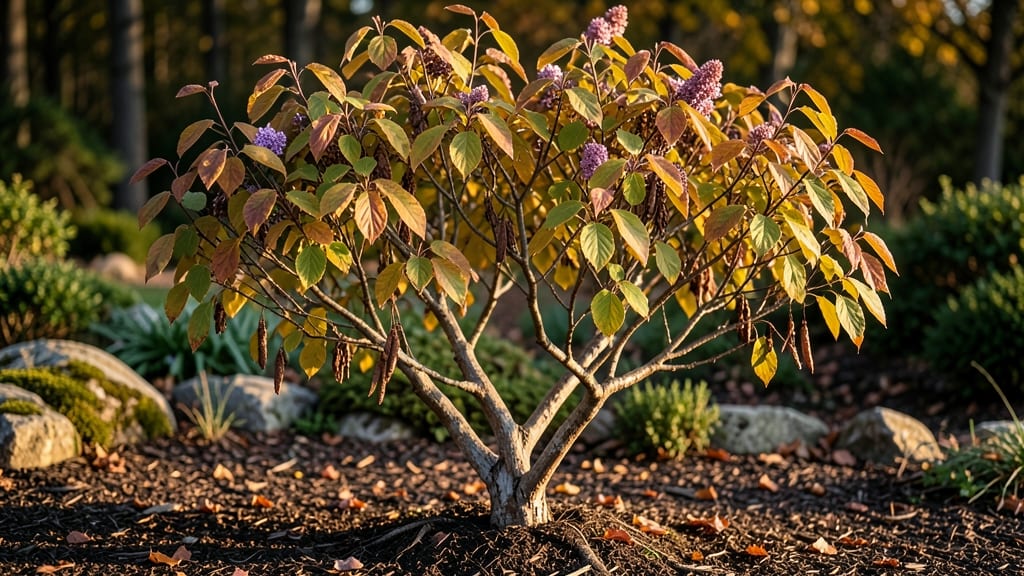
Autumn’s golden leaves mean it’s time to prune your lilac tree for next spring’s showstopper blooms. 🌿 I’ve learned the hard way that skipping this step means fewer flowers and leggy branches—so I’ve perfected a simple routine that keeps my lilacs lush and productive.
The key? Timing and technique, not brute force with the shears.
Start when about half the leaves have turned color but before frost hits—usually late October to early November in most zones. This lets the tree heal before winter, and you’ll avoid cutting back next year’s flower buds hiding in the leaf axils.
Grab your pruners, gloves, and a sharp saw for thicker branches, then focus on shaping rather than drastic cuts. My lilacs now burst with blooms every May, and the secret is in these few strategic snips.
You’ll notice the tree’s fragrant purple spikes fading as leaves drop, but don’t assume it’s dormant—it’s still storing energy for next year. Prune to open the center of the tree for airflow, removing no more than one-third of the growth at a time.
The goal is to encourage strong new growth from the base while keeping the tree’s natural shape. Afterward, mulch lightly to protect roots from winter’s chill.
This method works for established lilacs in zones 3–7, but avoid heavy pruning if your tree is young or struggling. The payoff? A vibrant, bushy lilac that blooms like crazy in spring, with fewer pests and better air circulation. Trust me—your neighbors will notice the difference. Ready to get started?
📚 In This Guide
- What you need
- Instructions
- Tips and common mistakes
- Wrapping up and next steps
What you need
- ● Bypass pruners: Sharp, clean pair (for cuts up to ½ inch thick). Pro tip: 💡 Disinfect with rubbing alcohol before and after use to prevent disease spread!
- ● Loppers: Heavy-duty, long-handled (for thicker branches, ½ to 1½ inches in diameter).
- ● Pruning saw: Curved-tooth saw for branches over 1½ inches thick.
- ● Garden gloves: Heavy-duty, cut-resistant (to protect from thorns and sharp branches).
- ● Ladder or step stool: Sturdy and tall enough to reach the tree’s highest branches safely.
- ○ Disposable pruning bags or bucket: For collecting and disposing of clippings (optional but helpful for cleanup!).
- ● Rag or paper towels: For wiping down tools and cleaning sap off branches.
- ● Safety glasses: Protect your eyes from flying debris.
- ● Long sleeves/pants: To avoid scratches from lilac thorns.
- ● Hand sanitizer or soap: For post-pruning cleanliness.
- ○ Marking twine or flags: Optional, for tagging branches to remove (if planning a multi-step pruning project).
- ● Choose a dry, cool day (avoid pruning when the tree is wet or in extreme heat).
- ● Ensure the lilac tree is fully dormant (after leaves fall but before new growth starts, typically late autumn).
- ● Have a clear plan for which branches to prune (refer to your lilac tree’s growth habits and health).
Step-by-step guide to autumn lilac pruning for stronger spring blooms
Here's my foolproof autumn routine that keeps lilacs blooming like crazy every spring.
⏰ Step 1: Time Your Pruning After Blooming
Wait until late summer or early autumn, after the lilac flowers fade completely and seed pods form. This is when the plant shifts energy from blooms to next year's buds. I never prune before September 1st—cutting too early removes flower buds already forming for spring.
Look for brown seed pods on the branches as your signal. These indicate the plant has finished flowering for the year and is storing energy for next season. If you see any lingering green buds, wait another week—they're still developing.
✂️ Step 2: Remove Dead, Weak, or Crossing Branches
Start by cutting out any dead or diseased branches first—these won't bloom and can spread problems. Use clean, sharp pruners to make cuts at a 45-degree angle, about ¼ inch above a healthy bud facing outward. This prevents water from pooling on the cut.
Next, remove branches that cross or rub against each other. These create wounds that invite disease and block airflow. I also cut out any branches growing straight up—these rarely bloom well and make the tree look top-heavy. Make your cuts just above an outward-facing bud to encourage an open growth habit.
🌿 Step 3: Thin Out Overcrowded Branches
Step back and examine the tree's shape. You want an open vase-like form with good airflow. Start by removing 10-20% of the oldest, thickest branches from the center. These are the ones that produce the smallest, weakest flowers. Cut them back to the main trunk or a strong side branch.
For each branch you remove, look for 2-3 younger, vigorous branches growing nearby that can take their place. These will develop stronger flower clusters next year. Never remove more than 1/3 of the tree's branches in one season—this stresses the plant and reduces next year's blooms.
🌱 Step 4: Lightly Shape the Outer Canopy
Now focus on the outer branches. Cut back the tips of the longest branches by about 1/3 of their length to encourage bushier growth. This creates more flowering sites along the branch rather than just at the tips. I make these cuts just above a set of leaves or a bud that points in the direction I want the branch to grow.
Resist the urge to heavily prune for shape—lilacs bloom on last year's wood, so aggressive cutting reduces next year's flowers. Instead, aim for a natural, balanced shape. You'll see where branches need thinning by looking for areas with dense foliage that blocks sunlight from reaching the center.
💧 Step 5: Clean Up and Protect the Tree
After pruning, remove all cut branches and debris from the area to prevent disease. I always sterilize my pruners with rubbing alcohol between cuts on the same tree to avoid spreading any potential pathogens. Rake up fallen leaves and dispose of them—lilacs are prone to borers that hide in leaf litter.
Give the tree a deep watering after pruning to help it recover. Mulch around the base with 2-3 inches of organic mulch, keeping it 6 inches away from the trunk to prevent rot. This protects the roots through winter and provides nutrients for next year's growth.
Tips & tricks for perfect autumn lilac pruning
Here's what nobody tells you about autumn pruning that'll make all the difference for next spring's blooms.
Timing Secret: The September 1st cutoff is your absolute deadline, but don't wait until the last minute. If you prune too late, the tree won't have enough time to set flower buds for spring. I aim for mid-September when I see at least 50% of the seed pods turning brown. This gives the tree about 6 weeks to recover before winter sets in—enough time to develop strong buds but not so late that it stresses the plant.
Branch Selection Tip: When thinning those 10-20% oldest branches in Step 3, look for branches that are thicker than your thumb. These are the real culprits for weak blooms—they produce tiny flowers because they've been competing for nutrients for years. Cut them back to the main trunk, but leave the smaller branches growing nearby to take their place. These younger branches will produce 3-4 times more flowers next year because they have more energy.
Cutting Technique: That ¼-inch clearance above the outward-facing bud is critical—don't skimp on space! Too close, and you'll damage the bud; too far, and the cut won't heal properly. I use my pruners to make a small notch in the bark just above my target bud, then make the final cut through that notch. This creates a smooth, natural cut that heals faster. And always make your cuts at a 45-degree angle—this prevents water from pooling and rotting the wound.
Post-Pruning Care: The deep watering after pruning isn't just about hydration—it's about helping the tree push out new growth before winter. I water slowly until I see moisture come out the bottom of the drainage holes in my pot (if potted) or until the soil is 6-8 inches deep. Then I wait 24 hours before mulching. This prevents root rot from sitting in soggy mulch too soon after pruning.
Pro Tips for Lilac Tree In Autumn
- Here's what nobody tells you about autumn pruning that'll make all the difference for next spring's blooms.
- Timing Secret: The September 1st cutoff is your absolute deadline, but don't wait until the last minute.
- Branch Selection Tip: When thinning those 10-20% oldest branches in Step 3, look for branches that are thicker than your thumb.
Frequently asked questions
Got questions about pruning your lilac tree in autumn? You're not alone! Here are some common concerns—and clear answers—to help you prepare for next year’s stunning blooms.
Why should I prune lilacs in autumn instead of spring or winter?
Autumn pruning (after blooming but before hard frost) removes spent flowers and encourages stronger growth for next year. Unlike spring pruning, it avoids cutting off flower buds already forming. Winter pruning is too late—dormant trees are vulnerable to disease. Pro tip: Aim for late September to early October in most climates.
How much can I trim back my lilac tree in autumn?
For mature lilacs, prune no more than 1/3 of the plant’s height to avoid stress. Focus on removing dead, diseased, or crossing branches first. For younger trees, light shaping (10–20%) suffices. Warning: Over-pruning can delay blooming or weaken the tree. Use sharp tools for clean cuts!
What if I miss autumn pruning? Can I still do it in early spring?
Yes, but with caution! Prune in early spring (before buds swell) to avoid cutting off flower buds. Avoid late spring—you’ll sacrifice blooms for the season. If you missed autumn, prioritize removing dead wood and thinning dense areas. Pro tip: Mark branches to prune with paint if you’re unsure!
Will pruning in autumn kill my lilac tree?
Not if done correctly! Lilacs are hardy, but improper cuts (too aggressive, jagged edges, or wrong timing) can stress the tree. Always use sterilized tools to prevent disease, and avoid pruning during frost or extreme heat. Signs of trouble: Wilting leaves or oozing sap—stop pruning immediately!
Can I prune my lilac tree to make it bushier?
To encourage bushiness, prune just above a leaf bud (not a bare stem) at a 45° angle. Focus on the outer branches to open the center for airflow. For multi-stem lilacs, thin out the weakest stems to redirect energy. Bonus: Mulch after pruning to retain moisture!
What should I do if my lilac tree isn’t blooming after pruning?
Lack of blooms often stems from over-pruning, poor nutrition, or age. Check for:
- Timing: Did you prune after blooming?
- Fertilizer: Use a balanced 10-10-10 in early spring.
- Age: Young lilacs (under 3 years) may need patience.
- Sunlight: Ensure 6+ hours of sun daily.
Wrapping up and next steps
Pruning your lilac tree in autumn isn’t just about tidying up—it’s your secret weapon for vibrant blooms next spring! 🌸 By following the right timing, techniques, and tools, you’ll keep your tree healthy, encourage strong growth, and enjoy those fragrant purple (or white!) blossoms year after year.
Whether you’re a pruning pro or a beginner, now’s the perfect time to roll up your sleeves and give your lilac the care it deserves.
Ready to transform your garden? Grab your pruners, mark your calendar for late fall, and start planning your pruning session today! Your future lilac will thank you with a showstopping display.