
Leaf Blower
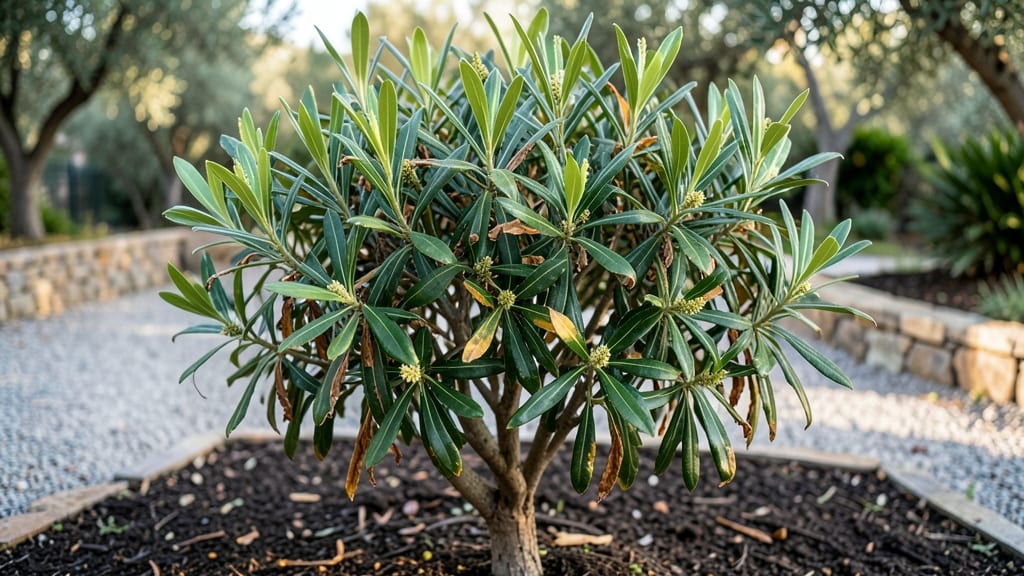
Your bay leaf tree’s leaves turning brown might seem like a death sentence, but it’s usually fixable—and the fix is simpler than you think. 🌿 I’ve nursed back more than a few of these trees by addressing just three core issues: water, light, and hidden pests lurking on the undersides of leaves.
The good news? Most browning isn’t permanent if you catch it early. Start by checking the soil—dry as dust or soggy as a swamp are the two biggest culprits. Stick your finger an inch deep: if it’s bone-dry, water deeply until it drains from the bottom.
If it’s still damp after a week, you’re overwatering, and roots are suffocating. Brown edges? That’s often underwatering. Yellowing with brown spots? Fungal trouble, likely from too much moisture.
Once you’ve adjusted watering, inspect the leaves for tiny webs or speckled damage—spider mites love bay trees and drain them faster than a summer drought. A strong spray of water or neem oil (mixed 1:10 with water) usually clears them in a week.
For nutrient issues, a balanced 10-10-10 fertilizer in spring and summer keeps foliage vibrant. The key is consistency: bay trees thrive in partial shade and evenly moist soil, not neglect or extremes.
With these tweaks, you’ll see fresh green growth in as little as 4-6 weeks—and your kitchen’s fresh herb supply will thank you.
Root Causes Behind Browning Leaves
When your bay leaf tree’s leaves start turning brown, it’s often a cry for help from the plant itself. Understanding the why behind the browning is the first step to reviving its vibrant green health.
Below, we break down the most common culprits—from environmental stressors to hidden pests—with actionable insights to address each one.
Bay leaf trees (like Laurus nobilis) thrive in well-draining soil, but soggy roots are a fast track to browning leaves. When roots sit in waterlogged conditions, they suffocate, leading to:
- Root rot: Fungal infections like Phytophthora attack waterlogged roots, cutting off nutrient and water flow to the leaves.
- Oxygen deprivation: Roots need air to respire; excess moisture displaces oxygen, triggering stress signals (browning) as the tree gasps for survival.
- Toxic buildup: Overwatering leaches nutrients but also traps salts and chemicals in the soil, burning root hairs and foliage.
Actionable fix:
- Check soil moisture by sticking your finger 2 inches deep—water only if dry.
- Amend heavy or clay soil with perlite or coarse sand (20-30% mix) to improve drainage.
- Repot in a container with drainage holes if growing indoors, or mound soil slightly above the pot’s rim to prevent water pooling.
Bay leaf trees prefer partial shade (4–6 hours of morning sun max). Direct afternoon sun or extreme heat can scorch leaves, causing:
- Photoxidative damage: Excess UV light breaks down chlorophyll, turning leaves brown or crispy at the edges.
- Transpirational stress: Hot, dry air forces leaves to lose moisture faster than roots can replace it, leading to necrosis (dead tissue).
- Water vapor deficit: High temperatures increase evaporation rates, even in well-watered soil, causing physiological drought.
Actionable fix:
- Move potted trees to a shadier spot (e.g., under a pergola or near a north-facing window).
- Mulch the base with 3–4 inches of organic mulch (like wood chips) to insulate roots and retain moisture.
- Mist leaves daily in extreme heat (use room-temperature water to avoid shock).
Pests like spider mites, scale insects, and thrips thrive on bay leaf trees, draining sap and injecting toxins that cause:
- Chlorosis: Pests disrupt nutrient transport, leading to yellowing/browning between leaf veins.
- Stippling: Tiny white/yellow dots appear as mites pierce cells, blocking chlorophyll production.
- Honeydew buildup: Scale insects excrete sticky residue that fosters sooty mold, a black fungal film smothering leaves.
Actionable fix:
- Inspect leaves: Look for webbing (mites), cottony tufts (scale), or tiny black specks (frass, or insect waste).
- Blast pests off: Spray leaves with a strong stream of water to dislodge mites/scale.
- Neem oil treatment: Mix 1 tsp neem oil + 1 tsp mild soap per quart of water, spray undersides of leaves, and repeat weekly for 2–3 weeks.
- Introduce predators: Release ladybugs or predatory mites (available at garden centers) for organic control.
Bay leaf trees are tender perennials (USDA zones 8–11). Sudden cold snaps (<32°F) or drafts can:
- Freeze cell membranes: Ice crystals rupture leaf tissue, causing brown, mushy patches.
- Disrupt photosynthesis: Cold slows metabolic processes, leading to chlorophyll breakdown and browning.
- Weaken roots: Frozen soil prevents water uptake, mimicking drought stress.
Actionable fix:
- Protect outdoor trees: Wrap the trunk with burlap and cover with a frost blanket if temps drop below 40°F.
- Move potted trees indoors: Place near a south-facing window or under grow lights if nighttime temps fall below 50°F.
- Avoid drafts: Keep trees away from AC vents, doors, or windows that open frequently.
Bay leaf trees need balanced nutrients to synthesize chlorophyll. Deficiencies in:
- Nitrogen (N): Causes overall yellowing/browning (older leaves first).
- Magnesium (Mg): Leads to interveinal browning (between veins) due to impaired chlorophyll production.
- Iron (Fe): Results in yellowing with brown edges, especially in alkaline soils.
Actionable fix:
- Test soil pH: Bay trees prefer 6.0–7.0. Adjust with sulfur (to lower pH) or lime (to raise pH).
- Fertilize smartly:
- Use a balanced fertilizer (10-10-10) in spring.
- For magnesium deficiency, apply Epsom salt (1 tbsp/gallon of water) monthly.
- For iron deficiency, use chelated iron or spray iron sulfate on leaves.
Pro Tip: 🔍 Diagnose before treating! Snap off a browning leaf and examine the pattern:
- Edges first? → Likely underwatering or salt buildup.
- Between veins? → Pest damage or magnesium deficiency.
- Entire leaf brown? → Overwatering, root rot, or sunburn.
Revive Your Bay Leaf Tree
When your bay leaf tree’s leaves start turning brown, don’t panic—there’s almost always a fix! The key is identifying the root cause and taking targeted action. Below are practical, step-by-step solutions for the most common issues, along with prevention tips to keep your tree thriving.
Let’s get those leaves back to their vibrant green!
Signs: Yellowing leaves that turn brown, mushy stems, or soggy soil. Why it happens: Bay leaf trees (like Laurus nobilis) hate "wet feet." Overwatering suffocates roots, leading to rot and nutrient starvation.
How to Fix It ✅ 🔥 Step 1: Check the Soil
- Stick your finger 2 inches deep into the soil. If it’s damp, hold off on watering.
- Test for drainage: Fill a container with soil and water.
If water pools at the bottom after 30 minutes, repot with well-draining soil (mix potting soil with perlite or sand).
✅ 🍳 Step 2: Adjust Your Watering Routine
- Water only when the top 1–2 inches of soil are dry (usually every 7–10 days in pots, less in ground-planted trees).
- Use a pot with drainage holes—if repotting isn’t an option, add a layer of gravel or pebbles at the bottom to improve airflow.
✅ 👨🍳 Step 3: Trim Damaged Foliage
- Snip off brown, mushy leaves with clean pruning shears to prevent further spread.
- Pro tip: 💡 Sterilize shears with rubbing alcohol between cuts to avoid bacterial infections.
🌿 Prevention Tips
- Water deeply but infrequently—better to underwater slightly than drown the roots.
- Mulch around the base (2–3 inches of organic mulch) to regulate soil moisture.
- Avoid saucers under pots—empty excess water after 15 minutes to prevent root rot.
Signs: Crispy, brown edges on leaves, dry soil pulling away from the pot, or leaves dropping.
How to Fix It
✅ 🥘 Step 1: Hydrate Immediately
- Soak the soil until water drains from the bottom. For large trees, use a hose with gentle pressure for 10–15 minutes.
- Mist the leaves lightly (especially in dry climates) to mimic humidity.
✅ ⏰ Step 2: Establish a Watering Schedule
- Morning watering is best—avoid evening to prevent fungal growth.
- Group plants together to create a microclimate with higher humidity.
✅ 🌡️ Step 3: Shield from Harsh Sun
- Move potted bay trees to partial shade (morning sun, afternoon shade) if leaves are scorched.
- Use shade cloth (30–50% coverage) if outdoor temperatures exceed 90°F (32°C).
🎯 Prevention Tips
- Self-watering pots or drip irrigation can help maintain consistent moisture.
- Group with moisture-loving plants (like ferns or ivy) to increase humidity.
- Avoid plastic pots—terracotta breathes better and reduces drying.
Signs: White powdery spots, brown spots with yellow halos, or a foul smell from the soil.
How to Fix It
✅ 🔪 Step 1: Prune and Isolate
- Remove all infected leaves and dispose of them in the trash (not compost).
- Isolate the plant until treated to prevent spread.
✅ 🧴 Step 2: Apply Fungicide
- Neem oil solution (1 tsp neem oil + 1 quart water + drop of dish soap) spray every 7–10 days for 3 weeks.
- Copper fungicide (like Bonide Copper Fungicide) for severe cases—follow label instructions.
✅ 🌬️ Step 3: Improve Air Circulation
- Space plants 12+ inches apart or use a small fan on low setting near the tree.
- Repot if root rot is suspected—trim black, mushy roots and replant in fresh, sterile soil.
✨ Prevention Tips
- Water at the base (avoid wetting leaves) to reduce fungal spores.
- Space plants properly—crowding traps moisture and encourages mildew.
- Rotate pots occasionally to ensure even sunlight exposure.
Signs: Brown spots between leaf veins (iron deficiency) or overall yellowing with brown tips (nitrogen deficiency).
How to Fix It
✅ 📊 Step 1: Test Your Soil
- Use a DIY soil test kit (available at garden centers) or send a sample to a local extension office.
- Quick fix: Sprinkle iron chelate granules (like Ironite) on soil and water thoroughly.
✅ 💪 Step 2: Fertilize Properly
- For nitrogen: Use a balanced fertilizer (10-10-10 or 20-20-20) once in spring and again in early summer.
- For micronutrients: Apply a liquid seaweed fertilizer (like Neptune’s Harvest) monthly during growing season.
✅ 🍎 Step 3: Adjust pH if Needed
- Bay trees prefer slightly acidic soil (pH 6.0–7.0). If soil is too alkaline, add sulfur or peat moss to lower pH.
🌟 Prevention Tips
- Feed lightly but regularly—over-fertilizing burns roots.
- Use organic matter (compost or worm castings) to improve soil health long-term.
- Avoid synthetic fertilizers in winter—the tree is dormant and won’t absorb nutrients.
Signs: Sticky residue (honeydew), tiny webs, or clusters of small bugs on stems/leaves.
How to Fix It
✅ 🚿 Step 1: Blast Off Pests
- Spray with soapy water (1 tsp mild soap + 1 quart water) to dislodge pests.
- Repeat every 3–4 days until pests are gone.
✅ 🕷️ Step 2: Introduce Beneficial Insects
- Ladybugs or lacewings (available at garden centers) eat aphids and mites naturally.
- Neem oil spray (as above) smothers eggs and adults.
✅ 🌿 Step 3: Prune and Clean
- Wipe leaves with a damp cloth to remove eggs and debris.
- Dispose of heavily infested branches to prevent reinfestation.
🔍 Prevention Tips
- Inspect new plants before bringing them home—quarantine for 2 weeks.
- Encourage predator insects by planting marigolds or basil nearby.
- Avoid over-fertilizing—soft new growth attracts pests.
Final Thought: 🌱 Most brown leaves are reversible with the right care! Start with the most likely cause (watering issues are #1), then move to nutrients or pests. Monitor your tree weekly—small adjustments now save hours of frustration later. Happy gardening!
Frequently asked questions
Why are the leaves on my bay leaf tree turning brown in patches?
Patchy browning often signals pest infestations like spider mites or scale insects, which feed on leaf sap. Check the undersides of leaves for tiny webs or sticky residue. Try a neem oil spray (1 tsp neem + 1 quart water) applied weekly for 2-3 weeks to eliminate pests naturally.
Can I save my bay leaf tree if the brown leaves are crispy and dry?
Crispy, dry leaves usually mean underwatering or sunburn. Water deeply until it drains from the bottom, then move the tree to partial shade (morning sun only). Prune damaged leaves to encourage new growth—healthy bay trees bounce back quickly with proper care!
How often should I water a bay leaf tree to prevent browning?
Bay trees prefer consistently moist but not soggy soil. Stick your finger 2 inches deep—water only when dry. In pots, this is usually every 7-10 days; in-ground trees need less frequent watering. Overwatering causes root rot, which turns leaves brown!
Are brown leaves on my bay tree a sign of disease?
Not always! While fungal diseases (like leaf spot) can cause brown spots, 90% of cases stem from watering issues or pests. Look for yellow halos around spots (fungus) vs. dry edges (underwatering). For suspected disease, use copper fungicide and improve airflow around the plant.
Will pruning brown leaves help my bay leaf tree recover?
Pruning removes stressed foliage that drains energy. Use clean shears to trim only brown/damaged leaves—never healthy green ones. This stimulates new growth and prevents further nutrient loss. Sterilize shears with rubbing alcohol between cuts to avoid infections.