
Pruning
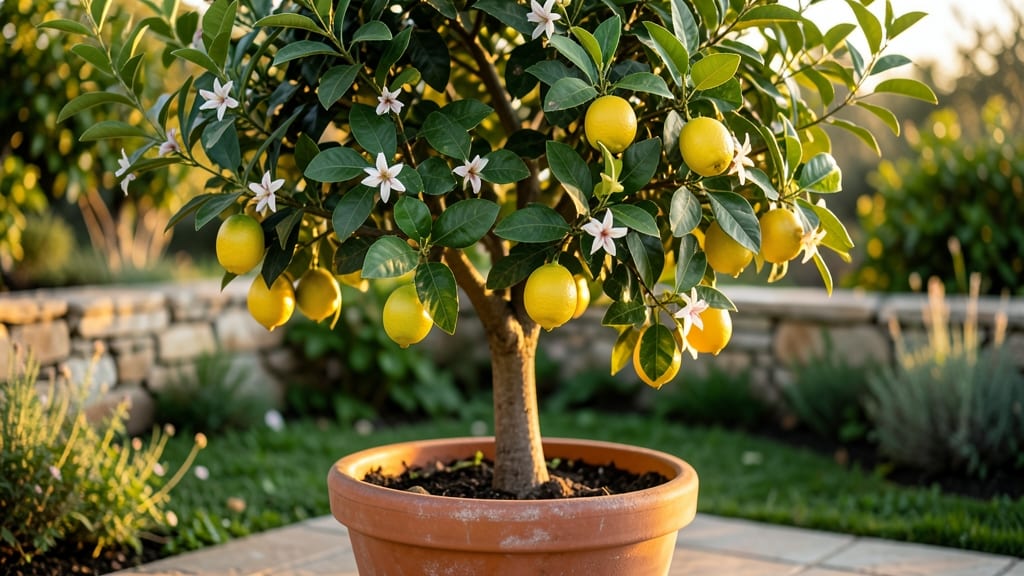
The lemon tree temperature range thrives when temperatures stay between 60°F and 85°F—too hot or cold, and you’ll lose leaves, blooms, or even the whole plant. 🌿 I’ve watched my own citrus trees struggle through sudden freezes and sweltering summers, and the difference between a productive tree and a struggling one comes down to understanding these ranges.
The sweet spot for growth is 70°F to 78°F, where roots absorb nutrients efficiently and flowers set fruit. Below 50°F, new growth stops, and anything under 28°F risks frost damage—even a single night below freezing can kill young trees.
On the other end, temperatures above 90°F stress the tree, causing leaf drop and poor fruiting. Protect your tree with shade cloth during heatwaves or a frost blanket when temps dip. Container growers have an edge—they can move pots indoors or into garages during extreme weather.
Even in mild climates, afternoon shade helps prevent sunburn on leaves. For indoor lemon trees, place them near a sunny window or under grow lights to mimic ideal conditions. With the right temperature management, you’ll enjoy harvests year after year, even in less-than-perfect zones.
Temperature Stress Explained
Understanding why your lemon tree struggles with temperature extremes comes down to its biological makeup and evolutionary adaptations.
Native to warm, subtropical regions like northern India and parts of Southeast Asia, lemon trees (Citrus × limon) are sensitive to sudden shifts outside their ideal lemon tree temp range.
When conditions veer too far from their comfort zone, physiological stress triggers a cascade of problems—from stunted growth to leaf drop and even death. Let’s break down the key reasons behind temperature-related issues in your citrus tree.
Lemon trees are tender perennials, meaning they lack the hardiness to survive prolonged cold snaps. When temperatures dip below 28°F (-2°C), the tree’s cellular structures begin to fail due to:
- Ice Crystal Formation 🧊 Water inside plant cells expands as it freezes, rupturing cell walls. This disrupts nutrient transport and oxygen uptake, leading to brown, mushy patches on leaves and stems.
- Enzyme Dysfunction 🧪 Cold temperatures slow down or deactivate critical enzymes (like superoxide dismutase), which normally protect cells from oxidative damage. Without these enzymes, the tree’s tissues become vulnerable to decay.
- Respiratory Overload 🌬️ Lemon trees rely on aerobic respiration to produce energy. Below 40°F (4°C), their metabolic rate plummets, starving roots and leaves of the energy needed for repair and growth.
Actionable Insight: 💡 If your region experiences frost, cover young trees with frost cloth or move potted lemon trees indoors before temperatures drop below 45°F (7°C).
While lemon trees thrive in warm climates (70–90°F / 21–32°C), extreme heat—especially combined with low humidity—can push them into heat stress. Symptoms include: - Leaf Scorch 🔥 High temperatures increase transpiration rates (water loss through leaves) faster than roots can absorb water.
This causes leaf edges to turn crispy and brown, a condition called marginal necrosis.
- Photosynthesis Breakdown 🌿 The enzyme RuBisCO, essential for converting CO₂ into sugars, becomes less efficient above 95°F (35°C). Without enough energy, the tree weakens and may drop fruit prematurely.
- Root Suffocation 🌱 Soil heats up quickly in direct sun, reducing oxygen availability in the root zone. Anaerobic conditions (low oxygen) force roots to switch to inefficient fermentation, leading to root rot.
Actionable Insight: 🌡️ Provide afternoon shade during peak summer months and mulch the base of the tree to retain moisture and regulate soil temperature.
Lemon trees hate unpredictability. Sudden shifts—like a 90°F (32°C) day followed by a 50°F (10°C) night—disrupt their physiological balance. Here’s why:
- Cellular Membrane Damage 🧬 Plant cell membranes are semi-permeable and rely on stable temperatures to regulate water and nutrient flow. Rapid changes cause membrane leakage, where essential ions (like potassium and calcium) spill out, weakening the tree.
- Hormonal Chaos 🌱 Temperature fluctuations interfere with plant hormones like abscisic acid (ABA) and ethylene, which control stress responses and fruit drop. Erratic signals lead to premature leaf abscission (dropping) and poor flowering.
- Microclimate Disruption 🌡️ Lemon trees prefer consistent humidity (40–60%). Sudden dry heat or cold winds increase evaporative stress, making it harder for roots to keep up with water demands.
Actionable Insight: ✨ Use a thermometer and hygrometer to monitor daily temperature swings. If your region has volatile weather, grow lemon trees in protected microclimates (e.g., near walls or under eaves).
Potted lemon trees or those recently transplanted are extra vulnerable because they haven’t adjusted to new temperature conditions.
Common mistakes include: - Moving from Indoor to Outdoor Too Fast 🏠→🌳 Indoor-grown trees (often at 65–75°F / 18–24°C) can suffer sunburn when exposed to direct midday sun (above 85°F / 29°C) without gradual hardening.
- Winterizing Without Prep ❄️🌿 Trees moved from warm indoor spaces to cold garages may experience cold shock if not acclimated over 1–2 weeks by slowly reducing indoor temps.
Actionable Insight: 🔥 Hardening off potted lemon trees by placing them in dappled shade for 1–2 hours daily, gradually increasing exposure over 7–10 days.
Lemon trees are USDA Hardiness Zones 9–11 natives. Planting them in Zones 7 or below without protection is a recipe for failure because: - Frost Depth & Duration ❄️⏱️ Even a single night below 25°F (-4°C) can kill young trees.
Older trees may survive brief cold snaps but suffer reduced fruit production for years afterward.
- Soil Temperature Lag 🌍 Soil stays colder longer than air, especially in clay-heavy or poorly drained soils. Roots in chilly soil (below 50°F / 10°C) struggle to absorb water and nutrients, stunting growth.
Actionable Insight: 🎯 If you live outside Zones 9–11, grow lemon trees in large containers for winter indoor storage or choose cold-hardier citrus varieties like ‘Meyer’ lemon hybrids (tolerant to 20°F / -6°C).
Adjusting Your Lemon Tree’s Climate
Now that you understand why temperature swings stress your lemon tree, let’s tackle practical fixes—whether you’re dealing with frost damage, heat stress, or seasonal shifts.
These solutions are designed to be easy to implement, cost-effective, and tailored to your lemon tree’s ideal temperature range (60–85°F for optimal growth).
If your lemon tree is struggling in below-50°F temperatures, act fast to prevent permanent harm.
🔥 Emergency Frost Protection (Nighttime Drops)
- Cover the Tree: Use frost cloth, old blankets, or even cardboard boxes to shield the tree.
Secure edges with rocks or stakes to trap heat. - Light a Fire: Place a safe heat source (like a string light or candle) near the base—never directly against the trunk. 🔥 - Water the Soil: Damp soil retains heat better than dry soil.
Water deeply before the frost hits (but avoid soggy roots).
🌱 Long-Term Cold Hardiness
- Choose Cold-Tolerant Varieties: If you live in Zone 8 or colder, opt for ‘Meyer’ lemons or ‘Ponderosa’ lemons, which handle brief chills better.
- Move Potted Trees Indoors: Bring containers inside near a sunny window or under grow lights during winter.
- Mulch Heavily: Apply 3–4 inches of mulch (straw, wood chips) around the base to insulate roots.
💡 Pro Tip: If your tree is young, delay planting until spring to avoid early-season frosts.
When temperatures soar above 90°F, lemon trees wilt, drop leaves, and stop fruiting. Here’s how to cool them down:
💦 Hydration & Shade Solutions
- Deep Watering: Soak the root zone every 2–3 days (morning is best). Use a soaker hose to avoid wetting leaves (fungus risk).
- Shade Cloth: Install 30–50% shade cloth during peak sun (10 AM–4 PM).
Remove it in cooler months to ensure full sunlight. - Mist Leaves (Gently): Early morning misting can lower leaf temps, but avoid evening misting (promotes disease).
🌿 Structural Adjustments
- Prune for Airflow: Thin out dense branches to improve circulation and reduce heat buildup.
- Reflective Mulch: Use white gravel or aluminum foil around the base to reflect sunlight away from the trunk.
- Windbreaks: Plant fast-growing shrubs (like rosemary or lavender) on the south/southwest side to block scorching winds.
✨ Bonus: Drip irrigation keeps roots cool while delivering water directly—no waste!
Lemon trees hate sudden temperature swings (e.g., moving from 80°F to 40°F overnight). Smooth transitions with these tricks:
🍃 Gradual Acclimation (Hardening Off)
- For Potted Trees: If bringing them indoors, acclimate over 1–2 weeks by moving them to a sheltered, shaded spot first.
- For Outdoor Trees: Mulch in fall to slowly cool roots as temps drop, then remove excess mulch in spring to warm soil gradually.
🌡️ Microclimate Control
- Plant Near Structures: Position your lemon tree next to a brick wall or fence—these absorb heat during the day and release it at night.
- Windbreaks: Use bamboo screens or lattice to block cold drafts while allowing airflow.
🎯 Prevention Checklist: ✅ Monitor weekly highs/lows with a thermometer (place it near the tree). ✅ Avoid fertilizing in extreme heat—it stresses the plant. ✅ Harvest lemons before the first frost to save your crop.
If your lemon tree shows blackened leaves, oozing bark, or wilting despite care, it may need:
- Fungal treatment (neem oil spray for sooty mold).
- Root inspection (gently dig around the base to check for rot).
- Professional advice if in Zone 7 or colder (some trees just can’t survive).
Final Thought: A happy lemon tree is a balanced lemon tree—give it consistent temps, smart shade, and deep care, and it’ll reward you with juicy lemons for years! 🍋🌿
Frequently asked questions
What’s the best temperature range for growing lemon trees indoors?
Keep indoor lemon trees between 65°F and 75°F for optimal growth. Avoid placing them near drafty windows or heating vents, as sudden temperature swings cause stress. A sunny windowsill (south-facing) or grow lights for 12–14 hours daily helps maintain ideal conditions.
Can lemon trees survive in Zone 7 climates?
Standard lemon trees struggle in Zone 7 due to frost risk, but ‘Meyer’ lemon hybrids tolerate brief dips to 20°F. For best results, grow in large containers and move indoors before 40°F nights. Mulch heavily and use frost cloth for extra protection during winter.
How do I protect my lemon tree from heat stress?
When temps exceed 90°F, provide afternoon shade with 30–50% shade cloth and water deeply every 2–3 days. Prune dense foliage to improve airflow, and avoid fertilizing during heatwaves. Mulch with straw to keep roots cool and reduce evaporation.
Why do lemon tree leaves turn yellow in cold weather?
Yellowing leaves indicate cold stress—temperatures below 50°F disrupt nutrient uptake. Move potted trees indoors or cover outdoor plants with frost cloth. Check soil moisture too—cold roots absorb water poorly, leading to nutrient deficiencies.
How long can lemon trees handle temperatures below freezing?
Even mature lemon trees can’t survive prolonged freezing. A single night at 28°F risks damage, while 20°F or lower often kills the tree. For container trees, bring them indoors immediately. If outdoors, wrap the trunk with bubble wrap and cover with frost cloth.