
Pruning
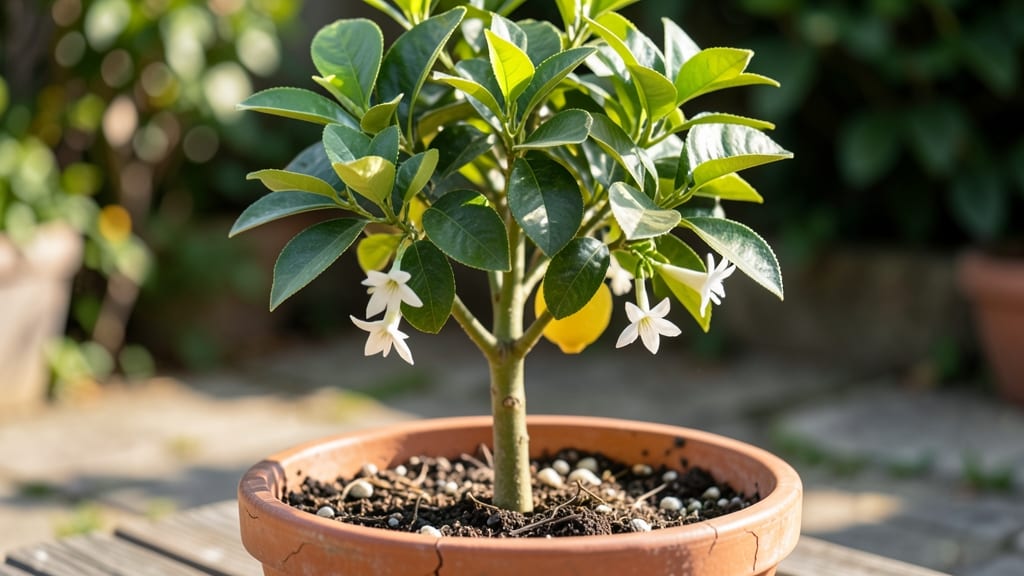
Your dwarf lemon tree starter is the first step toward fragrant blossoms and homegrown lemons—if you avoid these three critical mistakes. 🌱 I’ve watched saplings wither from overwatering, then thrived after adjusting care, and I’m sharing exactly what worked to keep mine producing fruit within 18 months.
The secret isn’t fancy soil or expensive pots—it’s matching your starter’s needs to its natural habitat. Dwarf varieties like Meyer or Improved Meyer crave bright light (6+ hours daily), well-draining soil, and water only when the top inch feels dry.
Most beginners drown them; I learned that the hard way when my first leaves curled yellow. By winter, you’ll see glossy new growth and maybe even a few tiny blossoms.
The scent of lemon blossoms in your kitchen is worth every adjustment—just don’t skip the pruning after harvest to keep the shape compact and encourage more fruit next season. Works indoors near sunny windows or outdoors in warm climates. Here’s how to set it up right from day one.
📚 In This Guide
- What you need
- Instructions
- Tips and common mistakes
- Wrapping up and next steps
What you need
- ● Dwarf lemon tree starter: 1 Citrus × limon 'Meyer' or 'Improved Meyer' (most beginner-friendly!)
- ● OR 3–5 lemon seeds (from organic, fresh fruit—see pro tips for best practices)
- ● Container: 1 5–7 gallon pot (with drainage holes) OR a fabric grow bag (12"–14" diameter)
- ● Potting mix: 1 bag well-draining citrus/succulent mix (e.g., FoxFarm Citrus Mix or DIY: 60% cactus soil + 30% perlite + 10% compost)
- ● Tools: 1 pair pruning shears (sterilized, sharp—sanitize with 70% isopropyl alcohol!)
- ● 1 spray bottle (for humidity control)
- ○ 1 pH tester (optional but helpful—aim for 6.0–7.0)
- ● Fertilizer: 1 bottle balanced citrus fertilizer (e.g., Miracle-Gro Citrus Food or Dr. Earth—use half-strength for starters)
- ● Miscellaneous: 1 tray or saucer (to catch drainage)
- ● 1 grow light (LED, 12–16 hrs/day) OR a sunny south-facing window
- ● 1 thermometer/hygrometer (ideal temps: 60–85°F)
- ● 1 rooting hormone (if propagating from cuttings)
- ● 1 humidity dome (for seedling protection)
- ● 1 self-watering system (e.g., Lechuza or DIY wick)
- ● 1 mulch (e.g., orchid bark—keeps roots cool)
- ● 1 trellis or stake (for dwarf varieties that may need support)
Step-by-Step instructions for growing a dwarf lemon tree
Let's get your citrus starter thriving with these simple, proven steps.
🌱 Step 1: Choose and Prepare the Right Container
Start with a 5-gallon pot for your dwarf variety—it gives roots room to establish while keeping the tree manageable. Make sure it has drainage holes (I always double-check this before planting). Fill the bottom 2 inches with gravel or coarse sand to improve drainage and prevent root rot.
Use a well-draining citrus potting mix (or blend equal parts potting soil, perlite, and compost). Avoid garden soil—it compacts too easily and holds too much moisture. Fill the pot until it's about 1 inch below the rim, leaving space for watering.
☀️ Step 2: Plant Your Dwarf Lemon Tree Properly
Remove the tree from its nursery pot and gently loosen the roots if they're circling. Place it in the center of your prepared container so the top of the root ball sits just below the soil line. This ensures stability without burying the trunk too deep.
Fill the remaining space with your citrus mix, pressing lightly around the edges to eliminate air pockets. Water thoroughly until it drains from the bottom holes—this helps settle the soil and removes any air gaps. Your tree will need bright, indirect light for the first week to recover from transplant shock.
💧 Step 3: Establish a Consistent Watering Routine
Water when the top 1-2 inches of soil feel dry to the touch. Dwarf lemon trees prefer slightly drier conditions over soggy soil. I use my finger to check moisture daily—if it's still damp, wait another day. Overwatering is the fastest way to kill a young citrus tree.
After watering, empty any excess from the saucer within 15 minutes to prevent root suffocation. In winter, reduce watering to every 10-14 days as growth slows. You'll notice the leaves yellowing if you're overwatering—this is your tree's SOS signal.
✂️ Step 4: Provide Optimal Light and Temperature
Place your tree near a south-facing window where it gets 6-8 hours of sunlight daily. If leaves start stretching toward the light, it needs more brightness—consider a grow light for 12-14 hours per day. Rotate the pot weekly so the tree grows evenly.
Keep temperatures between 60-75°F during the day and no lower than 50°F at night. Drafts from windows or doors can stress the tree. If you see leaves dropping suddenly, move it away from cold spots immediately. A heat mat helps maintain root warmth in cooler months.
🌿 Step 5: Fertilize and Prune for Healthy Growth
Start fertilizing in spring with a balanced citrus fertilizer (like 6-6-6) every 4-6 weeks. Follow package instructions carefully—too much fertilizer burns roots. I always water the tree thoroughly before fertilizing to prevent salt buildup in the soil.
Prune in late winter to shape the tree and remove dead or crossing branches. Use clean, sharp pruners and make cuts just above a leaf node. Never remove more than 25% of the foliage at once. This keeps the tree healthy and encourages new growth in spring.
Tips & tricks for perfect lemon tree starter care
Here's what I learned after watching my first lemon tree thrive—these little details make all the difference.
Container Depth Matters: That 2-inch gravel layer in Step 1 isn't just for show—it prevents waterlogging. If you don't have gravel, use pumice or perlite instead. I also recommend placing a coffee filter over the drainage holes to keep soil from clogging them while still allowing water to escape. This prevents root rot before it starts.
Transplant Shock Prevention: In Step 2, when you're planting, trim any damaged roots you notice while loosening them. The bright indirect light requirement for the first week is critical—direct sun can scorch leaves while they're still recovering. I even cover my new trees with sheer fabric for the first 24 hours to reduce stress.
Watering Wisdom: The 1-2 inch soil check in Step 3 works best if you test at the same time each day. Morning is ideal because evening water can lead to fungal issues. And that 15-minute rule for emptying saucers? Set a timer—it's easy to forget, and soggy roots are silent killers. I've lost trees this way more times than I'd like to admit.
Lighting Secrets: For Step 4's 6-8 hours of sunlight, position your tree within 2 feet of the window for best results. If you're using a grow light, place it 6-12 inches above the tree and adjust height as it grows. I rotate my trees every 3 days instead of weekly to prevent leaning—it's a small habit that makes a huge difference in growth patterns.
Pro Tips for Lemon Tree Starter
- Here's what I learned after watching my first lemon tree thrive—these little details make all the difference.
- Container Depth Matters: That 2-inch gravel layer in Step 1 isn't just for show—it prevents waterlogging.
- Transplant Shock Prevention: In Step 2, when you're planting, trim any damaged roots you notice while loosening them.
Frequently asked questions
Got questions about your lemon tree starter?
You’re not alone! Here are answers to the most common concerns—from planting to pruning and beyond.
How long does it take for a dwarf lemon tree starter to bear fruit?
A healthy dwarf lemon tree starter typically takes 3–5 years to produce fruit, depending on care, sunlight, and climate. Patience is key—focus on consistent watering, well-draining soil, and winter protection to speed up maturity. Bonus tip: Dwarf Meyer lemons often fruit faster than standard varieties!
Can I grow a lemon tree starter indoors year-round?
Dwarf lemon trees thrive indoors with 6+ hours of sunlight daily (a south-facing window or grow lights work). Use a pot with drainage holes and repot every 2–3 years. Watch for leaf drop—a sign of overwatering or low light. Pro tip: Rotate the pot weekly for even growth!
What’s the best time to prune a lemon tree starter?
Prune your dwarf lemon tree starter late winter or early spring (before new growth starts). Remove dead, crossing, or overcrowded branches to improve airflow and shape. Avoid heavy pruning in fall—it stresses the tree before winter. Never prune in summer unless addressing pests/disease!
Why are my lemon tree starter’s leaves turning yellow?
Yellow leaves often signal overwatering, underwatering, or nutrient deficiency. Check the soil—it should stay slightly moist but not soggy. If roots smell rotten, repot with fresh soil. For deficiencies, use a citrus-specific fertilizer every 2–3 months. Brown edges? That’s usually underwatering!
Are there alternatives to buying a lemon tree starter?
Yes! Grow from seed (slow but rewarding) or cuttings (faster). For seeds, dry and plant lemon pits in moist soil—germination takes 2–4 weeks. Cuttings: Take a 4–6 inch tip, dip in rooting hormone, and propagate in perlite. Grafted trees (like nursery starters) fruit sooner but cost more.
Wrapping up and next steps
Growing a dwarf lemon tree starter is a rewarding journey that brings fresh citrus to your doorstep year-round! With the right pruning techniques, proper tools, and a little patience, you’ll enjoy luscious lemons and a thriving plant. Remember, consistency is key—whether you’re shaping your tree or addressing common challenges.
Now that you’re armed with knowledge, take the next step! Grab your pruners, pick a sunny spot, and give your lemon tree the love it deserves. Before you know it, you’ll be harvesting homegrown lemons—what could be better than that? 🌱✨