
Pruning
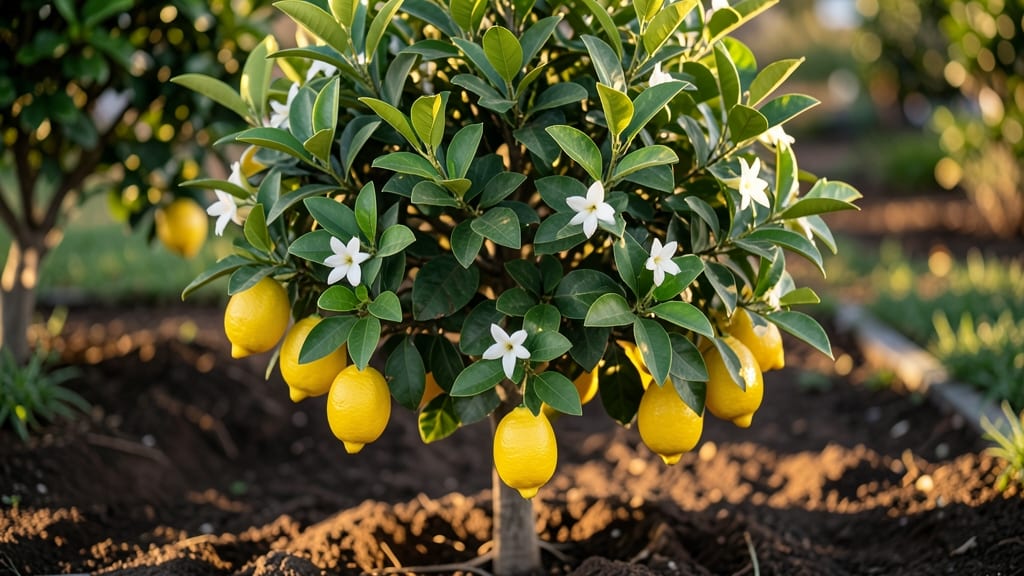
Growing a Pomona lemon tree means sunshine in a pot year-round—this dwarf citrus gem produces sweet, fragrant lemons even on a city balcony. 🌿 I’ve nurtured mine for three years now, and it’s become my smallest but most rewarding tree, yielding fruit twice a year without needing a backyard.
The secret lies in its adaptability: it thrives in 5-6 hours of morning sun (perfect for patios or bright windowsills) and tolerates partial shade better than most citrus. Water when the top inch of soil feels dry—overwatering is the #1 killer of these little powerhouses.
A well-draining potting mix with perlite keeps roots happy, and a winter rest period (cooler temps, less water) ensures consistent blooms. By summer’s end, you’ll be harvesting bright yellow lemons that taste sweeter than store-bought, and the glossy foliage adds year-round charm.
Prune lightly after harvest to shape the tree, and watch it rebound with fresh growth by spring. Even in containers, this tree stays compact enough for small spaces—my 15-gallon pot holds it just right.
Indoor growers rejoice: Pomona lemons handle apartment living better than most citrus, though an occasional outdoor summer vacation boosts fruit production. Outdoors, they’re cold-hardy to 20°F with proper protection, making them ideal for USDA zones 8-11.
The trade-off? They need winter dormancy—simulate it by moving potted trees indoors or wrapping them in frost cloth.
Watch for aphids (wipe them off with soapy water) and root rot (never let them sit in saucers of water).
With the right care, your Pomona will reward you with harvests starting as early as year two—and the smell of fresh lemons in your kitchen will make every pruning session worth it.
The first product explained
Meet the Lemon Tree Pomona—a compact, high-yielding citrus gem perfect for small gardens, patios, and even cozy balconies! 🍋✨ This dwarf variety is a favorite among urban gardeners and citrus enthusiasts alike, offering all the zesty goodness of a full-sized lemon tree in a fraction of the space.
🌱 Specs & Features
- Size: Typically grows to 6-10 feet tall (with proper pruning, it can stay even smaller!), making it ideal for containers or tight spaces.
- Fruit: Produces bright yellow, sweet-tart lemons (often larger than standard lemons!) that are perfect for juicing, baking, or garnishing.
- Hardiness: Thrives in USDA Zones 9-11 but can be grown in cooler climates with winter protection (think pots that can be moved indoors!).
- Growth Rate: Moderate to fast—expect harvests as early as 2-3 years with proper care!
- Pruning Needs: Light to moderate pruning keeps it bushy and encourages fruit production. Bonus: Pruned branches make great bonsai material!
- Pollination: Self-pollinating, so you won’t need a second tree for fruit!
🎯 Who’s It For?
This little powerhouse is a dream for:
- 🏡 Small-space gardeners (apartments, balconies, or tiny yards).
- 🍳 Home cooks and bakers who love fresh lemons year-round.
- 🌿 Bonsai enthusiasts looking for a fruiting citrus tree.
- 🐝 Eco-conscious growers who want a low-maintenance, high-reward plant.
- 🎁 Gift-givers—it’s a stunning, productive houseplant!
💰 Price Point & Where to Buy
The Lemon Tree Pomona typically ranges from $30–$80, depending on whether you’re buying a:
- 🌱 Young nursery plant ($30–$50): Ready to pot up and grow!
- 🌿 Mature, fruit-bearing tree ($60–$80): Instant gratification for impatient citrus lovers.
- 🌍 Online retailers (check Etsy, The Citrus Company, or local nurseries).
Pro Tip: 💡 Look for organic-certified or heirloom varieties for the best flavor and resilience!
The second product explained
If you’re dreaming of a compact, high-yielding lemon tree that thrives in containers or small gardens, the Pomona Lemon Tree is a game-changer. 🍋✨ Unlike its full-sized counterparts, this dwarf variety packs all the citrus charm into a manageable package—perfect for urban balconies, patios, or cozy kitchen gardens.
Let’s dive into why this little tree is a big deal!
🌱 Key Specs & Features
Here’s what makes the Pomona Lemon Tree stand out:
- Size: Matures at 6–8 feet tall (ideal for containers or small spaces).
- Growth Rate: Moderate—expect 1–2 feet per year with proper care.
- Fruit Production: Abundant, year-round harvests (in frost-free climates). Lemons are thick-skinned, seedless, and extra juicy—perfect for cooking, baking, or fresh-squeezing!
- Cold Hardiness: Tolerates down to 15°F (Zone 9) with protection (unlike standard lemons, which are tropical).
- Pollination: Self-pollinating—no need for a second tree!
- Soil & Sun: Thrives in well-draining soil and 6+ hours of sunlight daily.
🎯 Who’s It For?
The Pomona Lemon Tree is a versatile star for:
- Small-space gardeners: Containers, balconies, or courtyard gardens.
- First-time citrus growers: Low-maintenance and forgiving.
- Foodies & home cooks: Harvest fresh lemons for homemade limoncello, pies, or marinades.
- Urban dwellers: Adds greenery and fragrance to city living.
- Eco-conscious gardeners: Drought-tolerant once established.
💰 Price Point & Value
Pricing varies based on size and seller, but you can typically find:
| Size | Price Range (USD) | Best For |
|---|---|---|
| 1–3 gallon potted (young tree) | $40–$80 | Budget-friendly starter or container growers |
| 5–7 gallon potted (mature dwarf) | $80–$150 | Immediate fruit production |
| Bare-root or mail-order (seasonal) | $30–$60 | Cost-effective for bulk orders |
Pro Tip: 💡 Check local nurseries or citrus specialty shops for discounts on multiple trees—some even offer pruning guides or fertilizer bundles!
With its compact size, reliable harvests, and adaptability, the Pomona Lemon Tree is a no-brainer for anyone craving citrus without the commitment of a full-sized tree. Ready to grow your own sunshine? 🌞
Head-to-head comparison
Ready to dive into the details?
Let’s compare the Pomona Lemon Tree to other popular dwarf citrus varieties—like the Meyer Lemon and Eureka Lemon—so you can decide which one fits your garden dreams (and space constraints) like a glove. 🌿🍋 Whether you’re a citrus newbie or a seasoned green thumb, this side-by-side breakdown will help you pick the perfect lemony companion for your outdoor (or indoor!) oasis.
🌱 Growth Habit & Size
The Pomona Lemon Tree is the ultimate space-saver in the dwarf citrus world, but how does it stack up against its peers? Here’s the scoop:
| Variety | Mature Height | Spread | Growth Rate |
|---|---|---|---|
| Pomona Lemon | 6–8 feet (can be pruned smaller) | 4–6 feet | Moderate (slower than Eureka, faster than Meyer) |
| Meyer Lemon | 8–12 feet (often grafted to dwarf rootstock) | td>5–8 feetModerate to fast (depends on conditions) | |
| Eureka Lemon | 10–15 feet (dwarf varieties can reach 6–8 feet) | 6–10 feet | Fast (aggressive if not pruned) |
Why it matters: If you’re tight on space, the Pomona’s compact frame makes it the winner for balconies, patios, or small yards. The Meyer is a close second but can outgrow its welcome if left unchecked. Eurekas, unless grafted, are the tallest and need more room to shine.
🍋 Fruit Production & Flavor
Not all lemons are created equal—and neither are their trees! Here’s how the Pomona compares in terms of harvest and taste:
- Pomona Lemon:
- 🍋 Yield: Reliable but moderate (expect 50–100 lemons per year on a mature tree).
- 🌡️ Flavor: Classic tart lemon with a hint of sweetness—less hybridized than Meyer, so purists love it.
- 📅 Harvest Time: Late winter to early spring (peaks in February–March).
- Meyer Lemon:
- 🍋 Yield: High! Often produces more fruit than Pomona, but smaller lemons.
- 🍯 Flavor: Sweeter and less acidic—think “lemonade in a rind.” 🥤
- 📅 Harvest Time: Year-round (with peaks in fall/winter).
- Eureka Lemon:
- 🍋 Yield: Heavy producer, but fruit can be very large (great for juicing!).
- 😬 Flavor: Classic tart—more acidic and less sweet than Pomona or Meyer.
- 📅 Harvest Time: Fall through winter (October–January).
Pro tip: 💡 If you love consistency, the Pomona’s steady harvest is a game-changer. If you crave sweetness, Meyer is your BFF. For juicing, Eureka’s big, bold lemons win.
🌡️ Hardiness & Care Requirements
Citrus trees are divas—they need love (and the right climate) to thrive. Let’s see how these varieties handle the heat (and cold):
| Variety | Cold Tolerance | Sun Needs | Water Needs | Soil Preferences |
|---|---|---|---|---|
| Pomona Lemon | 20–25°F (hardier than most dwarf lemons!) | Full sun (6+ hours/day) | Moderate (drought-tolerant once established) | Well-draining, slightly acidic (pH 6.0–7.0) |
| Meyer Lemon | 25–30°F (sensitive to frost) | Full sun | High (needs consistent moisture) | Rich, well-draining soil |
| Eureka Lemon | 28–30°F (least cold-hardy of the three) | Full sun | High (hates dry soil) | Well-draining, fertile soil |
Key takeaway: The Pomona Lemon is the toughest of the bunch, making it ideal for USDA Zones 9–11 (and with protection, Zone 8!). If you’re in a colder climate, it’s your best bet for outdoor growing. Meyer and Eureka need more babying—think indoor pots or greenhouses in chilly areas.
💰 Price & Availability
Budget-friendly or splurge-worthy? Here’s the cost breakdown for each variety (prices based on 1–3 gallon pots from reputable nurseries):
- Pomona Lemon:
- $40–$80 (often pricier due to cold-hardiness and dwarf traits).
- 🌍 Where to buy: Specialty citrus nurseries (e.g., Fast-Growing-Trees, Monterey Bay Nursery).
- Meyer Lemon:
- $30–$60 (widely available, often cheaper).
- 🌍 Where to buy: Home Depot, Lowe’s, local nurseries, or online (Amazon, Etsy).
- Eureka Lemon:
- $50–$100 (dwarf varieties can be pricey; standard Eurekas are cheaper but larger).
- 🌍 Where to buy: Citrus specialists or mail-order nurseries.
Money-saving tip: 💡 If you’re on a budget, the Meyer Lemon is the easiest to find and often the most affordable. But if you’re willing to invest a little more for low-maintenance cold resistance, the Pomona pays off in the long run.
Which one should you choose?
So, you’re ready to bring home a Lemon Tree Pomona but still unsure if it’s the right fit? Let’s break it down by your needs and goals to help you decide with confidence! 🌿✨
🌱 For Small-Space Gardeners & Urban Dwellers
If you’re working with limited space but dream of a lemon tree, the Pomona is your best friend! Its dwarf size (under 6 feet tall) makes it perfect for patios, balconies, or even sunny windowsills. 🏡🌞 Go for it if:
- You want a low-maintenance citrus tree that thrives in containers.
- You love the idea of fresh lemons year-round without sacrificing floor space.
- You’re a beginner—this tree is forgiving and adaptable.
🍋 For Citrus Enthusiasts & Home Chefs
The Pomona isn’t just cute—it’s a fruit bomb! Its thick-skinned lemons are sweeter, juicier, and more aromatic than standard lemons, making them ideal for baking, preserves, or cocktails. 🍹🍰 Choose this tree if:
- You crave high-quality, flavorful lemons for cooking and crafts.
- You’re okay with a slower start (it takes 2–3 years to bear fruit but rewards you with abundance later).
- You love the challenge of pruning to shape it (and the satisfaction of a well-trained tree!).
⚠️ When to Think Twice
The Pomona isn’t for everyone. Skip it if:
- You need instant gratification—it’s not a fast producer.
- You live in a frost-prone area without a way to protect it (it’s tender and needs winter care).
- You prefer meyer lemons for their earlier fruiting and cold tolerance.
🎯 Final Verdict: Who Should Buy It?
If you’re a small-space gardener, a citrus lover, or someone who enjoys the process of nurturing a tree, the Lemon Tree Pomona is a fantastic choice. It’s a long-term investment in flavor, beauty, and joy—but worth every drop of effort! 🍋💚
Pro tip: Pair it with a pruning guide (like the one in this article!) to keep it healthy and productive. Happy growing! ✂️🌱