
Light Requirements
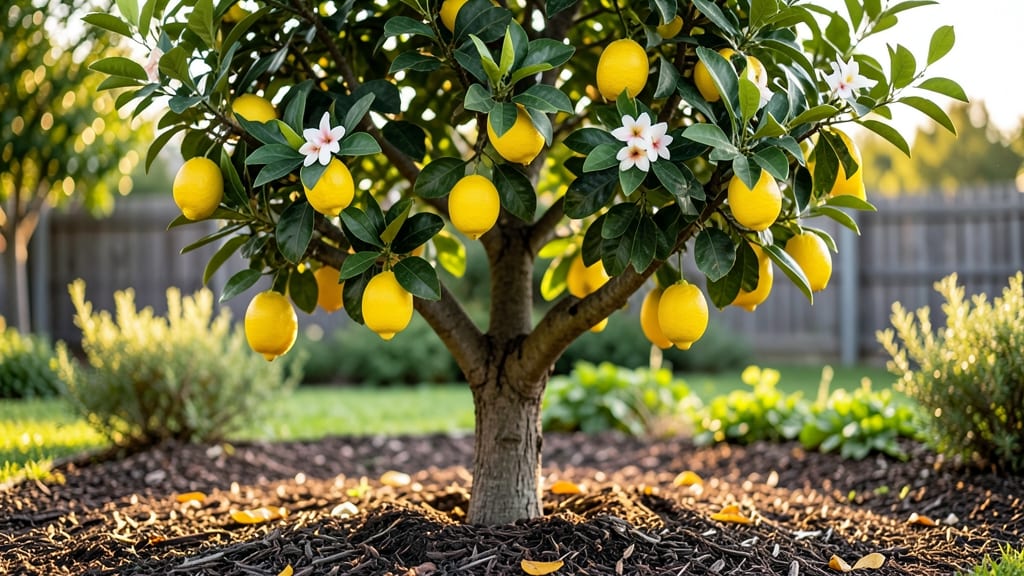
Your lemon tree thrives on the light requirements for a healthy lemon tree, needing at least 6 to 8 hours of direct light daily to grow strong and bear fruit.
Struggling to keep your lemon tree alive? The right light exposure could be the missing puzzle piece—too little sun stunts growth, while too much scorches leaves. Discover the exact sunlight balance your lemon tree needs to thrive and produce juicy fruit year after year.
Outdoors, place your lemon tree in a spot with unfiltered morning sun and gentle afternoon shade to avoid leaf burn. In colder climates, a south-facing location maximizes winter light, while indoor growers need bright, artificial solutions to mimic natural conditions.
Below, I’ll break down how to spot light issues, adjust for seasonal changes, and even turn a dim corner into a thriving lemon tree haven—no greenhouse required.


How many hours of sunlight does a lemon tree need daily?
Lemon trees are sun worshippers—without enough light, they’ll grow leggy and produce sparse fruit. As a citrus lover, I’ve learned the hard way that 6 to 8 hours of direct sunlight daily is the sweet spot for most varieties.
But did you know Meyer lemons can handle slightly less than their standard cousins? Let’s break down the exact light needs for your tree’s success.
The key to happy lemons starts with understanding their sunlight requirements. While all lemon trees crave light, their tolerance varies by type. Eureka and Lisbon varieties demand full sun, while Meyer lemons adapt better to partial shade.
Seasonal shifts also play a role—your tree’s needs change from summer’s blazing heat to winter’s weaker rays.
| Variety | Daily Sunlight Needs | Shade Tolerance | Fruit Production Impact |
|---|---|---|---|
| Meyer Lemon | 6-8 hours | Moderate (3-4 hours shade) | Good with less sun but fewer fruits |
| Eureka Lemon | 8-10 hours | Low (minimal shade) | Maximizes fruit quality |
| Lisbon Lemon | 8-10 hours | Low (minimal shade) | Thrive in full sun for best yield |
For Meyer lemons, I recommend placing them near a south-facing window if indoors or in a spot with morning sun and afternoon shade outdoors. These trees are more forgiving, but they’ll still reward you with sweeter fruit when given their preferred 6-8 hours of light.
In contrast, Eureka and Lisbon varieties need unfiltered sun to produce their signature tart, juicy lemons.
Seasonal adjustments are crucial, especially in winter months when daylight shrinks. If you notice your tree’s leaves thinning or fruit dropping, it’s time to supplement with grow lights or move it closer to a sunny window.
I’ve seen lemon trees in Zone 8 climates struggle when winter days dip below 4 hours of sunlight—their growth nearly stalls until spring.
Measuring light exposure accurately doesn’t require fancy tools. Start with the shadow test: Place a stick in your garden at solar noon and measure its shadow. If it’s half the stick’s length, you’re likely getting 6+ hours of sun.
For precision, use a light meter (like the Apogee SQ-500) to track photosynthetically active radiation (PAR). Aim for 1,000–1,500 µmol/m²/s for optimal citrus growth.
If you’re growing lemons in containers, rotate the pot every few weeks to ensure even light exposure. Uneven sunlight causes lopsided growth and weak stems.
I once had a Meyer lemon in a north-facing balcony that grew 3 inches taller on one side—a clear sign it needed to be turned! Pro tip: Use a reflective surface like white paint on walls to bounce extra light onto your tree.
In hot climates (like Zone 10+), afternoon shade becomes essential to prevent leaf scorch. I’ve used 50% shade cloth during peak summer hours (12 PM–4 PM) to protect my Lisbon lemons without sacrificing their sunlight needs. This simple trick keeps leaves vibrant and fruit production steady.
Remember, young lemon trees are more sensitive to light changes than mature ones. When transplanting, acclimate them gradually to full sun over 2–3 weeks to avoid sunburn. I’ve seen seedlings go from lush green to crispy brown overnight when moved too quickly—don’t make that mistake!
For indoor growers, a south-facing window is your best bet, but even that may not provide enough light in winter. Supplement with a LED grow light (like the Samsung LC27J751) placed 12–18 inches above the tree for 12–14 hours daily.
This mimics natural daylight and keeps your lemon tree thriving year-round.
Now that you know the exact sunlight balance your lemon tree needs, you’re one step closer to harvesting juicy, homegrown lemons. Start by checking your tree’s current light exposure, then adjust as needed—your future lemonade will thank you! ☀️🍋🌱
Signs your lemon tree isn’t getting enough (or too much) light
Your lemon tree might be silently screaming for help if its leaves are telling a different story than you expected. Yellowing leaves or brown patches aren’t just random—these are direct messages about its light exposure.
Too little sun weakens stems, while too much can scorch delicate foliage. Let’s decode these signs so you can give your tree the perfect sunlight balance it craves.
Start by observing the leaf color and new growth. If leaves turn pale green or yellow, especially on the lower branches, your tree is likely light-deprived. These leaves may also feel soft and weak, a clear sign of insufficient photosynthesis.
On the flip side, crispy brown edges or dropping leaves signal light burnout, often from harsh afternoon sun without proper acclimation.
Stunted growth is another red flag. If your lemon tree grows slowly or lacks vigorous branches, it’s probably not getting enough light. Even if it’s outdoors, nearby structures or dense foliage might be casting unwanted shade. Fewer blooms or no fruit? That’s your tree’s way of saying, “I need more sunlight to produce lemons!”
Lemon Tree Light Requirements: Quick Fixes
✅ Too Little Light
- Pale leaves → Move to sunnier spot
- Weak stems → Use grow lights indoors
- No fruit → Ensure 6+ hours sun
❌ Too Much Light
- Brown patches → Provide afternoon shade
- Leaf drop → Use light fabric for filtering
- Scorched tips → Gradually acclimate to sun
For indoor lemon trees, place them near a south-facing window where they can soak up 6+ hours of direct sunlight. If natural light is lacking, supplement with a full-spectrum LED grow light for 12–14 hours daily.
Rotate the pot weekly so all sides get even exposure—this prevents lopsided growth and ensures balanced light absorption.
Outdoor trees need morning sun and filtered afternoon light, especially in hot climates. If your tree is in a container, move it to a shadier spot during peak heat (12–3 PM) to avoid leaf burn.
Mulch the soil with organic matter to help retain moisture and reduce stress from fluctuating temperatures.
Create a quick diagnostic checklist to assess your lemon tree’s light needs: ☑️ Are leaves yellowing or pale? → More light needed. ☑️ Do leaves have brown edges or crispy spots? → Too much direct sun. ☑️ Is growth slow or weak? → Increase sunlight gradually. ☑️ Are there no blooms or fruit? → Optimize light exposure immediately.
By addressing these signs early, your lemon tree will reward you with lush foliage and abundant lemons all season long! 🍋