
Pruning
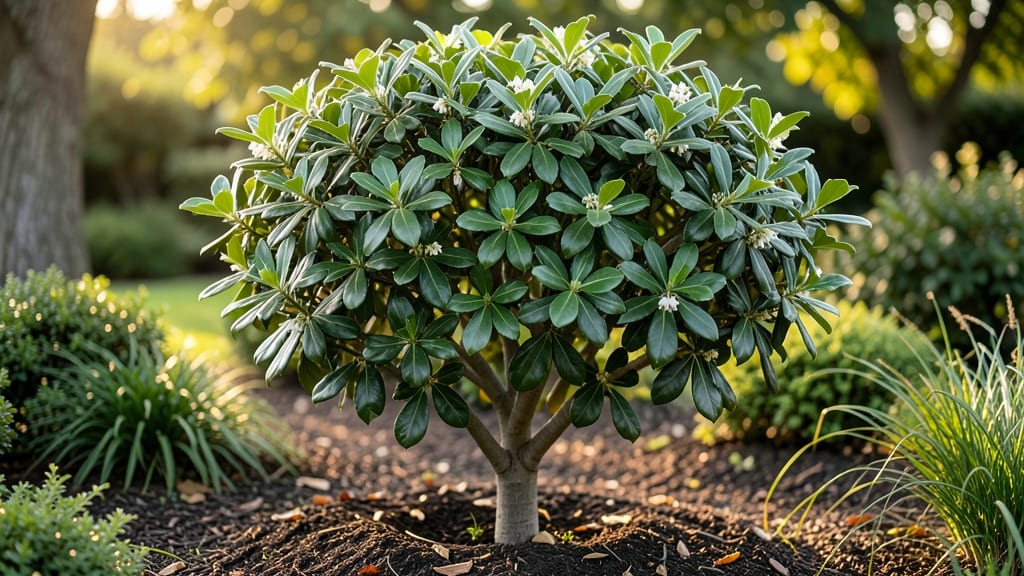
My laurel tree care routine changed everything after that first winter—what started as a scraggly bush transformed into a thriving, dense hedge that neighbors envy. 🌿 The secret isn’t just when to trim but how: layering cuts at the right times keeps it lush without stressing the plant.
I’ll show you the exact timing and technique that works for both formal hedges and natural-looking shrubs.
Laurel trees are forgiving but need three things to stay healthy: well-draining soil, consistent moisture, and strategic pruning—never more than a third of the plant at once. Most people over-prune in spring, which leads to leggy growth.
Instead, I focus on light trims in late winter and shaping cuts in early summer after new growth appears. The result? A plant that stays compact, green, and productive year-round.
By summer’s end, you’ll notice something magical: the new growth filling in gaps instantly, and the leaves staying glossy even in heat. The key is sharp tools, clean cuts, and avoiding bare spots—laurel hates being sheared too short.
For advanced gardeners, I’ll share how to encourage blooms (yes, laurel can flower!) and troubleshoot common pests like spider mites without harsh chemicals.
Whether you’re shaping a formal hedge or letting it grow wild, these techniques work for any laurel variety. The best part? Once you master the rhythm, maintenance becomes second nature—and your yard will thank you with year-round greenery that never looks tired. Let’s get those shears ready!
📚 In This Guide
- What you need
- Instructions
- Tips and common mistakes
- Wrapping up and next steps
What you need
- ● Pruning shears (bypass or anvil type) – Choose sharp, high-quality shears (8-10" blade) for clean cuts. Disinfect with rubbing alcohol between cuts to prevent disease.
- ● Loppers (for thicker branches) – Opt for 18-24" bypass loppers with ergonomic handles for branches ½" to 2" in diameter.
- ● Pruning saw (for stubborn branches) – A curved-tooth saw (10-12" blade) works best for branches 2" and thicker.
- ● Gloves (cut-resistant) – Heavy-duty gardening gloves (leather or Kevlar) to protect hands from thorns and rough bark.
- ● Ladder or step stool – A stable, extendable ladder (12-16' height) or foldable step stool for taller trees.
- ● Heavy-duty trash bags – 20-30 gallon bags for collecting pruned branches and debris.
- ● Rubbing alcohol (70% isopropyl) – 1 small bottle for sterilizing tools between cuts.
- ○ Pruning sealant (optional but helpful) – A latex-based sealant to cover large cuts (over ½" diameter) and prevent disease.
- ● Extension pole pruners – For high branches without a ladder (12-16' reach).
- ● Safety glasses – Protects eyes from debris, especially when using a pruning saw.
- ● Knee pads or a stool – For comfort during ground-level trimming.
- ● Sharpie or marker – To label cuts for future reference (e.g., "Remove in Spring").
- ● Compost bin or mulch – For repurposing small pruned branches as mulch.
Step-by-Step laurel tree care: year-round trimming for healthy growth
Here's my foolproof method for keeping laurel trees lush, pest-free, and thriving through every season.
✂️ Step 1: Spring Pruning to Encourage New Growth
Start in early spring, just as new buds swell but before leaves emerge. This timing ensures you cut back at the right moment—too early and you remove last year's growth; too late and you sacrifice energy the tree needs for flowering. Use sharp, sterilized pruning shears to make clean cuts at a 45-degree angle just above a leaf node or outward-facing bud.
Remove any dead, crossing, or inward-growing branches first. These compete for resources and create weak entry points for disease. I like to step back every few cuts to visualize the shape—laurel trees respond beautifully to open, airy structures. Never remove more than 25% of the canopy in one season, or you'll shock the tree.
☀️ Step 2: Summer Maintenance for Bushy Foliage
Throughout summer, monitor for leggy growth or branches growing toward the center. Laurel trees self-prune to some extent, but a little guidance keeps them denser. Pinch back new growth tips by ⅓ to ½ their length when they reach 6-8 inches—this triggers bushier branching. I do this every 4-6 weeks during active growth.
Watch for yellowing leaves, which signal overwatering or poor drainage. Laurel trees prefer well-draining soil and tolerate drought better than soggy roots. If you see leaf drop in summer heat, water deeply but infrequently—1-2 inches per week is plenty unless your climate is extremely dry.
✂️ Step 3: Fall Cleanup to Prepare for Winter
In late fall, remove any diseased, damaged, or dead branches before winter dormancy. This prevents pests and pathogens from overwintering in the tree. Cut back any overly vigorous shoots that grew during summer—these often have weaker wood. I also shape the tree lightly to maintain its natural form, avoiding drastic cuts that could stimulate late-season growth.
Apply a 2-3 inch layer of mulch around the base (but not touching the trunk) to insulate roots. Laurel trees are hardy but benefit from this extra protection in colder climates. Avoid heavy pruning now—you want the tree to enter dormancy with its energy reserves intact.
🌱 Step 4: Winter Inspection and Light Pruning
Winter is the best time to assess the tree's structure. Look for weak branches that may have been missed in fall or any that have died back over winter. Prune these out while the tree is dormant—there's no risk of spreading disease through open wounds. I also remove any seed pods that formed, as these drain energy the tree could use for new growth in spring.
Check for signs of pests like scale or spider mites, which often appear in winter. A gentle spray with horticultural oil (if temperatures stay above 40°F) can prevent infestations. Avoid heavy pruning now—you're just tidying up, not shaping the tree.
Tips & tricks for perfect laurel tree trimming
Here's what I've learned after years of shaping laurel trees—these details make all the difference between a healthy specimen and one struggling to recover.
Tool Preparation: Sterilize your pruning shears with rubbing alcohol between cuts, especially when removing diseased branches in Step 3. I keep a small spray bottle of diluted bleach solution (1 part bleach to 9 parts water) handy for quick disinfection. Sharp tools make cleaner cuts that heal faster and reduce stress on the tree—dull blades tear tissue, inviting infections.
Seasonal Timing Secret: In Step 1, if you miss the early spring window, don't panic. You can still prune in late spring, but avoid cutting back more than 15% of the canopy to prevent shock. The key is to never remove leaves that are actively photosynthesizing—they're the tree's energy source. I've seen laurel trees recover beautifully even from slightly late pruning as long as we respect this rule.
Visual Growth Cues: For summer pinching in Step 2, look for new shoots that are growing taller than they are wide—these are your leggy culprits. The ideal time to pinch is when you can see three sets of leaves on the stem; this ensures you're cutting back at a leaf node that will produce new growth. I use my thumbnail as a guide—when the new growth reaches about the length of my nail, it's time to pinch.
Mulch Application Wisdom: When adding that 2-3 inch mulch layer in Step 3, use organic materials like shredded bark or compost. Inorganic mulches can trap too much moisture against the trunk. I always rake mulch away from the trunk itself to prevent rot—laurel trees hate wet feet. A 2-inch radius clear zone around the trunk is ideal for airflow.
Pro Tips for Laurel Tree Care
- Here's what I've learned after years of shaping laurel trees—these details make all the difference between a healthy specimen and one struggling to recover.
- Tool Preparation: Sterilize your pruning shears with rubbing alcohol between cuts, especially when removing diseased branches in Step 3.
- Seasonal Timing Secret: In Step 1, if you miss the early spring window, don't panic.
Frequently asked questions
Got questions about keeping your laurel tree lush and thriving? Here are answers to the most common concerns—no green thumb required!
When is the best time to prune my laurel tree?
The ideal time is late winter or early spring (just before new growth starts). This helps shape the tree while avoiding stress during extreme heat or cold. For light maintenance, you can trim lightly in summer—but avoid heavy pruning then, as it can shock the plant. Pro tip: If you miss the window, fall is your next best bet, but stop by October to let the tree recover before winter.
How much can I trim without harming the tree?
Laurel trees are tough, but never remove more than 25% of the foliage in one session. Over-pruning stresses the tree, leading to weak growth or disease. Focus on selective trimming—cut back leggy branches or overgrowth to encourage bushier growth. If your tree looks sparse, spread trimming over 2-3 years instead of one aggressive session.
Why are my laurel leaves turning yellow or brown?
Yellowing leaves often signal overwatering or poor drainage, while brown edges can mean underwatering or sunburn. Check the soil—it should stay slightly moist but not soggy. If pests like spider mites or aphids are the culprit, hose them off or use neem oil for a natural fix. Pro tip: Mulch around the base to retain moisture and protect roots from temperature swings.
Can I grow a laurel tree from cuttings?
Laurel trees propagate easily from softwood cuttings (taken in spring or summer). Dip the cut end in rooting hormone, plant in moist potting mix, and cover with a plastic bag to retain humidity. Keep in bright, indirect light and mist daily. Roots should form in 4-8 weeks. Bonus: This method preserves the parent plant’s exact traits!
How do I protect my laurel tree in winter?
Laurel trees tolerate cold but benefit from light protection in harsh winters. Wrap the trunk with burlap or tree guard to shield against windburn. If you’re in a Zone 7 or colder, mulch heavily (3-4 inches) around the base to insulate roots. Avoid heavy pruning in fall—wait until spring to let the tree conserve energy. Pro tip: Evergreen laurel? A light dusting of anti-desiccant spray prevents winter browning.
What’s a good alternative if my laurel tree isn’t thriving?
If your laurel struggles with your climate or soil, consider similar low-maintenance shrubs like boxwood, privet, or holly. For a fragrant option, try rosemary or lavender—both thrive in similar conditions but offer different textures and scents. Need a fast-growing hedge? Check out ligustrum or cherry laurel (a hardier cousin of English laurel).
Wrapping up and next steps
Caring for your laurel tree doesn’t have to be a mystery—with the right techniques, you’ll enjoy lush, vibrant growth all year long! 🌿 From seasonal trimming to proper tool use, these secrets will keep your tree thriving while saving you time and effort.
Now that you’re armed with expert tips, grab those shears and get pruning! Start small—maybe tackle one branch at a time—and watch your laurel tree flourish with minimal stress.
Pro tip: Schedule a quick check-in every few months to spot early signs of overgrowth or pests. Happy gardening! 🌱