
Pruning
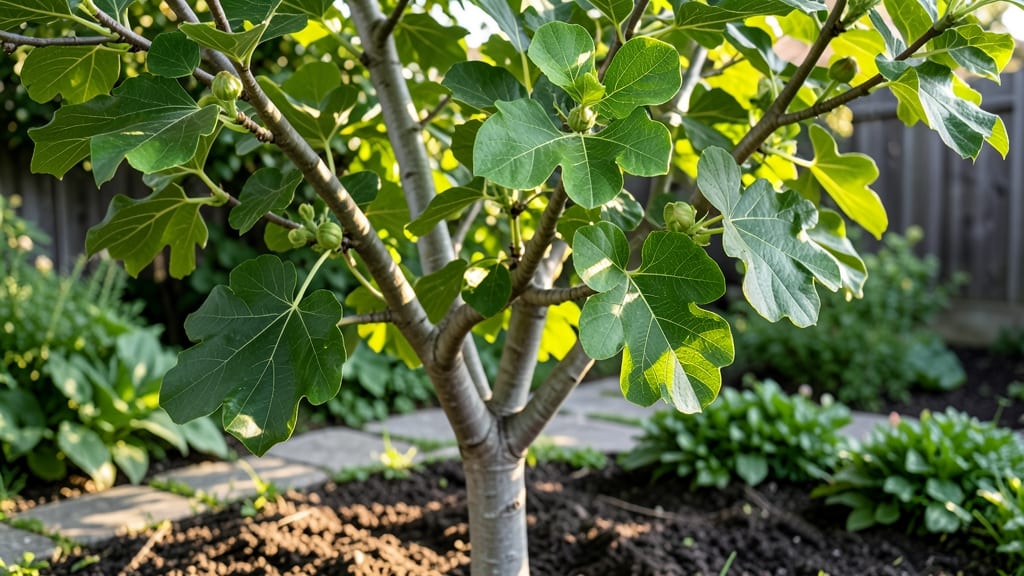
Spring fig tree pruning transforms a tangle of branches into a fruit-loaded powerhouse by summer. ✂️ I’ve pruned figs for years, and the difference between a messy bush and a productive tree comes down to three simple cuts—made at the right time.
The key? Timing it after your last frost but before new growth explodes. You’ll need sharp pruners, a bucket for clippings, and about 30 minutes to work through the branches. Focus on removing dead wood first, then thinning out crowded stems to let light and air circulate.
Fig trees reward precision pruning with heavier fruit and easier harvesting. By late spring, you’ll see fresh green leaves pushing from the cuts, signaling the tree is healing—and gearing up for its first big harvest. The best part?
Proper pruning now means fewer pests, better air flow, and fruit that ripens earlier and more uniformly. Works for both container-grown figs and in-ground trees, whether you’re in Zone 7 or 10. Here’s exactly how to do it right.
📚 In This Guide
- What you need
- Instructions
- Tips and common mistakes
- Wrapping up and next steps
What you need
- ● Pruning shears: Bypass pruners (sharp, 6-8" blades) for clean cuts on small branches.
- ● Loppers: 8-10" bypass loppers for thicker branches (½"–1½" diameter).
- ● Pruning saw: Curved-tooth handsaw for branches thicker than 1½".
- ● Disinfectant: 70% isopropyl alcohol or bleach solution (1:9 ratio) to sterilize tools between cuts.
- ● Gloves: Heavy-duty gardening gloves (thorn-resistant if your fig tree has spiky varieties like Brown Turkey).
- ○ Pruning sealant: Optional but helpful (e.g., Tree Wound Pruning Seal) for cuts larger than ½".
- ● Extension pole: Adjustable 6-10' reach (for tall fig trees).
- ● Bucket or bag: For collecting pruned branches (compost or dispose of).
- ● Hand lens: For inspecting buds or pests up close.
- ● Marking twine: To flag branches for removal before cutting.
- ● Safety glasses: Protect your eyes from debris.
- ● Knee pads: For comfort if you’re kneeling frequently.
Step-by-step guide to pruning your fig tree in spring
Spring is the perfect time to shape your fig tree for a fruitful year—here’s how to do it right.
✂️ Step 1: Remove Dead or Damaged Wood First
Start by inspecting your fig tree for any branches that are dead, broken, or diseased. Dead wood is easy to spot—it’s brown, brittle, and won’t snap when bent. Diseased branches may have black spots, oozing sap, or unusual growths. Use sharp pruning shears to cut these branches back to the main trunk or a healthy bud.
This step is critical because dead or diseased wood can spread problems to the rest of the tree. If you’re unsure whether a branch is dead, make a small cut—if it’s green inside, it’s still alive. If it’s brown and dry, it’s time to remove it. I always prune these first to keep my tools clean and avoid spreading any potential infections.
✂️ Step 2: Thin Out Crowded Branches for Better Airflow
Next, focus on thinning out the canopy to improve airflow and sunlight penetration. Look for branches that cross each other or grow inward—they’ll rub against one another and create wounds where pests or diseases can enter. Remove about 20-30% of the branches that are competing for space, cutting them back to the main trunk or a strong outward-facing bud.
Thinning isn’t about removing leaves or small twigs—it’s about opening up the tree’s structure. You’ll know you’re doing it right when you can see light filtering through the branches and air moving freely around the center. This step also helps prevent fruit rot by reducing humidity trapped inside the tree.
✂️ Step 3: Shape the Tree for Optimal Fruit Production
Now it’s time to shape the tree to encourage strong growth and fruit production. Figs thrive when they have a balanced structure, so aim to create an open center with branches spaced evenly around the trunk. Focus on keeping the strongest, most vigorous branches and removing any that grow straight upward—these often produce less fruit and can become weak.
For young fig trees, you can prune to encourage a single main trunk with well-spaced branches. For older trees, prune to maintain a natural, balanced shape while removing any suckers (shoots growing from the base) unless you want to propagate new trees. Always cut just above a leaf bud or branch junction to promote healthy regrowth.
✂️ Step 4: Lightly Prune for Fruit Bearing Branches
Figs produce fruit on new wood, so you don’t need to cut back heavily. Instead, lightly prune the tips of branches to encourage bushier growth. Cut back the tips of last year’s growth by about 1/3 to 1/2 to stimulate new shoots. Avoid over-pruning—figs are resilient, but too much cutting can stress the tree and reduce fruit production.
Watch for any branches that are producing fruit but growing weakly. These can be pruned back to encourage stronger, more productive growth next season. If your fig tree is already loaded with fruit, resist the urge to prune too much—you want to balance growth and fruit production for a healthy harvest.
⏰ Step 5: Clean Up and Monitor for New Growth
After pruning, clean your tools with rubbing alcohol to prevent the spread of disease, and remove any fallen branches or debris from the base of the tree. Water the tree deeply to help it recover from the pruning stress. Over the next few weeks, keep an eye out for new shoots emerging from the pruned areas—these are signs that your tree is responding well.
In about 4-6 weeks, you should see fresh, vibrant growth. This is your cue that the pruning was successful. If you notice any yellowing leaves or slow growth, your tree might need additional care, like more sunlight or water. Figs are forgiving, but consistent monitoring ensures a bountiful harvest all season long.
Tips & tricks for pruning your fig tree in spring
Here's what nobody tells you about pruning—these tricks will help you avoid common mistakes and get a tree that thrives.
Tool Prep is Non-Negotiable: Before you even touch your fig tree, sharpen your pruning shears and clean them with rubbing alcohol. Dull blades tear wood instead of making clean cuts, and dirty tools spread disease. I've ruined multiple pruning sessions by skipping this step—don't make my mistake! The clean cuts you make will heal faster and look more professional. You can also sterilize your tools with a 10% bleach solution if you're working with diseased branches.
Timing Secret for New Growth: That 4-6 week window for new growth is your best indicator of success. If you don't see fresh shoots within 3 weeks, your tree might need more sunlight or water. I've learned to check the soil moisture first—figs hate soggy roots but also can't handle drought stress. Water deeply after pruning, then monitor the soil. Stick your finger in about 2 inches deep—if it's dry, give it another drink. The first flush of new growth after pruning is your reward for doing it right.
Branch Selection Strategy: When thinning those 20-30% of branches, prioritize removing any that grow straight up or inward. These vertical growers often produce less fruit and create shade that prevents sunlight from reaching the center. I like to visualize the tree as an open vase shape—you want light and air to flow through the middle. Also watch for branches that cross or rub against each other. These create wounds that become entry points for pests and diseases, which can ruin your harvest.
Pruning for Productivity: Remember that 1/3 to 1/2 cut on last year's growth? This is where the magic happens for fruit production. When you make these cuts just above a leaf bud, you're telling the tree "grow here" and encouraging bushier growth that will bear more fruit. I've seen trees go from sparse harvests to abundant fruit production just by making this one adjustment. If you're unsure where to cut, look for the small bump where a leaf used to be—this is your target spot.
Pro Tips for Fig Tree Spring
- Here's what nobody tells you about pruning—these tricks will help you avoid common mistakes and get a tree that thrives.
- Tool Prep is Non-Negotiable: Before you even touch your fig tree, sharpen your pruning shears and clean them with rubbing alcohol.
- Timing Secret for New Growth: That 4-6 week window for new growth is your best indicator of success.
Frequently asked questions
Got questions about timing, tools, or techniques for your fig tree spring pruning? You’re not alone! Here are some of the most common queries—and their expert answers—to help you prune like a pro and keep your tree thriving.
When is the exact best time to prune my fig tree in spring?
The ideal window is right after the last frost (typically late March to early April in most U.S. zones) but before new growth begins. If you miss spring, you can prune again in late summer—just avoid heavy pruning in fall or winter, as figs are sensitive to cold stress. Pro tip: Check your local frost dates and prune when temps stay above 50°F consistently!
Can I prune my fig tree too much? What are the signs?
Yes! Over-pruning stresses the tree and can reduce fruit production. Signs you’ve gone too far:
- No new leaves or shoots by mid-spring
- Exposed, bare branches (figs need foliage for energy)
- Fewer than 3–5 strong canes remaining
Will pruning my fig tree now affect this year’s fruit harvest?
Not if you do it correctly! Pruning in spring encourages healthier growth and more fruit by improving airflow and sunlight. However, avoid cutting back fruit-bearing branches (look for last year’s wood with visible scars). Focus on:
- Dead, diseased, or crossing branches
- Overcrowded growth
- Shaping the tree for better access
Do I need special tools for fig tree pruning?
You can start with basics, but a few fig-friendly tools make the job easier:
- Bypass pruners (for clean cuts on small branches)
- Loppers (for thicker branches up to 2 inches)
- Sterilized saw (for larger limbs—clean blades prevent disease!)
- Rubbing alcohol or bleach (to sterilize tools between cuts)
What if my fig tree doesn’t have any leaves after pruning?
Don’t panic! Fig trees are evergreen in warm climates but may drop leaves after heavy pruning. If it’s spring and you’ve cut back too much:
- Wait 2–3 weeks—new growth should sprout from the base or remaining canes.
- Ensure it’s getting 6+ hours of sunlight and well-draining soil.
- Fertilize lightly with citrus/fig-specific fertilizer (high in nitrogen for regrowth).
Wrapping up and next steps
Spring is the perfect time to give your fig tree the care it deserves, and with the right pruning techniques, you’ll be rewarded with abundant fruit and a healthier tree all year round! 🌿 Whether you’re a seasoned gardener or just starting, these fig tree spring trimming secrets will set you up for success.
Now that you’re armed with the knowledge, grab your pruners and get ready to transform your fig tree into a thriving, fruitful powerhouse.
Your next step? Mark your calendar for early spring—just as new growth begins—and roll up your sleeves! With patience and practice, your fig tree will thank you with sweet, sun-ripened rewards for seasons to come. Happy pruning! ✂️🌟