
Pruning
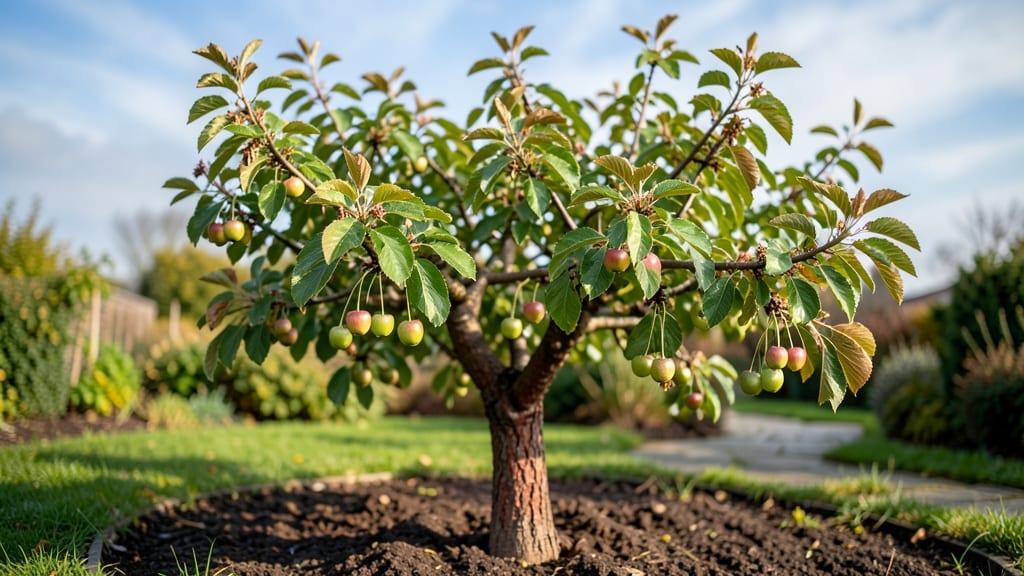
Summer pruning your cherry tree isn’t just about shaping branches—it’s about saving next year’s harvest while keeping your tree healthy through brutal heat. 🌳 I’ve watched too many trees struggle through summer droughts and pest invasions, only to recover with the right cuts at the right time.
The key is timing: prune after fruit harvest but before the heat peaks, and you’ll encourage stronger growth without stressing the tree.
You’ll need sharp pruning shears, a ladder (for higher branches), and a bucket of water to clean cuts. Focus on removing dead, crossing, or diseased branches first—they’re the biggest threats to your tree’s health.
Then thin out the canopy by about 20% to improve airflow, which cuts down on fungal diseases that thrive in summer humidity. Every cut should be clean and angled just above a bud or branch collar.
What you’ll end up with is a cherry tree that handles summer heat better, produces more fruit next season, and looks fuller by autumn. The right cuts now mean fewer pests, less water waste, and a stronger structure to support heavy fruit loads.
Plus, you’ll avoid the heartbreak of seeing birds strip your tree bare or branches snap under summer storms.
This works for both sweet and tart cherries, whether you’ve got a young sapling or a mature tree. The same principles apply—just scale the tools and effort to your tree’s size. Let’s get those branches trimmed before the heat sets in for good.
📚 In This Guide
- What you need
- Instructions
- Tips and common mistakes
- Wrapping up and next steps
What you need
- ● Pruning shears: Sharp, bypass-style shears (for cuts under ½ inch thick). Quantity: 1 pair.
- ● Loppers: For branches ½ to 1½ inches thick. Quantity: 1 pair.
- ● Pruning saw: For branches thicker than 1½ inches. Quantity: 1.
- ● Disinfectant: 70% rubbing alcohol or pruning sealant (to prevent disease spread). Quantity: Small bottle.
- ● Gloves: Heavy-duty, cut-resistant gloves (to protect hands from thorns and debris). Quantity: 1 pair.
- ● Ladder or step stool: Sturdy and tall enough to reach the highest branches safely. Height: 6+ feet (adjust based on tree height).
- ● Trash bags: For collecting pruned branches. Quantity: 2–3 large bags.
- ● Notebook & pen: To jot down notes on cuts made (helpful for tracking growth). Quantity: 1.
- ● Pruning paint: For sealing large cuts (reduces sap oozing). Quantity: Small bottle.
- ● Tree wound dressing: (Controversial but some swear by it for healing cuts). Quantity: 1 tube.
- ● Extension pole: For reaching high branches without a ladder. Length: 6–10 feet.
- ● Safety glasses: To protect eyes from debris. Quantity: 1 pair.
- ● Pole saw: For very tall trees (if ladders aren’t an option). Quantity: 1.
Step-by-Step guide to summer pruning your cherry tree
Summer trimming keeps your cherry tree healthy and productive—here's how to do it right.
☀️ Step 1: Time Your Pruning for Optimal Growth
Prune your cherry tree during late spring to early summer, just after the second flush of new growth appears. This timing ensures you remove only non-fruiting wood while leaving the current season's fruit-bearing branches intact. Avoid pruning during hot, dry spells—the tree needs time to heal before stress.
Look for new shoots that have hardened off (turned woody) but haven’t yet started flowering for next year. These are the branches you’ll focus on. If you prune too early, you risk removing buds that would have produced fruit. If you wait too long, you may encourage suckers or weak growth.
✂️ Step 2: Remove Dead, Diseased, or Crossing Branches
Start by inspecting the tree for dead branches (no leaves, dry wood) or diseased wood (discolored, oozing sap, or fungal spots). Use clean, sharp pruners to cut these out at the branch collar—the swollen area where the branch meets the trunk. Never leave stubs; this invites decay.
Next, identify crossing or rubbing branches—these create wounds where pathogens can enter. Make your cuts just outside the branch collar, at a 45-degree angle if needed, to encourage proper healing. If a branch is too large to cut cleanly, make a three-cut method to avoid tearing the bark.
🌿 Step 3: Thin Out Overcrowded Areas for Better Airflow
Cherry trees thrive with good airflow, so focus on thinning rather than topping. Remove up to 25% of the canopy by selecting branches that are too close together or growing inward. Prioritize smaller branches first—they’re easier to manage and won’t shock the tree as much.
Watch for water sprouts (fast-growing, vertical shoots) and suckers (shoots from the base). These steal energy from fruit production. Cut them back to the main trunk or scaffold branch using clean cuts. If you see leafy growth at the base, these are likely suckers—remove them entirely to redirect energy upward.
⏰ Step 4: Shape the Tree for Balanced Growth
Step back and assess the tree’s natural shape. Cherry trees benefit from an open-center form, where light penetrates to the center. If the tree is too dense at the top, select 3-4 main scaffold branches and prune back competing branches to one-third of their length to encourage outward growth.
For young trees, focus on training the structure—remove branches growing straight upward (they’ll break under fruit weight) and low-hanging branches (they encourage disease). Use hand pruners for branches under ½ inch thick and loppers for thicker branches, always cutting just above a bud or side branch to promote new growth.
💧 Step 5: Post-Pruning Care for Faster Recovery
After pruning, water deeply to help the tree recover. Mulch the base with 2-3 inches of organic mulch (like wood chips) to retain moisture and protect roots. Avoid piling mulch against the trunk—keep it 2-3 inches away to prevent rot.
Monitor the tree for signs of stress (wilting, yellowing leaves) in the 2-3 weeks after pruning. If needed, apply a balanced fertilizer (10-10-10) to support new growth. Pruning wounds should seal over in 2-4 weeks—if they ooze sap or darken, treat with pruning sealant to prevent infection.
Tips & tricks for perfect cherry tree summer pruning
Summer trimming might seem intimidating, but these key insights will help you prune like a pro—without stressing your tree.
Timing is Everything: The window for summer pruning is narrow but critical. Focus on the period between the second flush of growth and when buds form for next year's fruit. This ensures you're only removing non-fruiting wood while preserving this year's harvest. I've seen trees stressed by pruning during heatwaves—always check the forecast and avoid pruning when temperatures exceed 85°F for more than a few days.
Tool Prep Makes All the Difference: Your pruners should be as sharp as a chef's knife. Dull blades crush wood, creating larger wounds that take longer to heal. I sterilize my tools with rubbing alcohol between cuts on different trees to prevent spreading disease. For branches thicker than 1 inch, consider a bypass pruner—they make cleaner cuts than anvil pruners, which can tear bark.
Visual Cues for Better Decision-Making: When thinning branches in Step 3, look for the "branch collar" - that swollen ridge where the branch meets the trunk. This is your target cutting point. A good trick is to imagine sunlight filtering through your tree's canopy - if you can see light reaching the center, you're doing it right. For water sprouts (those fast-growing vertical shoots), cut them back to a lateral branch or the main trunk to redirect energy where you want it.
Post-Pruning Recovery Strategy: The 2-3 inches of mulch mentioned in Step 5 isn't just decoration - it's a protective shield. I always add a 2-inch layer of wood chips, keeping it clear of the trunk to prevent rot. For young trees, consider adding a 1-inch layer of compost mixed into the topsoil around the drip line (where branches naturally extend). This gives them an extra nutrient boost during their recovery period.
Pro Tips for Cherry Tree Summer
- Summer trimming might seem intimidating, but these key insights will help you prune like a pro—without stressing your tree.
- Timing is Everything: The window for summer pruning is narrow but critical.
- Tool Prep Makes All the Difference: Your pruners should be as sharp as a chef's knife.
Frequently asked questions
When is the best time to prune a cherry tree in summer?
The ideal window is late spring to early summer (after flowering but before heavy fruit set). For sweet cherries, avoid pruning too late—it can stress the tree before winter. Sour cherries are more flexible but still benefit from timely trims to prevent disease spread.
Why should I prune in summer instead of winter?
Summer pruning reduces disease risk (like silver leaf fungus) by removing infected branches early. It also stimulates new growth for a stronger harvest next season. Winter pruning can shock tender cherry wood, while summer lets you monitor health in real time.
How do I know which branches to cut? What’s the “right” amount?
Focus on:
- Dead/diseased wood (cut to healthy tissue).
- Crossing or rubbing branches (remove one to prevent wounds).
- Water sprouts (vertical shoots—trim to ¼ inch above a bud).
Will pruning now affect my cherry harvest this year?
Minor pruning (like shaping or removing a few branches) won’t hurt current fruit production. However, heavy cuts (over 30% of foliage) may reduce yields temporarily. Prioritize structural health—your tree will thank you with bigger harvests next season!
What if my cherry tree gets infected after pruning?
Prevent issues by:
- Using sterilized tools (rubbing alcohol or bleach).
- Sealing cuts with pruning sealant (optional for cherries; focus on clean cuts).
- Watering deeply post-prune to reduce stress.
Wrapping up and next steps
Summer is the perfect time to shape your cherry tree for a thriving future!
By following strategic pruning techniques—like removing dead branches, thinning for airflow, and encouraging new growth—you’ll set the stage for abundant blooms and fruit next season. 🌿 With the right tools, timing, and care, your tree will reward you with years of vibrant health and delicious harvests.
Ready to take action? Grab your pruners and schedule your next pruning session—whether it’s a quick maintenance trim or a full rejuvenation. Your cherry tree’s summer glow is just one cut away! 🌞