
Pruning
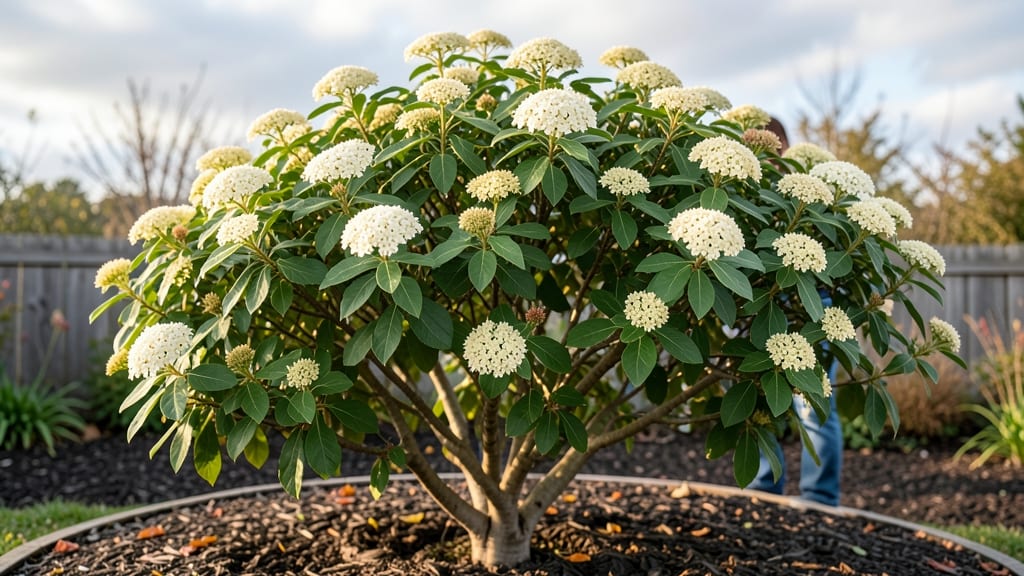
The height of a Viburnum tree can transform your garden from a cozy nook to a towering statement piece — or keep it neatly tucked into a corner, depending on the variety you choose.
Picture this: a 15-foot Viburnum plicatum ‘Shasta’ arching over a patio, its layers of blooms cascading like snow in spring, while a dwarf Viburnum tinus stays under 6 feet for a tidy hedge.
That’s the beauty of viburnums — they offer fast growth and dramatic height differences, all while being low-maintenance.
But here’s the catch: without the right pruning, even a compact variety can outgrow its welcome. Below, I’ll break down the fastest-growing species, how to control their height, and which ones to pick for small spaces or bold focal points.
You’ll leave here knowing exactly which viburnum fits your yard — whether you want a quick privacy screen or a graceful accent that doesn’t need constant trimming.

How tall do Viburnum trees grow? Height ranges by fastest-growing varieties
When planning your garden layout, knowing the mature height of your viburnum trees is essential. These versatile shrubs range from petite dwarf varieties under 5 feet to towering specimen trees exceeding 15 feet.
The right choice depends on your space—whether you need a privacy hedge, a focal point, or a low-maintenance border. Let’s explore the fastest-growing viburnums and their height potential to help you make the perfect selection.
Viburnums are prized for their seasonal interest, from spring blooms to fall berries, but their size varies dramatically. Some, like Viburnum bodnantense, grow slowly but reach impressive heights, while others like Viburnum plicatum burst into growth early and can double in size within a few years.
Understanding these differences ensures you pick a variety that fits your garden vision without outgrowing its welcome.
| Variety | Mature Height | Growth Rate | Best For |
|---|---|---|---|
| Viburnum plicatum 'Shasta' | 10–15 ft | Fast (3–5 ft/year) | Specimen trees, hedges |
| Viburnum dentatum | 8–12 ft | Moderate (2 ft/year) | Native gardens, wildlife |
| Viburnum bodnantense | 6–10 ft | Slow (1–2 ft/year) | Winter interest, small yards |
| Viburnum opulus 'Roseum' | 5–8 ft | Moderate (1.5 ft/year) | Borders, containers |
| Viburnum tinus 'Gwenllian' | 3–5 ft (dwarf) | Slow (6–12 in/year) | Small spaces, year-round color |
The Viburnum plicatum 'Shasta' is a standout for its rapid growth, making it ideal if you need a quick privacy screen or a dramatic landscape focal point. In just 3–5 years, it can reach its mature height of 10–15 feet, offering lush layers of snowball-shaped blooms in spring.
For smaller gardens, Viburnum tinus 'Gwenllian' stays compact at 3–5 feet, perfect for foundation plantings or container gardening.
If you’re aiming for a balanced growth rate, Viburnum dentatum strikes a sweet spot, growing 2 feet per year to a mature height of 8–12 feet. This variety is also a wildlife magnet, attracting birds with its berries.
For those who love winter interest, Viburnum bodnantense delivers fragrant flowers in late winter but grows more slowly, reaching 6–10 feet over a decade.
Choosing the right viburnum isn’t just about height—it’s also about how it fits into your garden ecosystem.
For example, Viburnum opulus 'Roseum', with its pink pom-pom blooms, thrives in partial shade and grows to 5–8 feet, making it perfect for woodland gardens or as a low-maintenance hedge. Always consider your local climate and soil conditions to ensure your viburnum reaches its full potential.
Pro tip: Plant your viburnum in well-draining soil with partial sun exposure to encourage healthy growth. Overwatering can stunt their development, so aim for consistent moisture without soggy roots.
Mulching around the base also helps retain moisture and regulates soil temperature, which is key for fast-growing varieties like Viburnum plicatum.
For gardeners with limited space, dwarf viburnums like Viburnum tinus are game-changers. They offer the same seasonal beauty and low-maintenance appeal without dominating your yard. Pair them with companion plants like heuchera or fern to create a layered, textured border.
Meanwhile, taller varieties can anchor your garden’s back corners or serve as a natural trellis for climbing plants.
Remember, even the fastest-growing viburnums can be pruned to control height. Regular trimming in late winter or early spring encourages bushier growth and prevents overcrowding. Use sharp pruners to make clean cuts just above a leaf node, and avoid cutting into old wood, which may not regenerate.
With the right care, your viburnum can thrive for decades, adapting to your garden’s evolving needs.
Whether you’re dreaming of a romantic cottage garden or a modern minimalist landscape, viburnums offer unmatched versatility. By selecting the right height and variety, you’ll create a low-maintenance, high-impact addition that brings year-round interest to your outdoor space. Happy planting!
Pruning techniques to control Viburnum tree height & shape
Pruning your viburnum tree is the key to managing its height and shape while keeping it healthy. Whether you want a compact shrub or a taller specimen tree, the right pruning techniques make all the difference.
The best time to prune is late winter or early spring, just before new growth begins—this ensures you’re not cutting into next year’s blooms or disrupting the plant’s natural cycle.
Start by gathering your tools: a pair of clean, sharp pruning shears for smaller branches and a pruning saw for thicker stems. Always disinfect your tools with rubbing alcohol to prevent spreading disease between cuts.
My go-to method for height control is selective pruning, where I remove only the tallest stems to encourage a fuller, bushier shape rather than a single dominant leader.
⚠️ WARNING: Pruning Mistakes That Stunt Your Viburnum Pruning at the wrong time or using the wrong technique can harm your viburnum. Avoid cutting back into old wood after flowering, as this removes next year’s blooms.
Never remove more than one-third of the plant’s foliage in a single session, or you risk shocking the tree. Also, skip pruning in fall or winter, as this can expose the plant to frost damage. Timing and moderation are everything!
To encourage a bushier shape, focus on pruning the inner branches that cross or rub against each other. These competing stems drain energy from your viburnum, so removing them redirects growth outward.
For a taller, more vertical tree, prune the lower branches to create a natural tiered effect, leaving the upper canopy to grow freely. Always cut just above a bud or branch collar to promote faster healing and reduce the risk of disease.
Another pro tip: Thin out dense areas by removing a few branches all the way back to the trunk. This improves airflow and sunlight penetration, which reduces the risk of fungal diseases like powdery mildew.
I also recommend light pruning throughout the growing season to shape the tree gradually, rather than doing a heavy prune all at once. This approach keeps the stress on the plant minimal while achieving your desired look.
If your viburnum has grown too tall for its space, you can gradually reduce its height over a few years. Each year, remove 1-2 feet of growth from the topmost branches, cutting just above a healthy outward-facing bud.
This method prevents the tree from becoming top-heavy and encourages new growth lower down. Pair this with regular watering and mulching to help the tree recover quickly from pruning stress.
Finally, don’t forget to step back and assess your viburnum’s shape after pruning. Fill in any gaps with new growth by selectively trimming back the outermost branches to create a balanced silhouette.
With patience and practice, you’ll master the art of pruning to keep your viburnum at the perfect height and shape for your garden. Happy pruning!