
Pruning
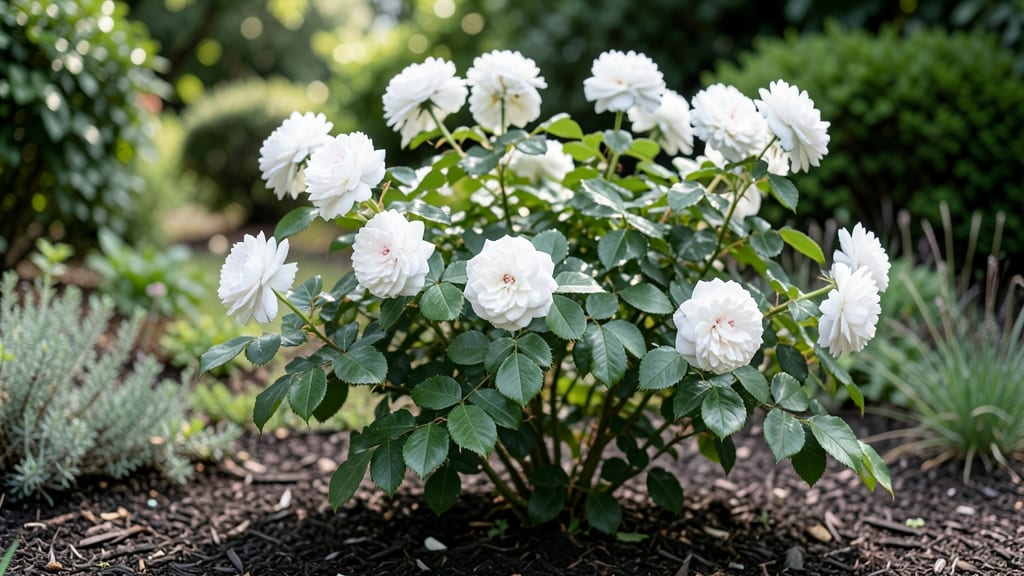
Pruning an Iceberg Tree Rose isn't just about shaping—it’s about unlocking year-round blooms that’ll make your neighbors green with envy. 🌿 I’ve seen this rose go from a sad, leggy mess to a cloud of white flowers by simply cutting back at the right times.
The secret lies in understanding its growth habits and when to encourage new shoots.
This rose thrives on three pruning sessions—light in spring, heavy in summer, and minimal in winter. Most people over-prune, which stresses the plant and reduces flowers. Instead, focus on selective cuts to open the center for airflow and sunlight, while keeping the natural shape.
A sharp pair of pruners and a clear day are all you need to get started.
What you’ll end up with is a dramatic display of blooms from spring through frost, with fewer pests and diseases thanks to better airflow. The flowers stay fresh longer, and the plant grows stronger each year. It’s the kind of rose that turns heads—and keeps turning them all season long.
Works just as well in formal gardens, cottage landscapes, or even as a striking hedge. Here’s how to keep it looking its best without the guesswork.
📚 In This Guide
- What you need
- Instructions
- Tips and common mistakes
- Wrapping up and next steps
What you need
- ● Pruning shears: Bypass pruners (sharp, clean, and sterilized with rubbing alcohol) for clean cuts.
- ● Loppers: For thicker branches (1.5"–2" diameter), with a 4–6" reach for leverage.
- ● Pruning saw: Fine-tooth (for branches >2" thick) to avoid tearing bark.
- ● Disinfectant: 70% isopropyl alcohol or horticultural-grade spray (1 part bleach to 9 parts water).
- ● Gloves: Heavy-duty, cut-resistant (e.g., Mechanix or rose-specific gloves).
- ○ Pruning sealant: Optional (e.g., Tanglefoot Tree Wound Pruning Sealer) for large cuts.
- ● Garden twine or zip ties: To secure branches during healing (if needed).
- ● Timing: Prune after flowering (late spring/early summer) or dormant season (late winter).
- ● Weather: Choose a dry, overcast day to reduce stress on the plant.
- ● Safety: Wear eye protection (thorns are sharp!).
- ● Cleanup: Dispose of pruned branches in a sealed trash bag (don’t compost diseased wood).
Step-by-Step guide to pruning your Iceberg Tree rose
Here’s my foolproof method for keeping your Iceberg Tree Rose lush and blooming year-round.
✂️ Step 1: Prune in Late Winter for Spring Growth
Start your pruning in late winter (January or February) before new growth begins. This is the best time because the plant is dormant, making it easier to see the structure. Use clean, sharp pruners to cut back branches at a 45-degree angle, about ¼ inch above an outward-facing bud. This encourages outward growth and prevents branches from rubbing together.
Remove any dead, diseased, or crossing branches first. These are obvious culprits that can drain energy from your rose. I like to start with the largest branches and work my way down. If you see any branches that are thinner than a pencil, consider removing them entirely—they won’t contribute much to the plant’s strength or blooms.
✂️ Step 2: Light Pruning After First Blooms
Once your Iceberg Tree Rose finishes its first flush of blooms in spring or early summer, it’s time for a lighter pruning session. This keeps the plant compact and encourages more blooms. After the flowers fade, trim back the spent stems to just above the first set of five-leaflets (the leaf cluster below the bloom). This prevents the plant from putting energy into seed production and redirects it to new growth.
I always prune on a dry, overcast day to reduce stress on the plant. Avoid pruning in extreme heat or cold, as this can shock the rose. If you notice any leggy growth (long, weak stems with few leaves), cut those back by about ⅓ to encourage bushier, stronger growth. This step is all about balance—you want to shape the plant without removing too much foliage at once.
✂️ Step 3: Summer Maintenance Pruning
Throughout the growing season, keep an eye out for suckers (shoots growing from the base of the plant or along the stem) and water sprouts (fast-growing, vertical shoots with no leaves). These compete with your main branches for nutrients and can weaken the plant. Remove them as soon as you spot them by snapping them off with your fingers or cutting them at the base.
In mid-summer, give your Iceberg Tree Rose a final light pruning to tidy it up. Focus on opening the center of the plant to improve airflow, which reduces the risk of fungal diseases like black spot. Trim back any branches that are growing inward or rubbing against others. You’ll know you’re doing it right when you can see light and air moving through the center of the plant.
✂️ Step 4: Fall Cleanup for Winter Prep
As the growing season winds down in fall, do a final pruning to prepare your Iceberg Tree Rose for winter. Remove any dead, diseased, or weak branches first. Then, trim back the remaining branches by about ⅓ to reduce the plant’s size and make it easier to cover for winter protection. This also helps the plant conserve energy during dormancy.
I like to prune in late fall (November or early December), just before the first hard frost. Avoid pruning too late in the season, as new growth won’t have time to harden off before winter. After pruning, give the plant a light application of mulch (about 2-3 inches) around the base to insulate the roots and retain moisture. This step sets the stage for a strong, healthy start in the spring.
✂️ Step 5: Post-Winter Check and Adjust
In early spring, do a quick check of your Iceberg Tree Rose before new growth begins. Remove any branches that were damaged by winter frost or disease. Look for signs of new buds—these are your signal that the plant is waking up. If you see any dead or dying branches, cut them back to healthy wood.
This is also a great time to shape the plant if it needs it. Step back and look at the overall form. If one side looks sparse, prune the opposite side lightly to balance it out. A well-shaped rose will bloom more evenly and look fuller throughout the season. With these final adjustments, your Iceberg Tree Rose will be ready to burst into bloom again.
Tips & tricks for perfect Iceberg Tree rose pruning
Here's what nobody tells you about keeping your Iceberg Tree Rose thriving—these are the secrets I've learned after years of trial and error.
Tool Prep is Everything: Before you even touch your pruners, take 5 minutes to clean and sharpen them. Dull blades crush stems instead of making clean cuts, which stresses the plant. I keep a small bottle of rubbing alcohol with me to wipe down my tools between cuts—this prevents spreading any hidden diseases from branch to branch. Also, make sure your pruners are the right size for your rose; bypass pruners work best for thicker branches, while smaller anvil pruners handle the finer cuts near the buds.
Bud Selection Matters More Than You Think: When making those 45-degree cuts in Step 1, don't just pick any bud. Look for outward-facing buds that are about the size of a pencil eraser—these will grow into strong, sturdy branches that won't rub against each other. I always count 3-5 buds along each branch I'm cutting back to ensure I'm leaving enough growth points for the coming season. This simple habit makes all the difference in how full your rose looks by summer.
Weather Timing Can Make or Break Your Pruning: That dry, overcast day recommendation in Step 2 isn't just about comfort—it's about plant health. Pruning on sunny days can cause excessive moisture loss through the fresh cuts, while cold days slow down the plant's natural healing process. I've found that morning hours work best because the plant has had a chance to absorb moisture overnight. If you must prune on a sunny day, do it in the early morning and water thoroughly afterward to help the plant recover.
Mulch Application Strategy: When you apply that 2-3 inches of mulch in Step 4, don't just pile it up against the stem. Create a donut shape around the base, keeping it about 2 inches away from the trunk to prevent rot. I use shredded bark mulch because it breaks down slowly and improves soil quality over time. For extra winter protection in colder climates, consider adding a 4-inch layer of straw or leaves on top of the mulch—this creates an insulating blanket that can protect your rose down to 10°F without smothering it.
Pro Tips for Iceberg Tree Rose
- Here's what nobody tells you about keeping your Iceberg Tree Rose thriving—these are the secrets I've learned after years of trial and error.
- Tool Prep is Everything: Before you even touch your pruners, take 5 minutes to clean and sharpen them.
- Bud Selection Matters More Than You Think: When making those 45-degree cuts in Step 1, don't just pick any bud.
Frequently asked questions
Got questions about keeping your Iceberg Tree Rose blooming beautifully year-round?
Here are answers to the most common ones—so you can prune like a pro!
When is the best time to prune an Iceberg Tree Rose for maximum blooms?
The ideal window is late winter or early spring (just before new growth starts), but you can also do a light pruning after each major bloom cycle to encourage continuous flowering. Avoid heavy pruning in fall—it can stress the plant before winter.
Can I prune my Iceberg Tree Rose in winter? What about frost?
Light pruning in mild winters (when temps stay above 30°F) is fine, but avoid heavy cuts during frost. Wait until spring to prune if your area gets harsh freezes. Always prune after a hard frost to prevent damage to dormant buds.
What if I prune too much? Will my Iceberg Tree Rose die?
While Iceberg Tree Roses are hardy, over-pruning (cutting back more than ⅓ of the plant) can stunt blooms or weaken growth. If you’ve already trimmed too much, don’t panic—focus on fertilizing and watering to help recovery. Next year, prune less aggressively.
How do I encourage more blooms after pruning?
After pruning, feed your plant with a balanced rose fertilizer (high in phosphorus) and ensure it gets 6+ hours of sunlight daily. Deadhead spent blooms regularly to redirect energy to new flowers. A light summer trim can also boost fall blooms!
Are there alternatives to pruning for controlling Iceberg Tree Rose growth?
Yes! If pruning feels overwhelming, try pinching back new growth tips (especially on young plants) to encourage bushier growth. You can also thin out crowded branches instead of heavy cuts—just remove crossing or weak stems at the base.
Wrapping up and next steps
Mastering the art of iceberg tree rose pruning unlocks a world of vibrant, year-round blooms that will make your garden the envy of the neighborhood! 🌸 By following the right techniques—whether it’s seasonal trimming, deadheading, or shaping—you’ll encourage healthier growth and stunning flowers.
Remember, consistency is key, so grab those pruners and get ready to transform your outdoor space into a lush, fragrant paradise.
Ready to take the next step? Start with a single branch this weekend and observe the difference—your iceberg tree rose will thank you with a burst of color! For even more tips, bookmark this guide or share it with fellow gardening enthusiasts.