
Pruning
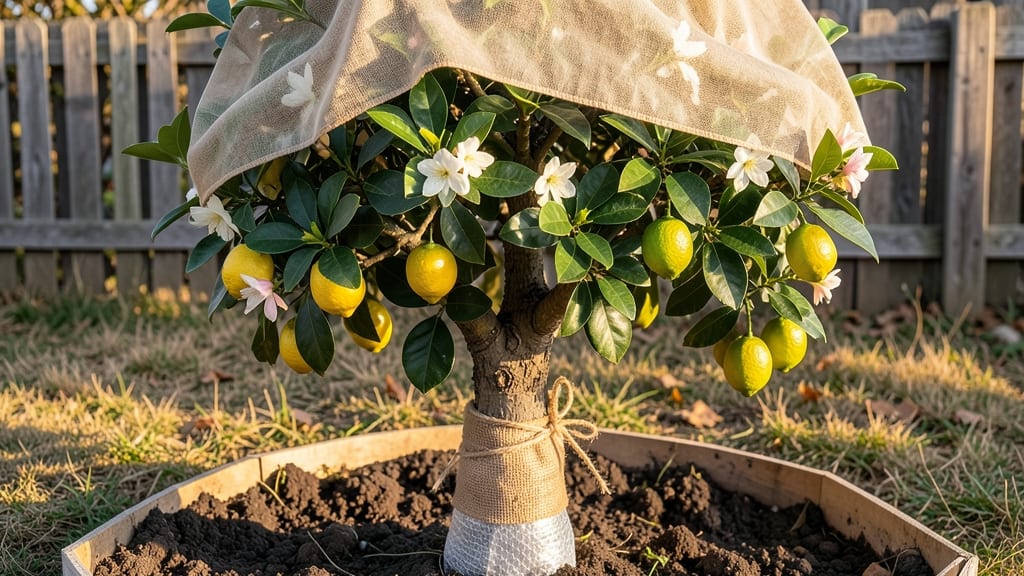
How to wrap a lemon tree for winter is the difference between a thriving citrus plant and a sad, frozen skeleton. 🌱 I learned this the hard way when my first lemon tree lost every branch to a surprise late frost—now I treat winter protection like a non-negotiable ritual, and my trees reward me with fruit every spring.
The secret isn't complicated: burlap or frost cloth acts like a cozy blanket, while proper timing (right before temps drop below 25°F) keeps roots and branches from freezing.
You'll need 3-5 feet of width to fully encase the tree, plus some twine or stakes to secure it without crushing the branches. The process takes 20-30 minutes and could save your tree from costly replacement.
What you end up with is a tree that pushes out fresh green growth by April, with no frost cracks on the trunk and branches that hold their shape through winter.
The smell of lemon blossoms in spring becomes the highlight of my garden year, and I never have to worry about losing another tree to cold snaps.
Works for both container and in-ground trees, and the same method protects other tender citrus like oranges and limes. Here's exactly how to do it without mistakes—trust me, I've made them all.
📚 In This Guide
- What you need
- Instructions
- Tips and common mistakes
- Wrapping up and next steps
What you need
- ● Burlap or frost cloth – Choose 100% natural burlap (15–20 ft long, 5–6 ft wide) or frost cloth (30–50 ft, 5–6 ft wide) (breathable, wind-resistant).
- ● Plastic tree wrap or clear plastic sheeting – 6–8 mil thickness, enough to cover the tree (add 2–3 ft extra for overlap).
- ● Twine or zip ties – Jute twine (¼-inch width) or plastic zip ties (1-inch) for securing wraps.
- ● Staple gun + staples – Heavy-duty staples (½-inch) to anchor burlap or frost cloth.
- ● Scissors or utility knife – For trimming materials to size.
- ● Measuring tape – To gauge tree height and material lengths.
- ● Insulation (straw, pine needles, or mulch) – Add 3–4 inches around the base for extra warmth.
- ● Reflective bubble wrap – Wrap around the south-facing side to trap heat.
- ● Tree ties or Velcro straps – Easier to adjust than twine for tight spots.
- ● Windbreak (e.g., snow fence) – Protects from cold gusts if your tree is exposed.
Step-by-step instructions for wrapping a lemon tree for winter
Here’s my foolproof method to protect your lemon tree from frost damage without stressing the plant.
🪴 Step 1: Choose the Right Wrapping Materials
You’ll need breathable frost cloth (not plastic—it traps moisture and causes rot) and burlap or landscape fabric for added insulation. I like a 50% shade cloth for milder winters or 90% for harsh freezes. Measure the tree’s height and width to buy enough to wrap it completely with 12-18 inches of overlap at the seams.
If your tree has a trunk wider than 6 inches, add tree wrap to protect the bark from cracking. Avoid anything that stays wet—moisture against the bark invites fungal diseases. Check the fabric’s label for wind resistance if your area gets gusty winters.
✂️ Step 2: Prune and Clean Before Wrapping
Trim away dead, diseased, or weak branches first—this reduces stress on the tree and prevents pests from hiding in winter. I snip with sterilized shears, making cuts just above a leaf node or bud. Remove any fallen leaves or debris from the base, as damp organic matter can harbor mold.
Give the tree a light pruning to improve air circulation inside the wrap. You’re not shaping here—just opening up the canopy slightly so air can move. This prevents rot buildup from trapped moisture. Water the tree deeply 2-3 days before wrapping to ensure the roots are hydrated but not soggy.
🌿 Step 3: Secure the Wrap Snugly but Gently
Start wrapping from the bottom up, overlapping each layer by 6-8 inches to block drafts. Use soft ties or twist clips (not wire or plastic) to secure the fabric—tight enough to stay in place, but loose enough to allow the tree to breathe. If your tree is under 6 feet tall, a single layer of frost cloth usually suffices for temperatures above 20°F. For colder nights, add a second layer of burlap on the outside.
Leave the top open like a tent to prevent snow buildup, which can weigh down branches. If your area gets heavy snow, prop up the top with stakes to keep the weight off. Avoid wrapping the roots—they need cold exposure to harden off naturally. Test the fit by gently shaking the tree; if the wrap shifts, secure it further.
⏰ Step 4: Monitor and Adjust Through Winter
Check the wrap every 2-3 weeks for signs of moisture buildup or pests. If you see condensation inside, loosen the fabric slightly or add a breathable mesh layer to improve airflow. On days above 40°F, remove the wrap for 4-6 hours to let the tree acclimate—this prevents sudden shock when spring arrives.
Watch for ice buildup on the fabric—this can insulate too well, raising the temperature inside the wrap and damaging buds. If ice forms, gently brush it off with a soft broom. In extreme cold below 15°F, add extra insulation around the trunk with straw or mulch (but keep it 6 inches away from the bark to avoid rot).
☀️ Step 5: Unwrap and Transition into Spring
Remove the wrap gradually as temperatures rise. Start by loosening the ties in early spring, then roll back the fabric over 7-10 days to harden the tree off. This prevents sunburn from sudden exposure—you’ll see new growth emerge pale and tender if you unwrapped too fast.
Once the wrap is fully off, prune any dead wood that might have formed over winter. Water the tree deeply to encourage root growth, and apply a balanced fertilizer (like 10-10-10) to support new foliage. If you notice yellowing leaves, it’s usually a sign of overwatering—lemon trees prefer slightly dry soil in early spring.
Tips & tricks for winter-proofing your lemon tree
Real talk: Wrapping your lemon tree correctly makes all the difference between a frost-killed plant and one that thrives year-round. I learned this the hard way after losing my first tree to a surprise freeze—here’s what actually works.
Material Selection: Never use plastic sheeting, even if it’s cheap—it traps moisture and creates a greenhouse effect that can rot your tree’s bark. Instead, opt for breathable frost cloth (50% shade for mild winters, 90% for harsh freezes) and burlap for extra insulation. The key is airflow: you want to block wind and cold while still letting the tree breathe. I always double-check fabric labels for wind resistance, especially if your area gets gusty winters.
Pruning Prep: Before wrapping, give your tree a light pruning to remove dead or weak branches—this isn’t about shaping, just clearing out anything that could harbor pests or trap moisture. I use sterilized shears to make clean cuts just above leaf nodes. The goal is to improve airflow inside the wrap, so don’t go overboard—just open up the canopy slightly. This step prevents rot buildup that can happen when moisture gets trapped during winter.
Insulation Layering: For temperatures below 20°F, add a second layer of burlap outside the frost cloth. The overlap (6-8 inches) is critical—it blocks drafts that can sneak in and chill the tree. I’ve seen people skip this and end up with frost damage on the exposed sides. Pro tip: Leave the top open like a tent to prevent snow buildup, which can weigh down branches. If you get heavy snow, prop up the top with stakes to keep the weight off completely.
Winter Monitoring: Check your wrap every 2-3 weeks for condensation or ice buildup—both can insulate too well and damage buds. On days above 40°F, remove the wrap for 4-6 hours to let the tree acclimate. I’ve had trees go into shock when suddenly exposed to spring sun after being wrapped all winter. If ice forms, gently brush it off with a soft broom—never let it accumulate, as it can create hot spots that damage delicate buds.
Pro Tips for Wrap A Lemon Tree For Winter
- Real talk: Wrapping your lemon tree correctly makes all the difference between a frost-killed plant and one that thrives year-round.
- Material Selection: Never use plastic sheeting, even if it’s cheap—it traps moisture and creates a greenhouse effect that can rot your tree’s bark.
- Pruning Prep: Before wrapping, give your tree a light pruning to remove dead or weak branches—this isn’t about shaping, just clearing out anything that could harbor pests or trap moisture.
Frequently asked questions
Got questions about wrapping your lemon tree for winter? You’re not alone! Here are some of the most common concerns—and straightforward answers—to help you protect your citrus tree like a pro.
Do I really need to wrap my lemon tree if I live in a mild climate?
While some mild-winter zones (USDA Zones 9-10) may skip wrapping, temperatures dipping below 25°F (-4°C) can still damage tender lemon trees. Wrapping adds an extra layer of insulation, especially for young trees or those in windy spots. When in doubt, wrap—it’s a small effort for big peace of mind!
What’s the best time to wrap my lemon tree for winter?
Timing is key! Start wrapping before the first hard frost hits—typically late fall (October-November) in most regions. Unwrap in early spring (February-March), once daytime temps consistently stay above 50°F (10°C). Pro tip: Check your local frost dates for precision!
Can I use plastic wrap instead of burlap or frost cloth?
Not ideal! Plastic traps moisture, which can rot branches or attract pests. Stick to breathable materials like burlap, frost cloth, or even old blankets. If you’re in a pinch, use double-layered fabric (like an old bedsheet) to mimic insulation without suffocating the tree.
What if my lemon tree’s branches break under the weight of the wrap?
Oops! Too much pressure can damage delicate stems. Secure the wrap loosely—think "snug but not tight"—and avoid overlapping layers too heavily. For large trees, use stakes or a trellis to support the weight. If branches snap, prune carefully in spring (sterilize tools first!) and monitor for healing.
How do I know if my wrapped lemon tree is getting enough airflow?
Good airflow prevents mold and rot. Your wrap should feel light and airy, not like a sauna! If condensation builds up inside, loosen the material slightly or add a ventilation gap (like a rolled-up section). A quick sniff test: if it smells musty, it’s time to adjust!
Wrapping up and next steps
Wrapping your lemon tree for winter is a simple yet powerful way to protect it from harsh frost and ensure it thrives for years to come. 🌿 With the right materials—like frost cloth, burlap, or even bubble wrap—and a little effort, you can create a cozy shield that safeguards your tree’s delicate branches and leaves.
The key is acting early, before temperatures drop, and checking your work regularly to adjust as needed.
Now that you’re armed with the know-how, take action this fall—your lemon tree will thank you with vibrant blooms and sweet fruit come spring! Ready to give your citrus friend the winter care it deserves? Grab your supplies and get wrapping! 🍋✨