
Planting
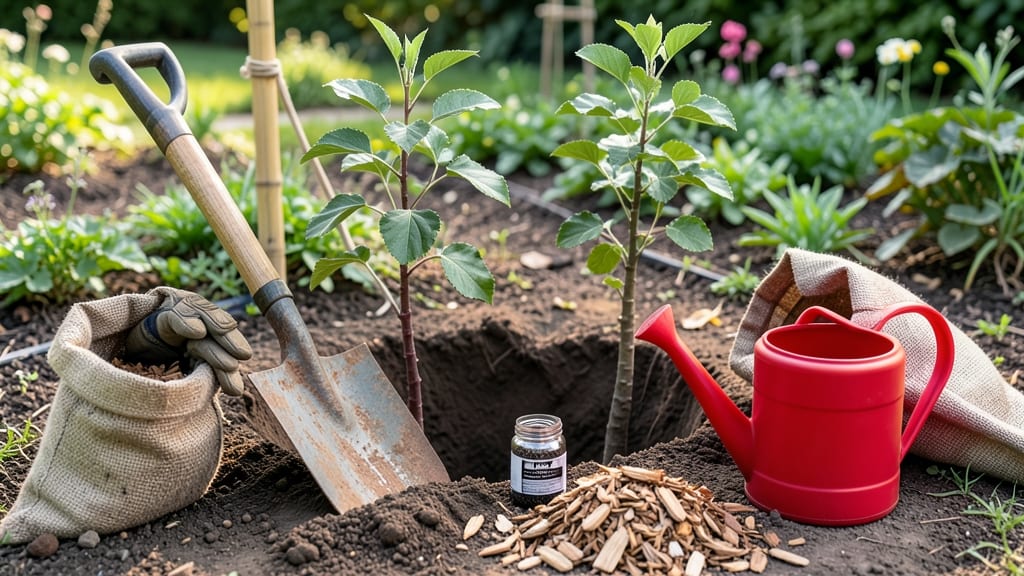
Planting tree seedlings the right way means roots that thrive—not just survive. 🌱 I’ve learned that cold-strengthened roots are the secret to trees that grow strong year after year, no matter when you plant. The key? Proper soil prep, the right depth, and a watering routine that mimics natural rain.
Most people rush this step, but taking 10 extra minutes to loosen the soil and space seedlings correctly makes all the difference. Dig a hole twice as wide as the root ball but no deeper—this prevents waterlogging and encourages roots to spread outward.
For deciduous trees, plant slightly deeper than the original soil line to protect against winter heaving. After planting, water deeply to settle the soil and remove air pockets. Mulch around the base (but not touching the trunk) to retain moisture and regulate temperature.
Within 4-6 weeks, you’ll see new growth as roots establish—proof you’ve given your tree the best possible start. This method works for shade trees, fruit trees, and even conifers. The biggest mistake? Overwatering or planting too deep.
Stick to these steps, and your seedlings will grow into sturdy, long-lived trees.
📚 In This Guide
- What you need
- Instructions
- Tips and common mistakes
- Wrapping up and next steps
What you need
- ● Tree seedlings: 1–5+ (depending on your project; choose cold-hardy varieties like oak, maple, or pine for year-round success).
- ● Shovel or trowel: 1 medium-sized digging tool (18–24" for seedlings; 30"+ for larger trees).
- ● Watering can or hose: With a gentle spray nozzle (1–2 gallons per seedling for initial watering).
- ● Mulch: 2–3 bags (shredded bark, wood chips, or straw; avoid fresh wood chips near seedlings).
- ● Gloves: 1 pair (gardening or work gloves to protect your hands).
- ● Measuring tape or ruler: 1 (to ensure proper planting depth—usually 2–3x the root ball’s height).
- ○ Planting hole tools (optional but helpful): Auger (for hard soil) or
- ● Post-hole digger (for larger seedlings).
- ● Root stimulator: 1 bottle (powder or liquid to boost root growth in cold soil).
- ● Tree stakes or bamboo supports: 2–4 (for windy areas or young seedlings).
- ● Soil amendment: 1 bag (compost or peat moss if your soil is rocky or clay-heavy).
- ● Reflective mulch or frost cloth: 1 roll (for extra protection in late fall/winter).
- ● Pruners: 1 pair (for trimming dead branches post-planting).
- ● Knee pad or stool: 1 (for comfort during long planting sessions!).
Step-by-Step instructions for planting tree seedlings
Here’s my foolproof method for planting seedlings that thrive from day one, no matter the season.
🌱 Step 1: Prepare the Planting Site
Choose a spot with 6+ hours of sunlight and well-draining soil. Dig a hole twice as wide as the seedling’s root ball but only as deep as the container it came in. Loosen the sides of the hole with a shovel or your hands—this helps roots spread outward instead of circling.
If your soil is heavy clay or sandy, mix in 2-3 inches of compost at the bottom of the hole. This improves moisture retention and nutrient availability. Tap the hole gently to settle the soil before planting—you want firm but not compacted earth.
🌿 Step 2: Remove the Seedling and Inspect Roots
Gently squeeze the sides of the container to loosen the root ball, then tip the seedling out. If roots are circling tightly (a common problem with container-grown seedlings), use your fingers to tease them outward. This prevents "pot-bound" roots from strangling the plant later.
Check for any damaged or mushy roots—these will rot and weaken the seedling. Trim any brown or squishy sections with clean pruning shears. Healthy roots should be white or light tan and firm to the touch.
🪴 Step 3: Plant at the Correct Depth
Place the seedling in the hole so the top of the root ball sits 1 inch below the soil surface. Planting too deep can suffocate the stem, while planting too shallow exposes roots to drying out. Fill the hole halfway with soil, then water deeply to settle everything.
After watering, the soil will settle. Add more soil to bring the root ball back to that 1-inch depth mark. Press gently around the base to remove air pockets, but don’t pack it down—roots need space to grow.
☀️ Step 4: Water and Mulch for Stability
Water the seedling thoroughly until water runs out the bottom of the hole. This ensures roots make contact with moist soil right away. After watering, spread 2-3 inches of mulch (like wood chips or straw) around the base, keeping it 3 inches away from the trunk to prevent rot.
The mulch locks in moisture and regulates soil temperature, which is especially critical in hot or cold weather. Water lightly every 2-3 days until new growth appears—this keeps the soil evenly moist without drowning the roots.
⏰ Step 5: Protect and Monitor for Growth
For the first 2 weeks, shield seedlings from strong winds or direct afternoon sun with a shade cloth or temporary shelter. Watch for wilting or yellowing leaves—these are signs of overwatering or underwatering. Adjust your watering based on soil moisture, not a schedule.
Once new leaves appear (usually within 3-4 weeks), your seedling is established. Keep an eye out for pests like aphids or spider mites—spray with water or neem oil at the first sign of trouble. With proper care, your tree will grow strong enough to handle any season.
Tips & tricks for planting tree seedlings
Here's what I learned after planting dozens of seedlings—these small details make all the difference for long-term survival.
Soil Prep Tip: If your soil is particularly dense or rocky, consider digging the hole 3-4 inches deeper than the root ball and mixing in 1 part compost to 2 parts native soil throughout the hole. This creates a nutrient-rich transition zone that encourages roots to explore downward for stability. I've seen seedlings with roots growing 3 feet deep within a year when planted this way!
Root Inspection Secret: When you're teasing out circling roots in Step 2, don't just pull them outward—gently spread them in all directions like spokes on a wheel. This creates a more natural root structure that grows outward rather than circling. Pro tip: If roots are extremely tight, soak the root ball in water for 10-15 minutes first to help loosen them without damage.
Depth Visualization: For that critical 1-inch depth in Step 3, I use a simple trick: Place the seedling in the hole and mark where the top of the root ball sits with a small stick or pencil. After backfilling halfway and watering, check your mark again—this ensures you're maintaining that perfect depth even after soil settles. Too deep? The stem will rot. Too shallow? Roots dry out.
Mulch Placement: When applying your 2-3 inches of mulch in Step 4, create a slight depression around the base of the seedling to help water pool there during irrigation. This ensures moisture reaches the roots rather than running off. And here's a bonus: In cold climates, add an extra 1 inch of mulch after the first frost to protect roots from freezing temperatures.
Pro Tips for Plant Tree Seedlings
- Here's what I learned after planting dozens of seedlings—these small details make all the difference for long-term survival.
- Soil Prep Tip: If your soil is particularly dense or rocky, consider digging the hole 3-4 inches deeper than the root ball and mixing in 1 part compost to 2 parts native soil throughout the hole.
- Root Inspection Secret: When you're teasing out circling roots in Step 2, don't just pull them outward—gently spread them in all directions like spokes on a wheel.
Frequently asked questions
Got questions about planting tree seedlings? You’re not alone! Here are some of the most common concerns—plus straightforward answers to help you grow confidently.
What’s the best time of year to plant tree seedlings?
For most regions, early spring or fall are ideal—when soil is workable but not frozen or scorching. Seedlings planted in these seasons have time to establish roots before extreme weather. Avoid summer heat or winter frost, which can stress young trees. Check your USDA hardiness zone for local timing tips!
Can I plant tree seedlings in winter?
Yes, but with caution! If you must plant in winter, choose bare-root seedlings (dormant trees) and plant them before the ground freezes. Mulch heavily (4–6 inches) to insulate roots, and water sparingly—only if the soil is unfrozen. Evergreens are riskier in winter; opt for deciduous trees instead.
How often should I water newly planted seedlings?
Water deeply 2–3 times per week for the first month, then taper to once a week (adjust for drought or rain). The key is moisture consistency: Aim for 1–2 inches of water per week. Use a soaker hose or drip irrigation to avoid wetting leaves (which invites disease).
What if my seedling’s leaves turn yellow or wilt?
Yellow leaves often signal overwatering or poor drainage, while wilting can mean underwatering or root stress. Check soil moisture (stick your finger 2 inches deep—if dry, water!). If leaves curl or drop, inspect for pests (like spider mites) or fungal spots. Trim damaged foliage and adjust care—most seedlings bounce back with proper attention!
Are there alternatives to digging holes for seedlings?
For container-grown seedlings, the "pocket method" works: Dig a hole just big enough for the root ball, then plant. For bare-root seedlings, soak roots in water for 1–2 hours before planting. If soil is rocky or compacted, consider amending with compost or using a tree planting spike for easier hole creation.
Still stumped? Drop your question in the comments—we’re happy to help your seedlings thrive!
Wrapping up and next steps
Planting tree seedlings is a rewarding way to nurture greenery and contribute to a healthier environment—and you’ve got everything you need to succeed! 🌱 By following the right steps—from selecting cold-hardy varieties to proper watering and mulching—you’ll give your young trees the best chance to thrive, even in cooler climates.
Remember, patience and consistency are key; your trees will thank you with strong roots and lush growth for years to come.
Now that you’re ready to dig in, take the next step: mark your calendar for planting season and gather your supplies. Whether you’re a beginner or a seasoned gardener, every tree you plant makes a difference—so get out there and grow something amazing! 🌍✨