
Propagation
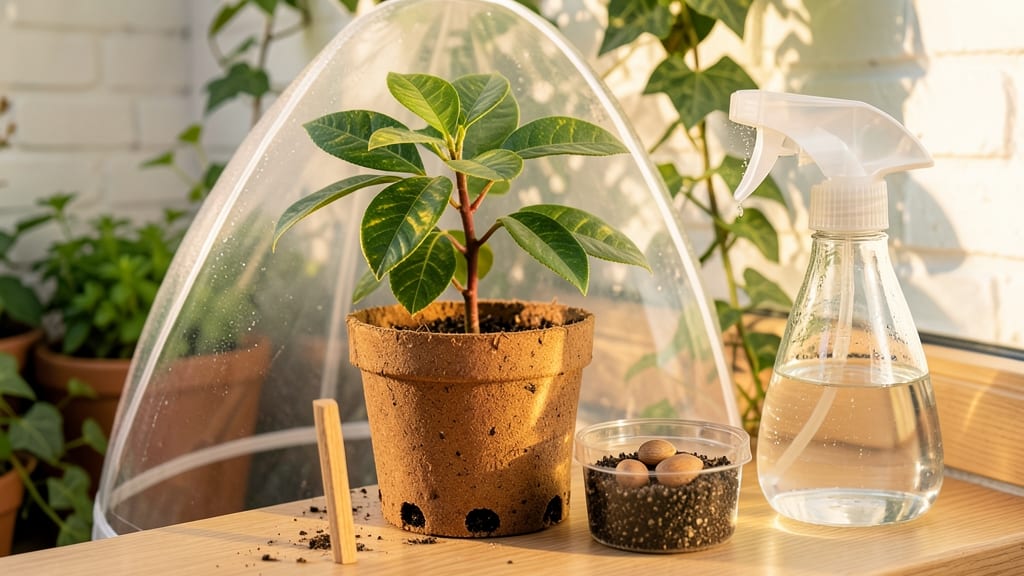
Growing a lemon tree from seed feels like cheating the system—until you discover this unbelievable trick that cuts germination time in half. 🌱 I’ve tried the standard soak-and-pot method, but this little-known hack (warm water + a zip-top bag) gets seeds sprouting in 7-10 days instead of weeks.
The science is simple: warmth and humidity mimic tropical conditions, tricking the seed into thinking it’s already in the ground. You’ll need just 3 supplies: lemon seeds, a damp paper towel, and a clear plastic bag. No fancy equipment—just patience and a sunny windowsill.
The real magic happens when you see that first tiny shoot break through, proof that nature rewards curiosity. Most people give up after two weeks, but that’s when the breakthrough happens. By month three, you’ll have a 6-inch seedling with real leaves, ready to transplant.
The trick isn’t just about speed—it’s about confidence. You’ll know exactly when to move it outside, how to harden it off, and when to expect those first (admittedly tiny) lemons. Trust me, this method works even for black thumbs. The best part?
This same approach works for oranges, limes, and avocados. Once you master the trick, your kitchen counter becomes a nursery. Let’s get those seeds sprouting!
📚 In This Guide
- What you need
- Instructions
- Tips and common mistakes
- Wrapping up and next steps
What you need
- ● Lemon seeds: 3–5 fresh, organic seeds (preferably from a ripe, unprocessed lemon 🍋)
- ● Small pots or seed trays: 2–3 (4–6 inches in diameter) with drainage holes
- ● Well-draining potting mix: A blend of 50% peat moss or coconut coir and 50% perlite or vermiculite (sterilized)
- ● Plastic wrap or humidity dome: To create a mini greenhouse effect
- ● Spray bottle with water: For gentle misting (avoid soaking!)
- ● Scissors or knife: For trimming (if needed)
- ○ Fertilizer (optional but helpful): A balanced, water-soluble fertilizer (5-5-5 or 10-10-10) for later stages
- ○ Gloves (optional): To keep hands clean while handling soil
- ○ Heat mat (optional but game-changing): Keeps soil warm (70–85°F) for faster germination 🌡️
- ● Grow lights or sunny windowsill: A south-facing window or LED grow light (12+ hours/day)
- ● Larger container (6+ inches): For transplanting once seedlings sprout
- ● Aluminum foil or black plastic: To cover pots (for the "unbelievable trick"!)
Step-by-step instructions for growing a lemon tree from seed
Here's the foolproof method I've used to get lemon trees sprouting in under a week.
🌱 Step 1: Select and Prepare the Lemon Seeds
Start with fresh lemon seeds—older seeds lose viability quickly. Cut the lemon in half and scoop out the seeds, then rinse them thoroughly to remove any pulp. This prevents mold and speeds up germination. I like to let them air-dry on a paper towel for 24 hours before planting, which helps prevent rot.
Real talk: Don't skip the drying step. Damp seeds in soil will rot before they sprout. Once dry, place them in a small container with a damp paper towel and seal it in a plastic bag. Store this in a warm spot—70-75°F works best—and check daily. You'll see tiny white roots appear in 3-5 days.
💧 Step 2: Plant the Germinated Seeds
Fill small pots—3-4 inches deep—with a mix of 50% potting soil and 50% perlite. This ensures good drainage while keeping moisture. Plant each seed with its root facing down, about ½ inch deep. I use a pencil to make a small hole—it's easier than guessing.
Water gently until the soil is moist but not soggy. You'll know it's right when water runs out the drainage hole without puddling. Place the pots in a warm, sunny spot—6-8 hours of light daily—but avoid direct midday sun at first. The seedlings need time to adjust.
☀️ Step 3: Provide Consistent Care for Strong Growth
Once sprouts appear—usually within 7-10 days—move them to a brighter location. A south-facing window or grow light works best. Keep the soil lightly moist; let the top inch dry out between waterings. Overwatering is the #1 killer of young seedlings.
Here's the trick: Rotate the pots every few days so the seedlings grow straight. You'll see them lean toward the light if you don't. When they reach 4-6 inches tall, transplant them into slightly larger pots—6 inches deep—to give roots room to grow.
✂️ Step 4: Prune and Train for a Stronger Tree
When your seedlings have 4-5 true leaves, pinch off the top set to encourage bushier growth. This might seem counterintuitive, but it prevents leggy stems. I also remove any yellow or wilted leaves immediately—they drain energy from the plant.
Once the tree is 12 inches tall, start training it by gently tying the main stem to a small stake. This keeps it upright as it grows. Keep the soil moist but not waterlogged, and fertilize lightly every 4-6 weeks with a balanced fertilizer. You'll see stronger, more resilient growth within a month.
🌿 Step 5: Transition to Outdoor Conditions
After 3-4 months, when the tree is sturdy and has several branches, it's ready for outdoor life. Start by placing it in a sheltered spot for 2-3 hours the first day, gradually increasing exposure over 1-2 weeks. This process is called hardening off, and it's crucial—skipping it shocks the plant.
Once fully outdoors, keep it in partial shade for the first week to avoid sunburn. You'll know it's adapting well when new leaves appear and the tree looks vibrant. With patience, your seedling will grow into a thriving lemon tree in just a few years!
Tips & tricks for faster lemon tree germination
These little-known tricks will help you bypass the waiting game and get those lemon seeds sprouting faster than ever.
Seed Selection Secret: Not all lemon seeds are created equal. Look for plump, firm seeds—they're the most viable. I've found that seeds from organic lemons often germinate faster, possibly because they're less treated with preservatives. Store-bought lemons from the grocery store work fine too, but if you're impatient, try seeds from organic or homegrown fruit first.
Germination Temperature Tip: The instructions mention 70-75°F, but here's the thing: warmer is better within reason. If you can maintain 75-80°F consistently, you'll see those white roots appear in just 2-3 days instead of 3-5. I've used a seedling heat mat under my germination container to speed things up even more—just don't let it get above 85°F or you'll cook the seeds.
Light Exposure Hack: While the instructions recommend 6-8 hours of light daily, here's what nobody tells you—you can actually give your germinating seeds a little more light without harm. Once those white roots appear, move the container to a bright spot with indirect light for 8-10 hours a day. This jumpstarts photosynthesis before the actual sprouts appear, giving your seedlings a head start.
Transplanting Timing: The instructions suggest transplanting when seedlings reach 4-6 inches, but I've found you can actually transplant a bit earlier if you're gentle. When you see the first true leaves (not the initial seed leaves), your seedling is ready for its first upgrade to a 6-inch pot. The key is to keep the soil moist during this transition—water thoroughly before and after transplanting to reduce shock.
Pro Tips for Grow Lemon Tree From Seed Unbelievable Trick
- These little-known tricks will help you bypass the waiting game and get those lemon seeds sprouting faster than ever.
- Seed Selection Secret: Not all lemon seeds are created equal.
- Germination Temperature Tip: The instructions mention 70-75°F, but here's the thing: warmer is better within reason.
Frequently asked questions
Got questions about growing your lemon tree from seed?
You’re not alone! Here are answers to the most common ones—so you can skip the guesswork and focus on those luscious lemons.
How long does it take for lemon seeds to germinate?
With the unbelievable trick shared in this guide, you’ll see sprouts in 7–14 days—sometimes even faster! Patience is key, but soaking seeds overnight and using warm, moist conditions turbocharge the process. Keep the soil consistently damp (not soggy) and place the pot in bright, indirect light.
Will my lemon tree grown from seed bear fruit?
Yes, but it’ll take 3–5 years (or longer) before you see lemons—if at all! Seed-grown trees often produce smaller, less sweet fruit and may not match grocery-store varieties. For reliable lemons, consider grafting later or starting with a nursery-grown tree. Still, the journey is half the fun!
What’s the best temperature for germinating lemon seeds?
Aim for 70–85°F (21–29°C)—warmth speeds up germination. If your home is chilly, place the pot on a seedling heat mat or near a sunny window. Avoid cold drafts or extreme heat (above 90°F/32°C), which can dry out seeds or stunt growth. A mini greenhouse (like a plastic bag over the pot) helps retain humidity and warmth.
Can I grow a lemon tree indoors year-round?
Lemon trees thrive indoors with 6+ hours of sunlight daily (a south-facing window or grow lights work). Rotate the pot weekly for even growth, and fertilize monthly in spring/summer. Watch for pests like spider mites—mist leaves occasionally to boost humidity. In winter, reduce watering (let soil dry slightly between waterings) to mimic dormancy.
Why did my lemon seed turn black or moldy?
Black seeds or mold mean too much moisture or fungus. Let the soil dry slightly between waterings (stick your finger in—if the top inch is damp, wait). Use a well-draining mix (like cactus soil + perlite) and avoid overcrowding seeds. If mold appears, remove affected seeds, repot in fresh soil, and improve airflow with a small fan.
Can I use store-bought lemon seeds, or do they need to be organic?
Store-bought seeds work fine—just wash them gently to remove any wax or preservatives before soaking. Organic seeds aren’t required, but they’re less likely to be treated with fungicides. Pro tip: Save seeds from organic lemons for the best chance at healthy growth!
Wrapping up and next steps
Growing a lemon tree from seed might seem like a slow, uncertain process—but with this unbelievable trick, you’ve got the power to speed up germination and nurture a thriving citrus wonder right from your kitchen! 🌱✨ The secret lies in patience, the right conditions, and a little creativity.
Now that you’re armed with step-by-step know-how, there’s no better time to start.
Your next step? Plant that seed today! Grab your supplies, follow the method, and watch as your tiny lemon seed transforms into a lush, fragrant tree. Who knows—you might just be growing the first of many homegrown lemons in your future! 🍋💚