
How To
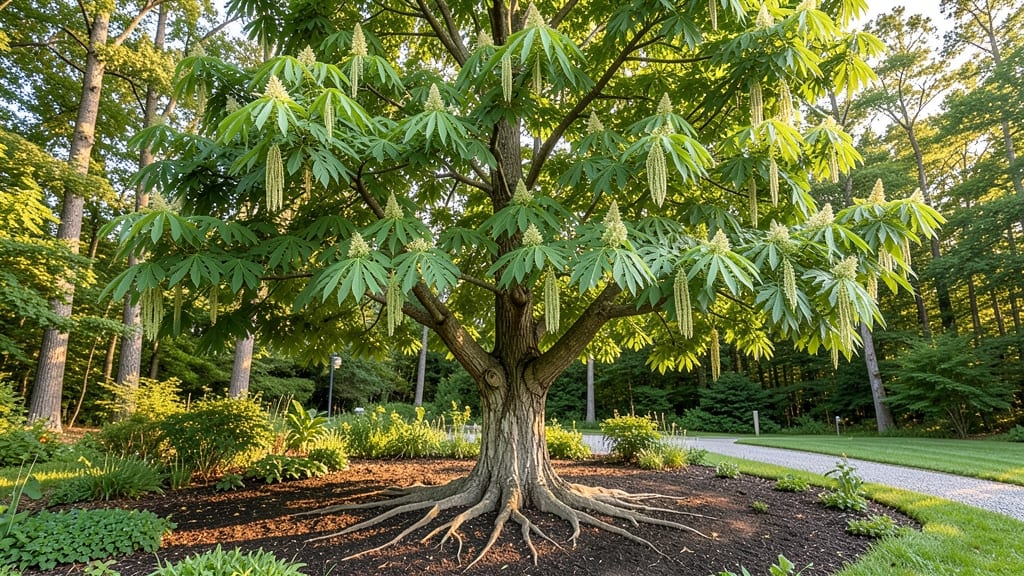
The Tree of Heaven 🌳 can grow between 40 and 65 feet tall, towering over your yard like an uninvited giant if you don’t plan ahead.
Picture this: You plant a sapling in spring, expecting a manageable shade tree, only to find years later that it’s outpaced your house and is now spreading roots aggressively into your lawn. That’s the reality of Ailanthus altissima—a tree that grows with alarming speed and invasive tendencies.
But here’s the thing: Its height isn’t just about genetics. Soil quality, sunlight, and even your region’s climate play a huge role in how tall it gets.
In the Northeast, for example, it can hit 65 feet in ideal conditions, while in drier climates, it might max out at 40 feet. The key to managing it? Understanding its growth habits and acting early.
Below, I’ll break down how tall this tree can really get in your area, what factors speed up its growth, and—most importantly—how to keep it from taking over your landscape.
You’ll learn the warning signs of out-of-control spread and the best methods to rein it in, whether you’re dealing with a young sapling or a full-grown menace.


Tree of Heaven height by region: growth limits and climate factors
The Tree of Heaven (Ailanthus altissima) is infamous for its rapid growth, but its mature height varies dramatically across U.S. hardiness zones 4-9. In ideal conditions, it can reach 60-100 feet, but regional climate, soil quality, and urban vs. rural environments all play critical roles.
Understanding these factors helps you prepare for its aggressive spread and plan containment strategies.
In cooler zones (4-6), like the Northeast and Midwest, Tree of Heaven typically tops out at 50-70 feet due to shorter growing seasons and colder winters. However, in warmer zones (7-9), such as the Southeast and Southwest, it can surge past 80 feet with minimal winter dormancy.
Urban areas often see slower growth due to compacted soil and pollution, while rural settings provide the ideal conditions for unchecked expansion.
Soil preferences also influence height—this tree thrives in poor, disturbed, or alkaline soils, where competitors struggle. In nutrient-rich garden soil, it may grow 20% taller than in marginal urban lots. Its deep taproot system allows it to access water and nutrients far below the surface, fueling its rapid ascent.
Here’s how Tree of Heaven height breaks down by region, along with key climate factors affecting its growth:
| USDA Zone | Avg. Mature Height | Growth Rate (Annual) | Climate Factors | Urban vs. Rural |
|---|---|---|---|---|
| Zones 4-5 (Northeast, Midwest) | 50–70 ft | 3–5 ft/year | Short growing season, cold winters | Slower in cities (compacted soil) |
| Zones 6-7 (Mid-Atlantic, Southeast) | 60–85 ft | 4–6 ft/year | Humid summers, mild winters | Faster in rural areas (abundant space) |
| Zones 8-9 (Southwest, Gulf Coast) | 70–100+ ft | 5–8 ft/year | Long growing season, minimal frost | Unchecked growth in open fields |
🌳 Note: Height varies by soil quality and water availability.
In invasive hotspots like New York City and Chicago, Tree of Heaven often reaches only 40-60 feet due to urban constraints, but its root suckers spread aggressively within 50 feet of the trunk.
Meanwhile, in rural Pennsylvania or Tennessee, mature trees can exceed 90 feet with minimal competition. This disparity highlights why soil disturbance (e.g., construction sites) accelerates its growth.
Another critical factor is water availability. In drought-prone zones (e.g., Southern California), Tree of Heaven may grow 10-15% shorter but still outcompete native species. Conversely, in flood-prone areas like Louisiana, it thrives due to its tolerant root system.
Always plant it in well-draining soil to avoid waterlogged roots, which can stunt growth.
If you’re in Zone 7 or warmer, expect uncontrolled height without intervention. I’ve seen 10-year-old specimens in Georgia already towering at 50 feet—a red flag for homeowners. In cooler zones (4-6), growth slows post-maturity, but its seed pods ensure new sprouts appear annually.
Always monitor young trees closely, especially in abandoned lots or forest edges.
For urban gardeners, consider container planting to limit height, though this restricts root spread. In rural settings, regular pruning (every 2–3 years) can cap height at 30-40 feet, but expect vigorous regrowth from stumps.
The key is proactive management—once established, Tree of Heaven is nearly impossible to eradicate without herbicides or manual removal.
In high-invasion zones, local nurseries often sell sterile cultivars, but even these can revert to wild-type growth. If you’re in Zones 7-9, assume 80+ feet unless you commit to annual maintenance.
For Zones 4-6, budget for 50-70 feet and prioritize root barrier installation to prevent spread.
🌱 Pro Tip: Plant Tree of Heaven only in controlled landscapes with physical barriers. Its height and spread make it a high-risk tree for most gardeners.
Controlling Tree of Heaven spread: natural and chemical methods
The Tree of Heaven spreads aggressively through both seeds and underground roots, making containment a challenge. Its root suckers can sprout up to 50 feet away from the parent tree, while seed pods release thousands of winged seeds that travel on wind.
Without intervention, a single tree can quickly dominate your landscape, outcompeting native plants and damaging structures with its expansive root system.
My first strategy for controlling spread is manual removal during early spring before new shoots emerge. Use a shovel or root saw to cut roots at least 6 inches below ground, then monitor the area for regrowth.
For larger infestations, combine this with mulching barriers to block sunlight from sprouting roots. Timing is critical—late winter or early spring is ideal when roots are still dormant but before active growth begins.
Natural Methods
- No chemicals used
- Cost-effective for small areas
- Safe for surrounding plants
- Encourages biodiversity
- Labor-intensive
- Requires frequent monitoring
- Less effective for large infestations
- Slow results
Chemical Methods
- Faster results
- Effective for large areas
- Kills roots and shoots
- Reduces regrowth risk
- Requires protective gear
- Potential for drift damage
- Not eco-friendly
- Regulatory restrictions
Biological Control
- Ailanthus webworm targets only Tree of Heaven
- Long-term natural suppression
- No chemical residue
- Slow to establish
- Requires expert introduction
- May not eliminate all trees
For chemical control, glyphosate-based herbicides are effective when applied directly to cut stumps or foliar surfaces. However, triclopyr (e.g., Brush-Kill) is often preferred because it moves systemically through the plant, targeting roots more effectively.
Always follow label instructions—apply on calm days and wear protective gear to avoid drift onto desirable plants. Late spring or early summer is the best time for herbicide applications when the tree is actively growing.
Biological controls offer a long-term solution. The Ailanthus webworm (Atteva aurea) is a moth whose larvae feed exclusively on Tree of Heaven leaves, weakening the tree over time. While this method requires patience—it may take 3-5 years to see significant impact—it’s an eco-friendly option for large infestations.
Contact your local cooperative extension service to obtain webworm larvae for release in your area.
Combine methods for best results: use manual removal for young shoots, apply herbicides to mature trees, and introduce biological controls for long-term management. Regular monitoring—especially in spring and fall—will help you stay ahead of this invasive species before it takes over your yard.
Remember, the key to controlling Tree of Heaven is consistency. Even a single missed root or seed can lead to a resurgence, so stay vigilant and adapt your approach based on what works best for your landscape.
With the right strategies, you can reclaim control and protect your garden’s biodiversity. 🌱✂️🌿