
How To
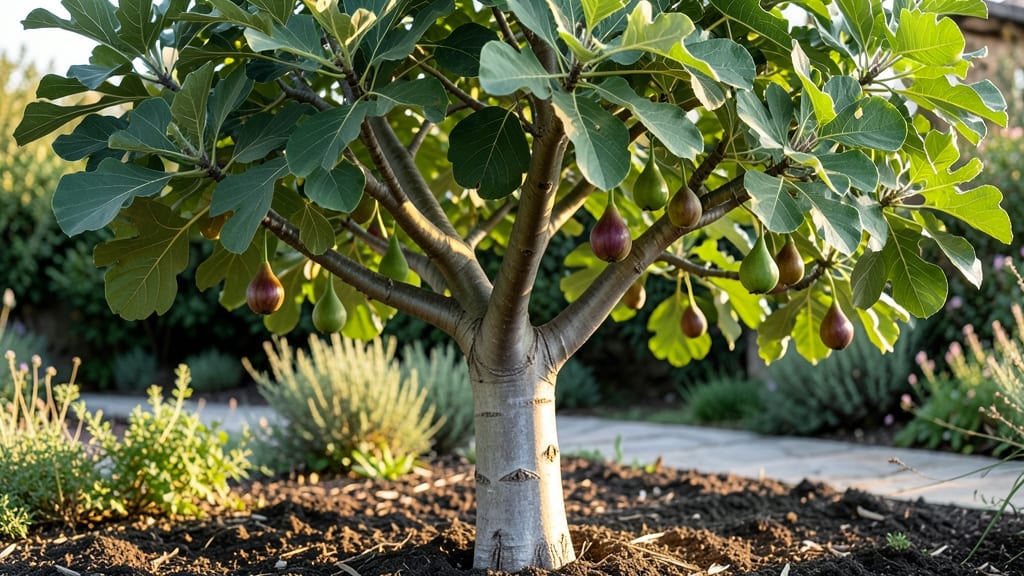
Growing a fig tree to its full potential means understanding how tall it can grow — some varieties stretch toward the sky, while others stay neatly contained in a backyard corner.
Dreaming of a towering fig tree 🌳 in your backyard? The height of your fig tree depends entirely on its variety, pruning habits, and growing conditions — but some can reach staggering heights, while others stay compact and manageable.
Whether you're working with a dwarf variety like 'Little Miss Figgy' or a standard type like 'Brown Turkey,' knowing the right expectations will help you plan your garden space.
In this guide, we’ll break down the mature height ranges for popular fig varieties, from 8-foot dwarfs to 30-foot giants, and explore how climate, soil, and sunlight influence growth.
You’ll also discover practical pruning and training techniques to control height and keep your tree at the perfect size for your space.
Ready to grow a fig tree that fits your vision? Let’s dive into the details so you can enjoy fresh figs without the headache of an unruly giant.


Fig tree height by variety: from dwarf to giant varieties
If you're wondering how tall can a fig tree grow, the answer depends entirely on the variety you choose. Fig trees range from compact dwarf varieties perfect for containers to towering giants that can dwarf your backyard.
Understanding these differences helps you select the perfect tree for your space and growing goals.
For small-space gardeners, dwarf fig varieties like 'Little Miss Figgy' stay under 8 feet tall, making them ideal for patios or balconies. Meanwhile, standard varieties like 'Brown Turkey' can reach 20-30 feet when grown in optimal conditions.
The right choice depends on your yard size, sunlight, and maintenance preferences.
Here’s a quick comparison of popular fig varieties and their mature heights to help you visualize what to expect in your garden:
The 'Little Miss Figgy' variety is one of the smallest fig trees, perfect for container gardening or balcony spaces. It rarely exceeds 8 feet and thrives in 5-gallon pots, making it a favorite for city dwellers. Its prolific fruiting and disease resistance add to its appeal for beginners.
On the opposite end of the spectrum, 'Brown Turkey' is a classic standard variety that can grow 30 feet tall if left unpruned. This variety is perfect for rural properties or landscaping projects where height isn’t a concern.
Its large, sweet figs make it a favorite for commercial growers and home orchards alike.
For those in USDA Zones 7-10, 'Desert King' offers a medium-height option at 12-15 feet. It’s drought-tolerant and heat-resistant, making it ideal for arid climates. Its golden-brown figs are a highlight in any garden, and its manageable size fits well in medium-sized backyards.
If you're in a cooler climate, 'Chicago Hardy' is a standout choice. This variety matures at 10-15 feet and is one of the few fig trees that tolerates frost down to -15°F. It’s perfect for northern gardeners who want to grow figs without worrying about winter damage.
When selecting a fig tree, consider not just height but also growth rate and fruit production. Some varieties, like 'Celeste', grow 6-8 feet tall but produce abundant fruit early in their lifecycle.
Others, like 'Violette de Bordeaux', prioritize ornamental value with vibrant purple figs and a spreading habit.
Pro tip: Always check the mature height of a variety before planting. Even dwarf varieties can outgrow their containers if not pruned regularly. For container-grown figs, plan to prune annually to maintain size and encourage fruit production.
🌱
How growing conditions affect fig tree height
The height of your fig tree isn't just about the variety you choose—it's heavily influenced by its growing conditions.
Whether you're in a sun-drenched rural landscape or a shaded urban courtyard, factors like climate, sunlight, soil quality, and pruning can push your tree toward the sky or keep it compact. Understanding these elements helps you shape your fig tree's growth to fit your space and goals.
For example, a Brown Turkey fig tree in a Mediterranean climate with full sun and rich soil can easily reach 25 feet tall, while the same variety in a cool, urban container garden might stay under 12 feet.
The difference? Sunlight exposure, soil nutrients, and pruning habits—all controllable factors that determine whether your fig tree becomes a towering shade provider or a manageable patio centerpiece.
- 🌡️ Climate: Warm climates (Zones 8-11) accelerate growth, while cooler zones (6-7) slow height gains. Urban microclimates can be 5-10°F warmer than rural areas, boosting growth.
- ☀️ Sunlight: 6+ hours of direct sun fuels rapid growth—10+ hours can double height potential. Shade reduces growth by 30-50%.
- 🌱 Soil Quality: Well-draining, nutrient-rich soil supports 20-30% faster growth vs. poor soil. Urban soils often lack organic matter, stunting height.
- ✂️ Pruning: No pruning = natural height (15-30 ft). Annual pruning can limit height to 8-12 ft while encouraging fruit production.
- 💧 Watering: Deep, infrequent watering promotes deeper root growth and taller trees. Overwatering in containers can halve height potential.
- 🏙️ Urban vs. Rural: Urban trees grow 10-20% slower due to pollution, limited space, and container constraints. Rural trees thrive with unrestricted root spread.
If you're growing figs in an urban environment, focus on container size and soil quality to maximize height. A 5-gallon pot will limit growth to 6-8 feet, while a 15-gallon container can support a 12-foot tree.
Rural gardeners, on the other hand, can leverage open soil and full sun to grow figs taller than a two-story house (~25 feet).
Another critical factor is seasonal pruning. In warm climates, pruning in late winter encourages rapid spring growth, while cool-climate gardeners should prune in early spring to avoid frost damage. Even a single pruning session can reduce a tree's height by 30-40% if done aggressively.
For example, my Chicago-grown 'Celeste' fig stays at 10 feet thanks to annual pruning, despite its natural potential to reach 20 feet.
Don't overlook the role of root competition. In rural gardens, fig trees spread roots aggressively, accessing deep water and nutrients for rapid height growth. In urban settings, roots hit container edges or sidewalks, triggering a stunted growth response.
To counteract this, I use deep containers with root pruning to encourage upward growth while keeping the tree manageable.
For maximum height, pair full sun exposure with minimal pruning and rich soil. If you prefer a compact tree, prioritize regular pruning, containers, and partial shade.
Whether you're aiming for a shade canopy or a patio-sized tree, understanding these conditions lets you control your fig tree's destiny. 🌳