
How To
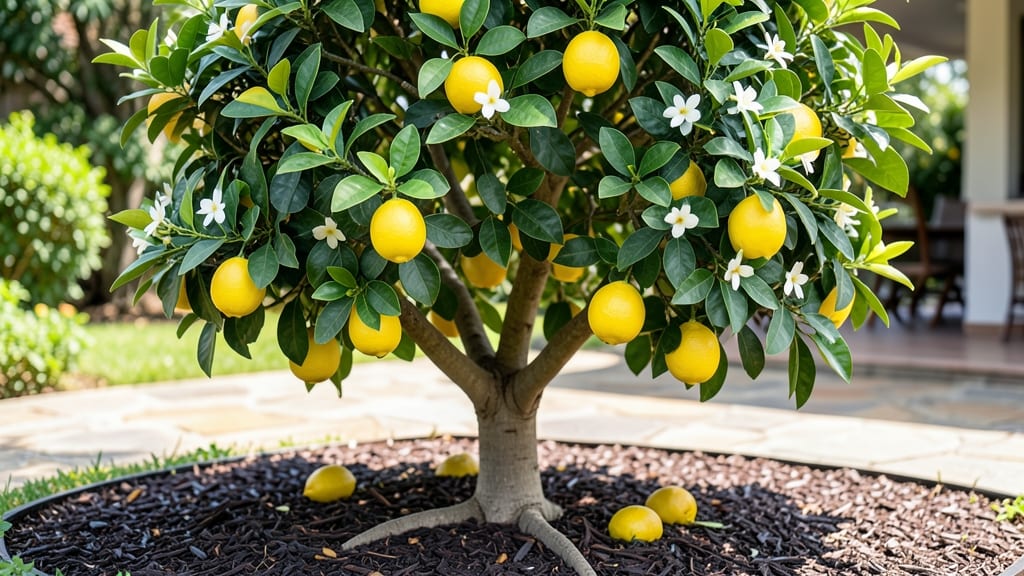
A Meyer lemon tree grows between 6 and 15 feet tall at maturity, but with the right care, you can keep it compact enough for even the smallest patios or sunny windowsills.
Picture this: a sweet, fragrant lemon tree that fits your balcony, produces fruit year-round, and thrives in containers—yes, it’s possible! The key is understanding how pruning, container size, and sunlight influence its growth.
In this guide, I’ll break down the height ranges at each stage, how to control its size naturally, and the best containers for small-space gardening.
Whether you’re dreaming of a 6-foot max tree or just want to keep it manageable, you’ll find practical tips to make it work for your space.
Ready to grow your own homegrown lemons without sacrificing space? Let’s get started.


Meyer lemon tree height guide: growth stages and space requirements
If you’ve ever dreamed of plucking fresh Meyer lemons from your own tree but assumed it needed a backyard, think again. This versatile citrus thrives in containers and can stay under 6 feet with proper care—debunking the myth that lemons require sprawling space.
Whether you’re growing on a balcony, patio, or sunny windowsill, understanding its growth stages and space needs is key to success.
The Meyer lemon tree starts as a delicate seedling but matures into a striking, fruit-bearing tree. Its height depends on variety, pruning, and container size. Dwarf varieties like ‘Improved Meyer’ max out at 6-8 feet, while standard trees can reach 12-15 feet if unchecked.
With strategic care, even urban gardeners can enjoy homegrown lemons without sacrificing space.
📊 Height Progression by Growth Stage
The 6-foot max height myth applies only to dwarf varieties like ‘Improved Meyer’ when grown in 15-gallon containers with consistent pruning. Standard Meyer lemons left unpruned can easily surpass 10 feet, making them unsuitable for small spaces.
The key to compact growth lies in container size, pruning frequency, and root restriction—all of which I’ll cover in detail below.
For indoor growing, place your Meyer lemon near a south-facing window to maximize sunlight. Without adequate light, the tree will grow leggy and weak, reaching heights of 5+ feet in just a year.
Supplement with a grow light (12–14 hours/day) to maintain a manageable 3–5 foot height while ensuring fruit production. Remember, even dwarf varieties need 6+ hours of light daily to thrive.
Outdoor container growing offers more flexibility but requires larger pots. A 20-gallon container can support a 6-foot dwarf tree, while a 50-gallon pot is ideal for standard varieties if you’re aiming for 8–10 feet.
Always ensure your container has drainage holes to prevent root rot—a common issue that stunts growth. Mulch the soil surface to retain moisture and encourage root development.
Pruning is the single most effective way to control height. Pinch back new growth in early spring to encourage bushier growth, and remove long, leggy branches to maintain a balanced shape. For a 6-foot max height, prune 1/3 of new growth every 3–4 months.
Use sterilized pruners to avoid disease, and always cut just above a leaf node to promote new shoots.
If your Meyer lemon starts to outgrow its space, don’t panic—root pruning can help. Gently loosen the outer roots when repotting to encourage a denser root ball, which naturally limits vertical growth.
Pair this with topping (cutting the main stem) to reset the tree’s height. This technique works best in early spring when the tree is entering active growth.
One common mistake is assuming that bigger containers always mean better growth. While a 55-gallon drum might seem ideal, it can actually encourage rapid height growth by providing too much space for roots.
Stick to 15–25 gallons for dwarf varieties and 30–50 gallons for standard trees. Over-potting leads to waterlogged soil and nutrient imbalances, both of which stress the tree and slow its development.
For small-space gardening,
5 Proven pruning techniques to control Meyer lemon tree height
Keeping your Meyer lemon tree at a manageable height doesn’t mean sacrificing fruit production. With the right pruning techniques, you can maintain a 6-foot max height while encouraging bushier growth and better air circulation.
The key is timing—prune during late winter or early spring before new growth begins, and avoid heavy cuts in summer when the tree is flowering or fruiting.
If your tree has become leggy or overgrown, don’t panic. Reviving it starts with understanding which branches to trim and how to shape it for compactness. For example, selective branch removal targets overly long stems, while pinching back young shoots promotes bushier growth.
Let’s break down the best methods to keep your Meyer lemon tree in check without stressing the plant.
🌿 Numbered Highlights: Pruning Techniques for Compact Growth
- 1 Topping: Cut the main stem just above a leaf node to encourage lateral branches. Ideal for 6-foot max height control.
- 2 Pinching: Remove the top ¼ inch of new growth on young shoots to stimulate branching.
- 3 Selective Branch Removal: Trim overlapping or inward-growing branches to improve airflow and sunlight penetration.
- 4 Thinning Out: Remove 1/3 of the oldest branches annually to rejuvenate growth and prevent woodiness.
- 5 Heading Back: Shorten overly long branches by cutting just above a leaf node to redirect energy to side shoots.
Start with sterilized pruning shears or a sharp bypass pruner to avoid damaging the tree. Always cut at a 45-degree angle just above a leaf node or bud, never leaving a stub.
This ensures the wound heals properly and new growth emerges in the right direction. For leggy trees, focus on trimming the longest branches first to restore balance.
Seasonal timing matters too. Prune lightly in summer only if necessary (e.g., removing dead or diseased branches), but avoid heavy cuts. The tree’s energy is focused on flowering and fruiting during this time, and pruning can stress it.
Instead, save major pruning for late winter, when the tree is dormant but ready to burst into new growth.
Common mistakes like over-pruning or cutting too close to the trunk can stunt growth or invite pests. If your tree looks stressed after pruning, apply a balanced citrus fertilizer and ensure it gets 6+ hours of sunlight daily.
With patience, your Meyer lemon tree will reward you with compact growth and abundant fruit.
For extra control, consider container pruning. Smaller pots naturally limit root growth, which indirectly slows height increase. Just ensure your container has drainage holes and is at least 18 inches wide for mature trees.
Combine these techniques, and you’ll enjoy a manageable-sized Meyer lemon tree that fits your space perfectly. ✂️🌱