
How To
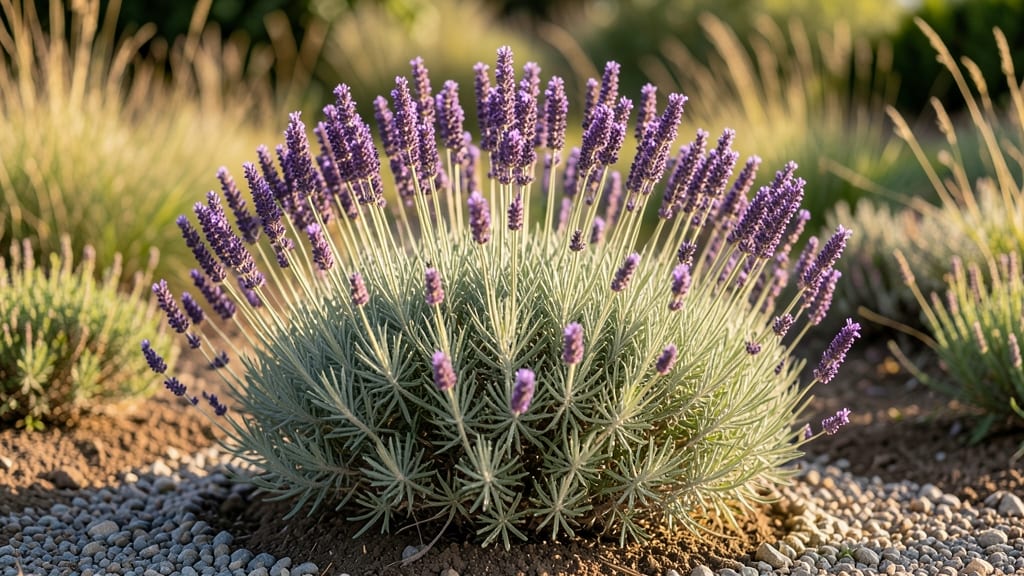
A lavender tree grows anywhere from 4 to 10 feet tall—depending on the variety and how you care for it, which means your dream purple hedge could end up as a towering statement plant or a compact, fragrant border.
Picture this: you’ve just planted your 🌿 lavender tree in full sun, dreaming of a low, bushy shrub that stays easy to prune. But without the right variety or pruning plan, you might end up with a 10-foot-tall monster that blocks your view—or worse, struggles to thrive in your space.
The key to controlling its height lies in choosing the right type—English lavender stays shorter, while Lagerstroemia (like ‘Lavender Dream’) can reach tree-like proportions—and mastering a few simple pruning tricks to keep it in check.
Below, I’ll break down the exact height ranges by variety, share my go-to pruning schedule to keep yours manageable, and reveal the one care mistake that stunts growth faster than anything else.


Lavender tree height by variety: exact growth expectations
When I first planted my lavender tree, I assumed all varieties would grow to the same height—until I saw my neighbor’s English lavender towering over my Spanish lavender.
The truth is, lavender trees (often shrub-like) can range from 2 feet to over 10 feet tall, depending on the variety. Choosing the right size for your space means understanding these differences before digging that first hole.
Most gardeners assume lavender trees are all the same, but that’s a common mistake. For example, the Munstead lavender stays compact at 2-3 feet, while the Grosso lavender can reach 5-6 feet with proper care.
Even within the same species, growth habits vary—some varieties grow upright like a tree, while others spread wider like a bush. Let’s break down the exact heights you can expect for the most popular varieties.
🌿 Comparison Table: Lavender Tree Heights by Variety
| Variety | Mature Height | Growth Rate (Yearly) | Best For |
|---|---|---|---|
| English Lavender (Lavandula angustifolia) | 3-5 feet | 6-12 inches/year | Borders, containers, fragrant hedges |
| Spanish Lavender (Lavandula stoechas) | 2-4 feet | 4-8 inches/year | Rock gardens, pollinator-friendly areas |
| Grosso Lavender (Lavandula x intermedia 'Grosso') | 4-6 feet | 8-12 inches/year | Cut flowers, large borders, privacy screens |
| Munstead Lavender (Lavandula angustifolia 'Munstead') | 2-3 feet | 4-6 inches/year | Small gardens, window boxes, potted plants |
| Provence Lavender (Lavandula x intermedia 'Provence') | 3-5 feet | 6-10 inches/year | Drought-resistant landscapes, cottage gardens |
The Grosso lavender is often my top recommendation for gardeners who want a taller lavender with bold fragrance. It grows faster than most varieties and thrives in USDA zones 5-9, making it versatile for different climates.
If you’re working with limited space, the Munstead lavender is a game-changer—it stays low and bushy, perfect for containers or small gardens.
One question I get asked often is whether lavender trees grow faster in full sun. The answer is yes—but only if you’re providing the right conditions. Lavender needs 6+ hours of direct sunlight daily to reach its full height potential.
Without enough light, you’ll end up with a leggy, stunted plant that struggles to bloom. I’ve seen lavender in shaded areas grow only 1-2 feet tall, even after years of care.
If you’re planning to use lavender as a privacy screen, the Provence lavender or Grosso varieties are ideal. They reach 4-6 feet tall and wide, creating a fragrant barrier that’s both functional and beautiful.
Just be prepared for regular pruning—these varieties can get woody and leggy if left unchecked. I prune mine once a year after flowering to keep them looking neat and encourage bushier growth.
For container gardening, dwarf varieties like Munstead or Spanish lavender are the best choices. These stay under 3 feet tall, making them perfect for balconies or patios. Just ensure your pot has drainage holes—lavender hates soggy roots, and overwatering is the fastest way to stunt its growth.
I’ve had containers dry out too quickly in summer, so I water mine deeply every 10-14 days instead of daily.
Another factor that surprises new gardeners is how soil type affects height. Lavender thrives in well-draining, slightly alkaline soil (pH 6.5-7.5). If your soil is heavy clay or acidic, the plant will struggle to grow tall.
I once planted lavender in my backyard’s clay-heavy soil without amending it—result? A stunted, sad plant that barely reached 2 feet after three years. Amending with sand or gravel made all the difference.
If you’re still unsure which variety to pick, consider your garden’s layout. For a tree-like appearance, the Provence lavender grows upright with a slightly woody stem. For a bushier look, the English lavender varieties spread wider.
And if you love the unique flower shape of Spanish lavender, its compact size makes it a great accent plant. Whatever you choose, remember that pruning early shapes the plant and prevents overgrowth.
Now that you know the exact heights to expect, you can plan your garden with confidence. Whether you’re dreaming of a fragrant hedge, a privacy screen,
How to control lavender tree height: pruning tips for small spaces
If your lavender tree is reaching for the sky faster than you planned, don’t panic—pruning is your secret weapon. These fragrant shrubs can grow 6-10 feet tall if left unchecked, but with the right techniques, you can keep them at a manageable height while encouraging lush growth.
The key is timing, tools, and knowing how much to trim.
Before grabbing your shears, remember that lavender trees (often Lagerstroemia indica varieties) respond best to light pruning after flowering. Heavy cuts can stress the plant and reduce blooms. Let’s break down the step-by-step process to keep your lavender tree at your desired height without sacrificing its beauty or health.
Prune your lavender tree right after flowering, typically in late spring or early summer. Avoid pruning in fall or winter, as this can leave the plant vulnerable to cold damage and reduce next year’s blooms.
Use sharp, clean pruning shears (bypass pruners work best) and sterilize them with rubbing alcohol to prevent disease. Avoid hedge trimmers—they can damage delicate stems and create uneven cuts.
Start by cutting back dead, diseased, or crossing branches to improve airflow and plant health. This step is non-negotiable—it prevents pests and fungal issues.
For a neater, bushier look, trim back 1/3 of the new growth from the top and sides. Focus on outer branches to encourage inward growth and fill out the center. Avoid cutting into old wood, as lavender struggles to regrow from it.
If your lavender tree looks too dense, selectively remove a few inner branches to let light and air reach the center. This prevents mold and pests while keeping the plant compact and healthy.
Never prune more than 1/3 of the plant at once, as this can shock the lavender and reduce flowering. Also, never prune into old wood—always cut just above a leaf node or bud to encourage new growth.
For small spaces, consider dwarf varieties like Lavender ‘Hidcote’ or ‘Munstead’, which max out at 2-4 feet tall. If you’re working with a larger variety, annual light pruning will keep it from becoming a space hog.
Always step back and visualize the shape before making cuts—lavender responds well to gentle guidance.
After pruning, water deeply to help the plant recover, but avoid overwatering—lavender thrives on drought-like conditions. With the right approach, your lavender tree will stay lush, fragrant, and perfectly sized for years to come. 🌿✂️