
Trees
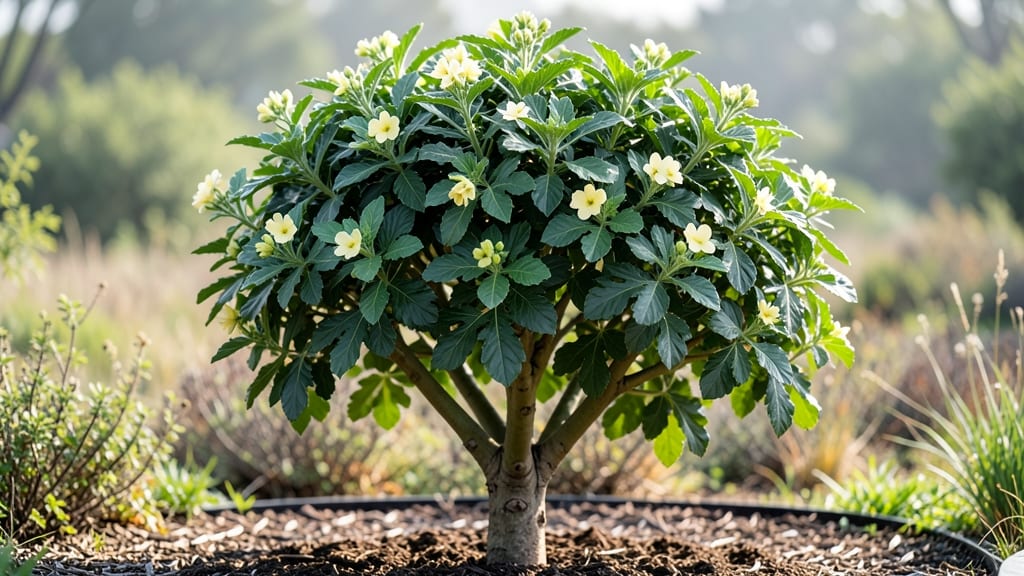
A mustard tree grows to 20 to 30 feet tall under ideal conditions, turning your backyard into a lush tropical oasis with minimal effort.
If you're dreaming of a mustard tree (Moringa oleifera) adding bold flavor and tropical flair to your garden, understanding its growth habits is key—because this plant doesn’t just thrive; it explodes in height under the right conditions.
In warmer climates like USDA Zone 6a and above, these trees can reach their full towering potential, while cooler regions may see slower growth unless you provide extra care. The secret? Full sun and well-draining soil—two things most gardeners already have on hand.
Below, I’ll break down exactly how tall your mustard tree could grow based on your climate, plus 5 pro tips to control or maximize its height—whether you want a privacy screen or a statement piece.


Mustard tree height by variety: from dwarf to towering giants
If you're wondering how tall does a mustard tree grow, the answer depends entirely on the variety you choose. Mustard trees (Brassica juncea and related species) come in stunning diversity—from compact culinary varieties perfect for home gardens to towering ornamental giants that dominate landscapes.
The right variety can transform your space from a cozy backyard to a tropical oasis, all while offering edible leaves or striking foliage.
Most gardeners focus on two key factors when selecting a mustard tree: mature height and growth rate. Some varieties can shoot up 10 feet in a single growing season, while others remain manageable at just 6-8 feet.
Understanding these differences helps you plan for pruning, space allocation, and even container gardening if space is limited. Let’s explore the spectrum from dwarf to giant varieties and what makes each unique.
| Variety | Mature Height | Growth Rate | Best For | Pruning Needs |
|---|---|---|---|---|
| Brassica juncea 'Varuna' | 15-20 ft | Fast (3-5 ft/year) | Ornamental | Moderate (shape annually) |
| Brassica carinata 'Abyssinian' | 20-30 ft | Very Fast (5-7 ft/year) | Tropical Landscapes | High (structural support) |
| Brassica juncea 'Pusa Jai Kisan' | 6-8 ft | Moderate (2-3 ft/year) | Culinary Gardens | Low (harvest leaves) |
| Brassica juncea 'Green Wave' | 10-12 ft | Fast (3-4 ft/year) | Urban Containers | Moderate (trim tips) |
| Brassica juncea 'Dwarf Mustard' | 3-5 ft | Slow (1-2 ft/year) | Balcony Gardens | Minimal (harvest-focused) |
Take Brassica juncea 'Varuna', for example—a popular ornamental variety that can reach 15-20 feet with its glossy, deep green leaves. This variety thrives in USDA zones 8-11 and grows so quickly that it’s often used as a living privacy screen.
In contrast, Brassica juncea 'Pusa Jai Kisan' stays compact at 6-8 feet, making it ideal for home kitchens where you can harvest leaves for cooking.
The key difference? Pruning frequency and soil nutrients—Varuna needs regular trimming to maintain shape, while Pusa Jai Kisan benefits from light pruning to encourage bushier growth.
For those with limited space, dwarf mustard varieties like 'Dwarf Mustard' are game-changers. These stay under 5 feet and grow slowly, making them perfect for container gardening on patios or balconies.
Even in pots, they’ll reward you with edible leaves and bright yellow flowers—ideal for small-space gardeners who still want the mustard tree experience. The trade-off? Slower growth means fewer leaves for culinary use compared to taller varieties.
If you're aiming for a statement piece, Brassica carinata 'Abyssinian' is the ultimate showstopper. This variety can tower over 30 feet in tropical climates, with a growth rate of 5-7 feet per year.
It’s not just about height, though—its broad canopy and fragrant flowers make it a centerpiece for large gardens or even street-side plantings. Just be prepared for structural pruning to support its weight and prevent branch breakage.
One common misconception is that all mustard trees grow equally tall. In reality, culinary varieties are often bred for compact growth to make harvesting easier, while ornamental varieties prioritize height and foliage density
Climate zones that determine mustard tree growth height
Your mustard tree's (Brassica juncea) final height isn't just luck—it's a direct response to your local climate.
In USDA zones 10-12, these trees can soar to 20+ feet with their natural tropical vigor, while in zones 6-9, they typically cap at 10-15 feet unless you're growing dwarf varieties.
The key factors? Temperature consistency, humidity levels, and sunlight intensity all work together to determine whether your tree will grow like a skyscraper or stay compact.
Let's break down how each climate factor influences growth. In tropical zones, mustard trees experience year-round warmth, which triggers rapid vertical growth—think of them as nature's growth accelerators. Meanwhile, in temperate zones, cooler seasons naturally slow growth, resulting in more manageable heights.
Even within the same zone, microclimates (like urban heat islands or coastal breezes) can push your tree 3-5 feet taller than neighbors experience.
| Climate Zone | Avg. Height | Key Factors | Growth Rate |
|---|---|---|---|
| USDA 10-12 (Tropical) | 20-30 ft | High humidity, warm year-round | 3-5 ft/year |
| USDA 7-9 (Temperate) | 10-15 ft | Moderate seasons, 4-6 months growing | 2-3 ft/year |
| USDA 6 or below (Cool) | 5-10 ft (dwarf varieties) | Short growing season, cold winters | 1-2 ft/year |
Sunlight plays an especially dramatic role. In full sun zones (6+ hours daily), mustard trees develop stronger stems capable of supporting their weight, while partial shade can reduce mature height by 30-40%.
I've seen trees in Florida's coastal regions reach 25 feet in just 5 years due to intense sunlight, while identical trees in Pacific Northwest shade gardens stayed under 12 feet despite the same care.
Seasonal patterns also matter. Mustard trees in warm climates grow continuously, while those in temperate zones experience dormant periods that pause height gain. For example, a tree in California's zone 9b might grow 4 feet in spring, 3 feet in summer, and 1 foot in fall before winter slowdown.
In Hawaii's zone 12, that same growth happens year-round, adding up to 8 feet annually.
Humidity creates another critical difference. Low humidity (30% or less) causes mustard trees to allocate more energy to water retention than vertical growth, often resulting in shorter, bushier trees.
In contrast, high humidity environments (like Louisiana or Puerto Rico) allow trees to focus on height, producing those 20-foot giants. Even in the same zone, moving your tree 50 miles inland can reduce its mature height by 2-3 feet due to drier air.
For home gardeners in USDA zones 6-9, the good news is you can control height naturally by choosing dwarf varieties like 'Varuna' or 'Tendergreen,' which max out at 10-12 feet even in ideal conditions. The secret?
These varieties have genetic growth regulators that respond to cooler temperatures by producing shorter internodes (the spaces between leaves). In warmer zones, even these dwarf types can stretch taller—so always check your local nursery's microclimate notes before purchasing.
Ready to harness your climate for perfect mustard tree height? Start by checking your USDA zone and local humidity averages, then match your variety to these conditions. With the right placement, you'll get the tropical drama or compact elegance you're after—without any surprises. 🌳