
How To
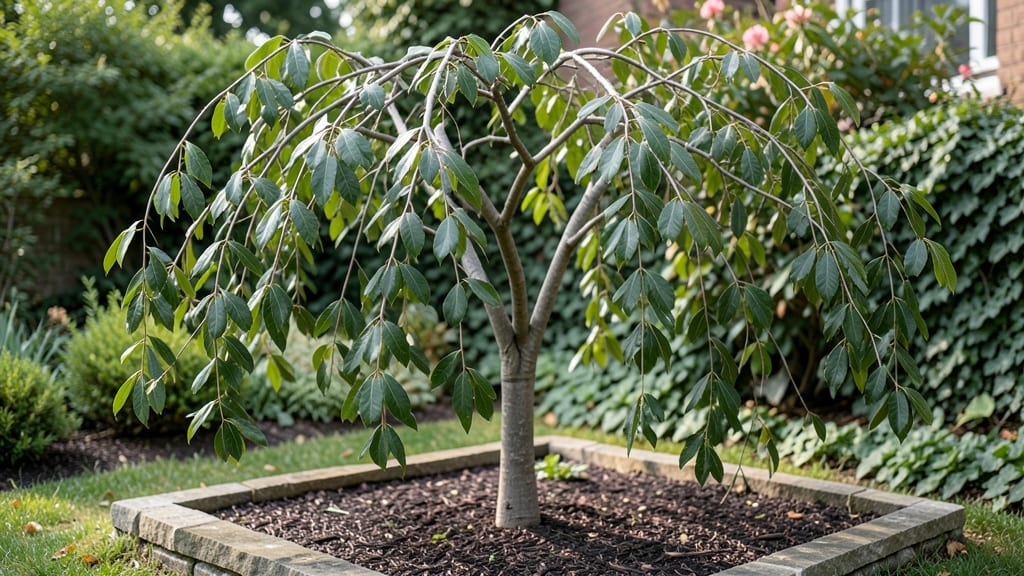
A Benjamin fig tree 🌳 can grow anywhere from 10 to 30 feet tall—depending on whether you're growing it indoors or outdoors. If you’ve ever considered adding one to your home or garden, you might be surprised by how much space it can take up over time.
Indoor trees rarely reach their full outdoor potential, but without proper pruning, they can still stretch toward the ceiling and beyond. Outdoors, in warmer climates, they can become towering shade trees, so planning for their mature size is key.
Light, pot size, and pruning habits all play a role in controlling height. Too much sunlight and a spacious container can encourage rapid growth, while strategic trimming keeps them manageable. I’ll break down how to manage their size—whether you want a compact houseplant or a controlled outdoor specimen.
Ready to learn the secrets to keeping your Benjamin fig tree at your ideal height? Let’s dive into the care tips that make all the difference.


Benjamin fig tree height limits: indoor growth potential explained
The Benjamin fig tree (Ficus benjamina) is a popular choice for indoor gardening, but its height potential depends entirely on your care approach.
Without intervention, this fast-growing tree can reach 10-15 feet tall indoors within 5-7 years—though most homeowners keep it much smaller through pruning and container management. The key to controlling its growth lies in understanding three critical factors: light exposure, pot size, and pruning frequency.
Indoors, your Benjamin fig tree’s growth rate slows compared to outdoor conditions, but it remains aggressive when happy. A tree in a 12-inch pot with bright, indirect light may grow 1-2 feet per year, while one in a 20-gallon container could surge 3-4 feet annually if left unchecked.
The good news? With strategic care, you can maintain a compact, manageable size—even in small spaces.
Here’s the breakdown of indoor growth potential based on your care choices:
| Growth Factor | Indoor Height Range | Key Control Method |
|---|---|---|
| Unpruned Growth | 10-15 ft in 5-7 years | No pruning + large container |
| Pruned Regularly | 3-8 ft (adjustable) | Trim back 2-3 times/year |
| Small Pot (<12") | 3-6 ft max | Root-bound stress slows growth |
| Large Pot (20+ gal) | 8-12 ft in 5 years | More soil = faster growth |
| Low Light Conditions | 1-3 ft per year | Leggy growth, needs pruning |
| Bright Indirect Light | 2-4 ft per year | Ideal for balanced growth |
Light is the single most influential factor in your Benjamin fig tree’s height. Place it near a south- or west-facing window for optimal growth, but avoid harsh direct afternoon sun, which can scorch delicate leaves.
If your tree starts stretching toward light with long, sparse branches, it’s a sign it needs more brightness—or a growth regulator to slow vertical expansion.
Pot size directly correlates with height potential. A Benjamin fig tree in a 5-gallon pot will stay under 6 feet tall unless you fertilize heavily, while the same tree in a whiskey barrel (20+ gallons) can easily hit 10 feet in 3 years.
The secret? Root restriction naturally limits height. When roots fill the container, the tree focuses energy on leaf production rather than vertical growth.
Pruning isn’t just about aesthetics—it’s a growth control tool. To maintain a compact shape, prune back 1/3 of new growth in early spring and again in late summer.
For faster height control, trim just above a leaf node to encourage bushier growth. Avoid heavy pruning in winter, as the tree enters dormancy and may struggle to recover.
Myth-busting time: Benjamin fig trees don’t grow indefinitely indoors. Unlike some tropical plants, they self-regulate when space is limited. A tree in a small apartment with proper care will naturally stay under 6 feet—but only if you prune consistently and avoid over-potting.
The #1 mistake I see? Giving a 3-foot tree a 20-gallon pot and expecting it to stay small.
For ultra-compact growth, try these three pruning techniques:
- Topping: Cut the main stem to encourage branching
- Pinching: Trim new shoots to 2-3 leaves to promote width
- Layering: Bend lower branches to ground to root and create a bushier base
Each method can reduce vertical growth by 30-50% while maintaining a lush appearance.
Remember, your Benjamin fig tree’s height is 100% manageable—but it requires intentional care. Start with a medium-sized pot, place it in bright light, and prune seasonally.
With this approach, you can enjoy a healthy, proportional tree that fits your space perfectly—whether you want a 6-foot statement piece or a 3-foot tabletop tree.
Pro tip: Rotate your tree every few months to ensure even growth. Uneven light exposure leads to lopsided height development, where one side grows 1-2 feet taller than the other. A little rotation keeps your tree balanced and beautiful.
Outdoor Benjamin fig tree growth: how climate and space affect height
The Benjamin fig tree (Ficus benjamina) can reach stunning heights outdoors when given the right conditions—up to 50 feet or more in tropical climates. Unlike its indoor counterpart, outdoor-grown trees have unlimited upward potential when planted in spacious gardens or landscapes.
However, their growth rate and mature size depend heavily on your USDA hardiness zone and local microclimates.
In USDA Zones 9-11, where winters are mild, Benjamin fig trees thrive year-round and can grow 2-3 feet per year under ideal conditions. Tropical regions like Hawaii or Florida often see even faster growth due to consistent warmth and humidity.
Meanwhile, in cooler zones like Zone 8, growth slows significantly, and trees may struggle to exceed 15-20 feet without winter protection.
| Factor | USDA Zones 9-11 | Tropical Regions | Cooler Zones (Zone 8) |
|---|---|---|---|
| Mature Height | 30-50 ft | 40-60 ft | 10-20 ft |
| Annual Growth Rate | 2-3 ft/year | 3-5 ft/year | 1-2 ft/year |
| Sunlight Needs | Full sun (6+ hrs) | Partial shade | Morning sun |
| Soil Type | Well-draining | Rich, loamy | Sandy loam |
| Pruning Impact | Critical for shape | Essential for height | Minimal needed |
Soil quality plays a crucial role in determining how tall your Benjamin fig tree grows. In well-draining, nutrient-rich soils, roots expand rapidly, fueling faster vertical growth. Amend heavy clay soils with compost or sand to prevent root rot, which can stunt growth. In tropical regions, organic matter like leaf litter or mulch helps retain moisture, supporting the tree’s rapid expansion.
Sunlight exposure directly correlates with height—full sun (6+ hours daily) maximizes growth potential, while partial shade slows it down.
In USDA Zone 10, trees planted in open, sunny areas can reach 40 feet in 10 years, whereas those in shadier microclimates may only grow to 20 feet over the same period. Always choose a south-facing location for optimal sunlight.
Regular pruning is essential to manage height, especially in urban gardens where space is limited. Prune late winter or early spring to shape the tree and encourage lateral branching. Avoid heavy pruning in hot summers, as it stresses the tree and can reduce growth.
In tropical climates, annual pruning every 1-2 feet keeps the tree manageable while maintaining its natural form.
If you’re planting a Benjamin fig tree outdoors, space planning is key. Allocate at least 20 feet of clearance for mature trees in USDA Zone 9, and 30+ feet in tropical regions.
Mulching around the base helps retain moisture and regulate soil temperature, both of which support vigorous growth. With the right conditions, your outdoor Benjamin fig tree can become a stunning focal point in your landscape.