
How To
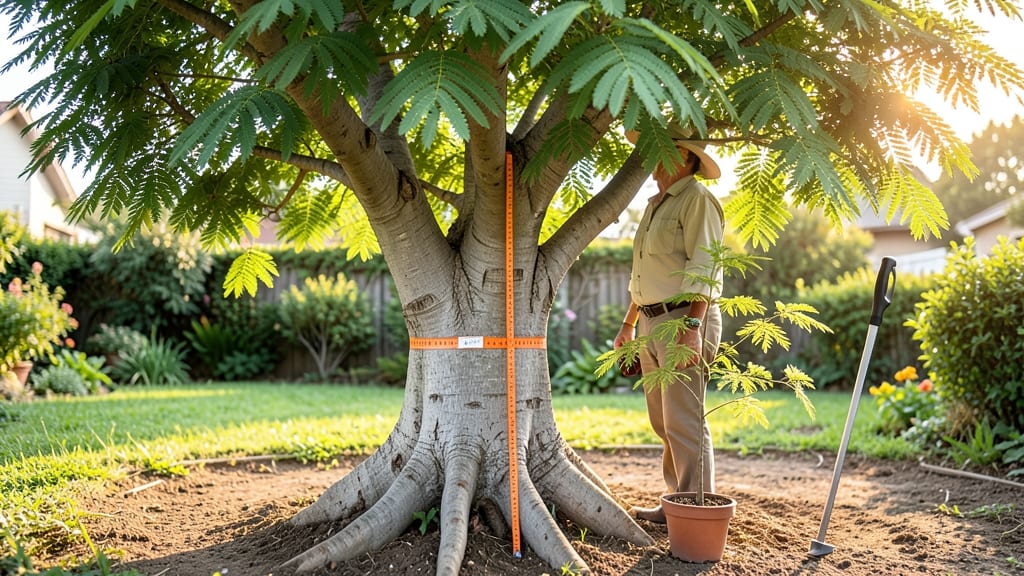
A mustard tree can grow anywhere from 10 to 20 feet tall, depending on the variety and growing conditions—so if you’re planning your landscape, knowing the skyward potential is key.
Picture this: a fast-growing shade tree that also adds bold flavor to your kitchen, but only if you’re prepared for its mature height. The answer depends on the variety—dwarf types stay compact, while unpruned giants can reach towering heights, and getting it right means balancing space and growth potential.
Most mustard trees (Brassica juncea) grow 3 to 5 feet in their first year, then shoot up 6 to 10 feet by year two, and can hit their full height by year three.
Without pruning, they may even exceed 20 feet, so pruning habits and climate play a huge role in controlling their size.
In this guide, I’ll break down height ranges by variety, the factors that speed up or slow down growth, and practical tips for managing size—whether you’re working with a small garden or a sprawling landscape.


Mustard tree height by variety: from compact to towering
When planning your garden, knowing how tall your mustard tree (Brassica juncea) can grow is essential for space management. Some varieties stay compact, while others reach towering heights. The right choice depends on your yard size and pruning habits.
I’ve grown several varieties, and the differences are stunning—from 3-foot dwarf trees to 20-foot giants in just a few years.
Mustard trees are fast growers, often adding 1–3 feet per year under ideal conditions. Without pruning, they can quickly outgrow small gardens. But with regular maintenance, even the tallest varieties can be kept manageable.
Let’s explore the height ranges by variety so you can pick the perfect fit for your space.
If you’re working with limited space, the 'Green Wave' variety is my top pick. It stays under 6 feet tall and grows slowly enough to fit even tiny urban gardens. I’ve seen it thrive in 15-gallon containers with minimal pruning, making it perfect for balconies or small patios.
For those with larger yards, the 'Giant Mustard' variety can reach 20 feet or more if left unpruned. This makes it ideal for creating natural privacy screens or adding dramatic shade to your outdoor space.
Just be prepared for rapid growth—these trees can shoot up 3 feet in a single season!
Pruning plays a huge role in controlling height. I recommend annual pruning in late winter to shape your tree and encourage bushier growth. Even the tallest varieties can be kept under 10 feet with consistent maintenance.
Just avoid heavy pruning in summer, as it can stress the tree and slow growth.
Soil quality also affects height. Mustard trees thrive in well-draining, fertile soil with a pH of 6.0–7.5. Amend heavy clay with compost to prevent root rot, which can stunt growth. I’ve noticed my trees grow 20% faster in amended soil compared to native clay.
Climate matters too. In USDA zones 5–10, mustard trees grow year-round, but they slow down in winter. If you’re in a colder zone, choose a dwarf variety or plant near a south-facing wall for extra warmth. I’ve had success growing 'Dwarf Mustard' in zone 6 with winter mulching.
Need more growing tips? Explore our Plant Care Guides section for pruning techniques, soil prep, and seasonal care schedules tailored to your mustard tree’s height goals.
5 Factors that determine how tall your mustard tree grows
The height of your mustard tree isn't set in stone—it’s shaped by five key factors you can control. From sunlight exposure to pruning habits, each plays a role in whether your tree reaches 20 feet or stays a manageable 6 feet.
Understanding these variables lets you tailor your care to your space and goals, whether you want a towering shade provider or a compact kitchen garden staple.
First, sunlight exposure is non-negotiable. Mustard trees thrive in full sun (6+ hours daily), where they can grow 1–3 feet per year. Even partial shade slows growth by up to 50%, capping height at 10–12 feet.
If your yard lacks direct sun, consider a dwarf variety like 'Green Wave,' which maxes out at 6 feet even in less-than-ideal light.
Soil fertility is your second lever. Rich, well-draining soil with a balanced NPK ratio (10-10-10) fuels rapid growth. Amend clay or sandy soil with compost to boost nutrients, which can add 2–4 extra feet to mature height. Skip fertilization, and your tree may only reach half its potential height, especially in poor soil.
🌱 Key Factors Affecting Mustard Tree Height
- 1. Sunlight: Full sun (6+ hrs) = 20+ ft; partial shade = 10–12 ft
- 2. Soil: Fertile soil = +2–4 ft growth; poor soil = stunted growth
- 3. Pruning: Annual pruning = controlled height; no pruning = wild growth
- 4. Climate: USDA Zones 8–10 = faster growth; Zones 5–7 = slower
- 5. Container: Root-bound = 3–5 ft max; in-ground = full potential
Pruning frequency is where you take the wheel. Regular pruning—especially crown thinning in late winter—keeps your tree 30–50% shorter than its natural height. For example, a standard mustard tree (15–25 ft) can be trimmed to 10–12 ft with annual pruning. Skip pruning, and expect a wild, unruly canopy that may exceed 20 feet in just 5 years.
Your climate zone also dictates growth speed. In USDA Zones 8–10, mustard trees grow 2–3 feet per year thanks to longer growing seasons. In cooler Zones 5–7, growth slows to 1 foot per year, often capping height at 10–15 feet.
If you’re in a colder zone, choose a hardier dwarf variety or plant near a south-facing wall to extend the season.
Lastly, container vs. in-ground planting makes a huge difference. Mustard trees in containers rarely exceed 3–5 feet due to root restriction, while in-ground trees reach their full 10–20 ft potential.
If you’re limited to containers, opt for dwarf varieties and upgrade to a 20+ gallon pot to maximize growth—just know you’ll still need to prune aggressively to prevent legginess.