
Size
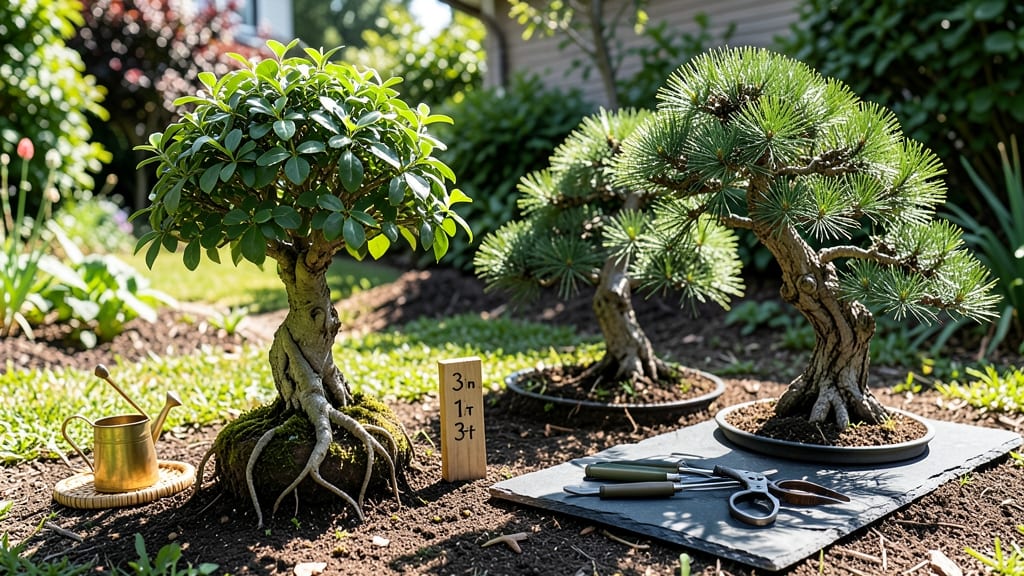
How tall can a bonsai tree grow? The answer might surprise you—anywhere from a few inches to over three feet, depending on the species and your pruning approach—far more than most people realize.
Ever wondered why bonsai trees stay so small—or how you can control their height to fit your home or garden? The answer lies in their species, pruning techniques, and patience, but the possibilities are far more flexible than most beginners realize.
Some bonsai varieties, like the shohin class, stay under 12 inches even at maturity, while others, such as junipers or pines, can reach three feet with the right care. The key is understanding your tree’s natural growth habits and how to guide it—without stunting its health.
In this guide, I’ll break down the height ranges of popular bonsai species, share the pruning secrets to maintain your desired size, and help you avoid common mistakes that can leave your tree looking leggy or unhealthy.


Natural height limits of popular bonsai species (with size charts)
When I first started growing bonsai, I assumed all bonsai trees stayed tiny because of magic—until I learned about their natural height limits.
Some species, like the Shimpaku Juniper, naturally stay under 12 inches even without heavy pruning, while others, like Black Pine, can reach three feet with proper care. The key difference? Their species-specific growth habits and how we interact with them through pruning and training.
Bonsai trees are miniature versions of their wild counterparts, but their height potential varies wildly. A Japanese Maple bonsai might top out at 24 inches, while a Mame-sized Carmona stays under 6 inches.
Understanding these limits helps you choose the right species for your space and goals—whether you want a windowsill bonsai or a statement piece for your shelf.
Here’s the catch: bonsai trees can grow taller if not properly maintained. Without regular pruning, a Ficus bonsai could easily reach 6 feet in nature—but as a bonsai, it’s trained to stay between 12 and 24 inches.
The table below compares 10 popular bonsai species, their natural mature heights, and their typical bonsai size ranges.
Notice how the natural height of these trees in the wild (left column) dwarfs their bonsai counterparts. For example, a Black Pine can grow to 50 feet outdoors but is typically kept between 1.5 and 3 feet as a bonsai.
This transformation happens through pruning, root restriction, and wiring, not because the tree is genetically altered.
If you’re working with limited space, shohin-style bonsai (under 6 inches) are perfect for windowsills or desks. Species like Carmona or
How pruning and training techniques control bonsai tree height
Bonsai trees stay small through a combination of artistic training and scientific pruning. While some species naturally grow tiny, others need careful intervention to maintain compact sizes. The key lies in understanding when and how to prune—whether through defoliation, root restriction, or branch wiring.
Each technique serves a unique purpose, and mastering them lets you shape your bonsai to fit any space, from windowsills to shelves.
As a beginner, I once struggled to keep my Ficus bonsai under 12 inches. After learning proper pruning cycles, I now grow it as a shohin-style tree (under 6 inches).
The difference comes from timing: pruning at the right growth stage prevents stunted growth while encouraging dense foliage. Let’s break down the methods that actually work—and the mistakes that backfire.
⚠️ Warning: Over-Pruning Stunts Growth
Pruning too aggressively—especially root pruning—can shock your bonsai and trigger compensatory growth, making it grow taller and thinner to recover. For example, cutting 30%+ of roots at once forces the tree to prioritize height over width. Instead, prune roots gradually (10-15% per session) and pair it with branch trimming to maintain balance.
Start with branch trimming, the most common technique. Use sharp, sterilized bonsai shears to trim just above a leaf node or bud. This encourages new growth in the right direction.
For deciduous trees like maple, prune in late winter before buds swell. Evergreens, like pine, can be trimmed year-round but avoid heavy cuts in winter when they’re dormant.
Next, try defoliation for finer foliage. Remove leaves (not just stems) during the growing season to force smaller, denser regrowth. This works best on Ficus, Carmona, and Juniper. After defoliation, reduce water slightly to stress the tree gently—this triggers cellular division that produces miniaturized leaves.
Just don’t overdo it: defoliate only once every 2-3 years to avoid weakening the tree.
Root pruning is often misunderstood. While it restricts height by limiting nutrient uptake, it must be done carefully. Remove 10-15% of roots every 2-3 years in early spring, just before new growth starts. Pair this with repotting into a slightly smaller pot to further slow vertical growth. Pro tip: Use akadama soil, which drains faster and encourages shallower roots—naturally keeping your bonsai compact.
For dramatic height control, use wiring techniques. Aluminum or copper wire bends branches into desired shapes, but remove it within 3-6 months to avoid scarring. Wiring is ideal for creating curved trunks or horizontal branches.
Start with thin wire (1-2mm) for delicate species like Japanese Maple and thicker wire (3-4mm) for robust trees like Pine. Always wire in the opposite direction of natural growth to avoid snapping branches.
Seasonal care seals the deal.
In spring, focus on pruning and fertilizing to encourage new growth. Summer is for watering adjustments and light pruning to shape foliage. Fall slows growth naturally—reduce water and fertilize lightly to prep for dormancy. Winter is for rest: avoid pruning unless dealing with dead branches, and keep your bonsai in a cool, shaded spot (50-60°F).