
How To
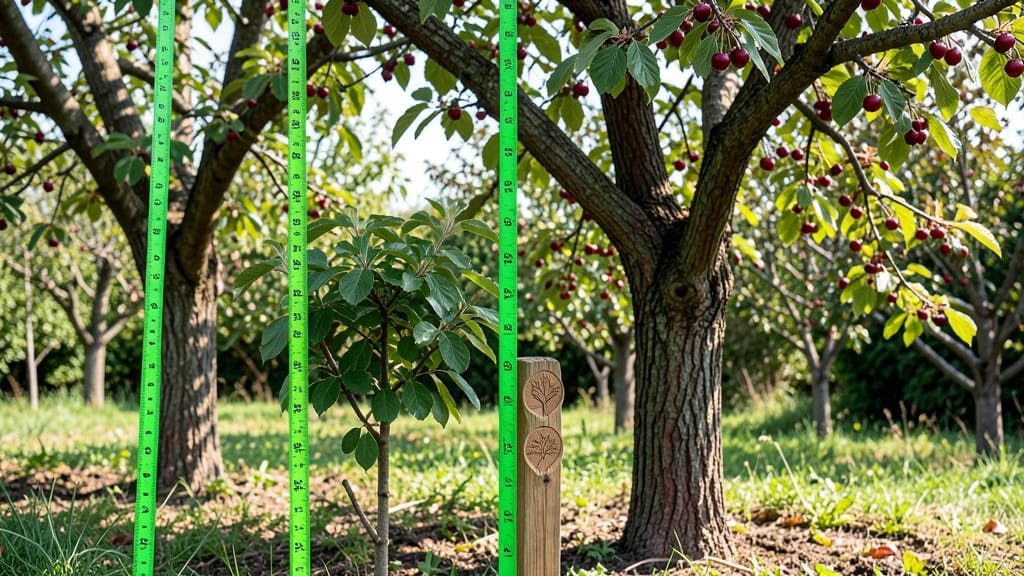
A cherry tree can grow anywhere from 8 feet to over 40 feet tall, depending on the variety and growing conditions.
If you’ve ever dreamed of growing a cherry tree but wondered whether it’ll dwarf your backyard or tower over your house, you’re not alone. The height of a cherry tree varies wildly—from compact dwarf varieties perfect for small spaces to towering giants that need acres to spread their branches.
Sweet cherries like ‘Stella’ or ‘Rainier’ often reach 20-30 feet at maturity, while sour cherry varieties such as ‘Montmorency’ can stretch toward 40 feet or more. Even ornamental types like ‘North Star’ cherry can hit 25 feet if left unchecked.
In this guide, you’ll discover how soil quality, pruning habits, and climate zone (like USDA Zone 6a) influence growth, plus the best dwarf varieties for small gardens and how to keep even standard trees manageable with smart care.


Cherry tree height by variety: dwarf to giant growth charts
Choosing a cherry tree isn’t just about flavor—it’s about space. Some varieties stay under 10 feet, while others reach 40 feet or taller. Whether you’re planning a backyard orchard or a container garden, knowing your tree’s mature height helps you pick the perfect fit.
Below, I’ve broken down the most popular cherry varieties by size, including sweet, tart, and ornamental types, so you can visualize their growth before planting.
Sweet cherries like Stella® or Rainier often grow taller than tart varieties, but dwarf rootstocks can shrink even the largest trees. For example, a standard Bing cherry might hit 25 feet, while the same variety grafted onto Gisela® rootstock stays under 12 feet.
Understanding these differences saves you from outgrowing your garden—or your patience!
🍒
How to control cherry tree height: pruning, spacing, and variety selection
Managing a cherry tree's height starts with choosing the right variety for your space. Standard sweet cherries like Bing or Rainier can reach 25-40 feet tall, while tart cherries like Montmorency may grow 15-25 feet.
The good news? Dwarf rootstocks can reduce height by 50-75%, making them ideal for urban gardens or small backyards.
Pruning is your best tool for controlling height after planting. When done correctly, it encourages horizontal branching and prevents vertical growth spurts. Timing matters—late winter or early spring, just before buds swell, is the optimal window for structural pruning. This ensures you shape the tree before new growth begins.
Here’s how to manage height at every stage:
- Dwarf: 8-12 ft (e.g., Stella® or Pixwell® rootstocks). Perfect for containers or tight spaces.
- Semi-dwarf: 12-18 ft (e.g., Gisela® series). Balances size and fruit production for small yards.
- Standard: 20-40 ft (seedling rootstock). Needs ample space but yields larger fruit.
- Dwarf trees: 6-8 ft from structures or other trees. Allows airflow and easy pruning.
- Semi-dwarf trees: 12-15 ft spacing. Supports mature canopy without crowding.
- Standard trees: 20-30 ft spacing. Essential for full growth and fruit quality.
- Year 1: Remove suckers and water sprouts to encourage a strong central leader.
- Years 2-3: Prune to open-center shape—cut back 25-30% of vertical growth annually.
- Mature trees: Focus on thinning dense branches to improve light penetration and fruit access.
- Winter (dormant): Remove dead wood and crossing branches to prevent disease.
- Spring (bud swell): Light pruning to shape canopy and redirect energy to fruit production.
- Summer (post-harvest): Trim overly vigorous shoots to maintain balance.
For container-grown cherries, dwarf varieties on Pixwell® rootstock thrive in 15-gallon pots with regular pruning to control height. Use a balanced fertilizer (10-10-10) in early spring to support compact growth, but avoid over-fertilizing, which can stimulate excessive height.
Remember, cherry trees grow 3-5 feet per year when young, so consistent pruning and spacing are key. If you’re working with a standard variety, plan for long-term height management—think ladder pruning or even hiring a professional for high branches.
With the right approach, you can enjoy cherry tree height that fits your space perfectly.
🍒