
Blooming
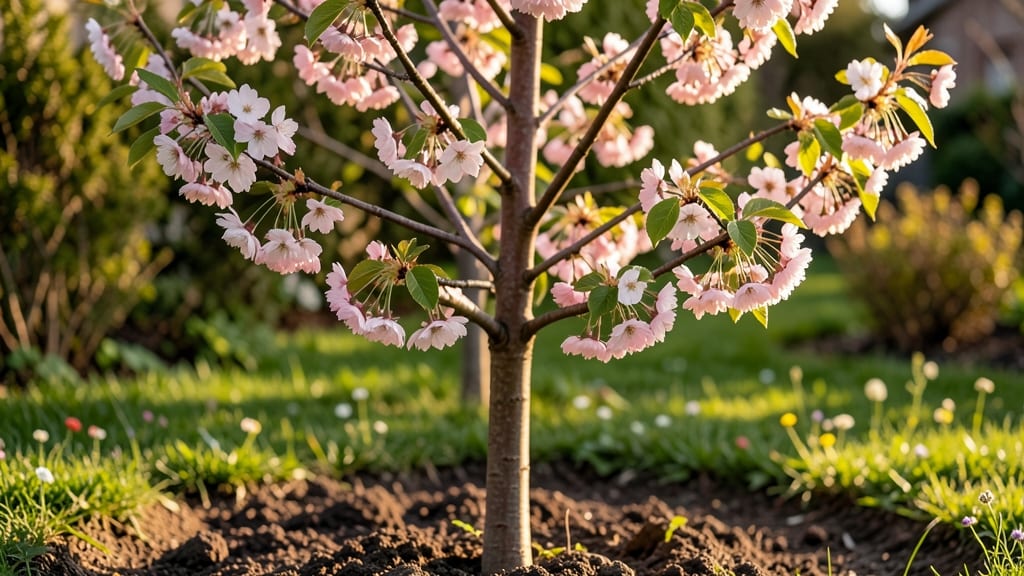
Your sour cherry tree’s first blush of pink signals the start of a fruit-filled future—but timing those blossoms right depends entirely on where you live. 🌸 I’ve watched my own tree go from bare branches to a cloud of blossoms in just 10 days when conditions align, and I’m sharing the zone-by-zone secrets that make the difference between a spectacular spring show and a disappointing one.
The magic starts with planting in the right spot: full sun, well-drained soil, and a location sheltered from late frosts. In Zones 4-6, blossoms arrive as early as late April, while gardeners in Zones 7-9 can expect them 2-3 weeks later.
Prune in late winter to open the canopy for sunlight, and feed with compost in early spring to fuel those delicate buds.
When everything clicks, you’ll see clusters of white-pink blossoms that perfume the air for weeks. The payoff? Juicy, tart cherries by summer. The key is patience—those blossoms mean fruit, but they’re also vulnerable to frost, so keep an eye on the forecast.
A light mulch helps regulate soil temps and keeps roots happy.
Even in challenging climates, these trees thrive with the right care. Whether you’re growing for fruit or just love the spring spectacle, the timing secrets here will help you get the most from your sour cherry. Let’s make next year’s blossoms the best yet!
📚 In This Guide
- What you need
- Instructions
- Tips and common mistakes
- Wrapping up and next steps
What you need
- ● Sour cherry tree: 1–3 saplings (self-rooted or grafted, Prunus cerasus variety—e.g., 'Montmorency' or 'Morello')
- ● OR seeds from fresh, organic sour cherries (soak in water for 24–48 hours to soften the pit)
- ● Soil: 5–10 lbs of well-draining potting mix (or loamy garden soil with pH 6.0–7.0)
- ● 1–2 lbs of compost (for nutrients)
- ○ Optional: Sulfur (if soil is alkaline)
- ● Container or planting site: 5–15 gallon pot (if growing in containers) OR a sunny, spacious garden bed (6’+ diameter for mature trees)
- ● Drainage layer: Crushed gravel or perlite (2–3 inches for pots)
- ● Garden tools: Trowel or shovel
- ● Pruners (sterilized with rubbing alcohol)
- ● Grafting tools (if grafting—knife or grafting whip)
- ● Climate zone prep: Cold-hardy varieties: Row cover or frost cloth (for Zones 5–6)
- ● Heat protection: Shade cloth (30–50%) (for Zones 7–9 during extreme heat)
- ○ Optional (but helpful!): Soil test kit ($10–$20)
- ● Mulch (wood chips or straw, 2–3 inches)
- ● Drip irrigation system (for consistent moisture)
- ● Know your USDA Hardiness Zone: Sour cherries thrive in Zones 3–7 (adjust care based on your zone!)
- ● Sunlight: 6–8+ hours of full sun daily (non-negotiable for blossoms!)
- ● Patience: Trees take 3–5 years to bloom (seeds may take 5–7 years)
- ● Cross-pollination note: Plant at least 2 trees (different varieties) for fruit AND blossoms!
Instructions for timing sour cherry tree blossoms by climate zone
Here's how to align your growing conditions with nature's bloom schedule for maximum success.
🌱 Step 1: Select the Right Cultivar for Your Zone
Sour cherries thrive in USDA Zones 4-7, but bloom timing varies dramatically between varieties. For early bloomers like 'Montmorency', expect blossoms in late April to early May in Zone 5, while late varieties like 'Meteor' bloom 2-3 weeks later. Check your zone's last frost date—cherries need 1,000-1,500 chill hours below 45°F to set buds properly.
I always cross-reference the variety's bloom window with my local weather patterns. For example, 'Stella' blooms when forsythia is in full leaf—a reliable local cue. If you're in Zone 6, avoid late-blooming types like 'Balaton', which often get caught by spring frosts. Your nursery should specify chill requirements—don't guess on this.
☀️ Step 2: Position for Optimal Sun and Airflow
Plant your sour cherry in full sun (minimum 6-8 hours daily) with sheltered exposure to prevent frost damage. I position trees on the south or west side of the property where they catch afternoon warmth but aren't exposed to cold air pockets. The blossoms need warm days (60°F+) to open fully, so avoid low-lying areas where cold air settles.
Spacing matters too—20-25 feet apart ensures proper airflow, which reduces fungal diseases like brown rot that target blossoms. I always plant with the graft union 2-3 inches above soil level—this prevents rootstock from dominating and ensures fruit quality. Mulch with 3-4 inches of organic matter (like wood chips) to regulate soil temperature and retain moisture during bloom.
💧 Step 3: Water Strategically During Bud Development
Start deep watering in late winter (when buds begin swelling) to prevent drought stress. Aim for 1-1.5 inches per week, delivered at the base of the tree—never overhead during bloom to avoid fungal spores. I use drip irrigation on a timer to maintain consistent moisture without wetting the blossoms.
Watch for bud swell in early spring—that's your signal to increase water slightly. If the ground feels dry 2 inches below the surface, it's time to water. Overhead sprinklers during bloom can spread diseases, so I avoid them entirely. The goal is even moisture without soggy soil—cherry blossoms need hydration but hate waterlogged roots.
⏰ Step 4: Protect Blossoms from Late Frosts
Sour cherries bloom before leaves emerge, making them vulnerable to late frosts. I monitor the National Weather Service for frost warnings and have row covers or frost cloths ready. If temperatures dip below 28°F, cover the tree immediately—even a light frost can damage blossoms and reduce fruit set.
For severe frost risks, I also plant windbreaks (like evergreen hedges) to create microclimates that trap heat. Prune in late winter to open the canopy, allowing sunlight to warm blossoms faster in spring. Never prune after bloom—you'll remove next year's fruit buds by mistake. The key is observation: if buds are half-open when frost is forecast, they're at critical risk.
🌿 Step 5: Fertilize for Strong Blooms
Apply a balanced fertilizer (10-10-10) in early spring when buds begin to swell. I spread ½ pound per 100 square feet of canopy, working it into the top 6 inches of soil. Avoid high-nitrogen fertilizers—they promote leafy growth at the expense of blossoms. Instead, focus on phosphorus and potassium to support flower development.
I also top-dress with compost in fall to build soil organic matter, which improves root health and bloom vigor. If your tree is young (under 5 years), hold off on heavy fertilization—too much nitrogen causes excessive vegetative growth that weakens blossoms. The goal is moderate, steady nutrition—not a sudden flush of chemicals.
Tips & tricks for perfect sour cherry tree blossoms
These insider secrets will help you navigate the delicate balance between nature's timing and your orchard's success.
Variety-Specific Observation: Pay close attention to the specific bloom window for your chosen cultivar. While 'Montmorency' typically blooms in late April to early May in Zone 5, I've noticed that cooler springs can delay this by up to 10 days. Use local flora as cues—when forsythia reaches full bloom, it's a reliable indicator that 'Stella' varieties are about to follow. This natural synchronization helps me anticipate frost risks and adjust my frost protection preparations accordingly.
Microclimate Mastery: The 6-8 hours of full sun requirement is non-negotiable, but what's often overlooked is the importance of afternoon warmth. I've found that positioning trees on the south or west side of buildings or fences creates microclimates that can add crucial 5-10°F of warmth during critical bloom periods. This small adjustment has helped me avoid frost damage in Zone 5 springs where temperatures can fluctuate dramatically between day and night.
Watering Precision: The 1-1.5 inches per week guideline is excellent, but timing matters just as much as quantity. I've learned to increase watering slightly (by about 20%) when buds begin to swell in late winter, which typically occurs when average daily temperatures reach 45°F consistently. This preemptive approach prevents drought stress during the most vulnerable growth phase. Remember, the goal is consistent moisture—not soggy soil—so always check 2 inches below the surface before watering.
Frost Protection Strategy: Having row covers ready isn't enough—you need to know exactly when to deploy them. I've developed a simple rule: if buds are half-open and temperatures are forecast to drop below 28°F, it's time to cover. For severe frost risks, I also use a thermometer to monitor overnight lows. The key is acting before the frost hits, not after. This proactive approach has saved multiple harvests in my Zone 5 orchard where late frosts are common.
Pro Tips for Sour Cherry Tree Blossom
- These insider secrets will help you navigate the delicate balance between nature's timing and your orchard's success.
- Variety-Specific Observation: Pay close attention to the specific bloom window for your chosen cultivar.
- Microclimate Mastery: The 6-8 hours of full sun requirement is non-negotiable, but what's often overlooked is the importance of afternoon warmth.
Frequently asked questions
about sour cherry tree blossoms—because every gardener deserves clarity! Here are answers to the most common questions to help you nurture those stunning blooms.When do sour cherry trees typically bloom?
Sour cherry trees (like Prunus cerasus) usually bloom in early to mid-spring, often between late March and April, depending on your climate zone. Cooler zones (e.g., USDA 4-5) may see blooms slightly later, while warmer zones (6-7) could see them as early as February. Pro tip: Monitor local frost dates—late frosts can damage blossoms, so choose cold-hardy varieties if you’re in a risky zone.
How do I know if my sour cherry tree is healthy enough to bloom?
A healthy tree needs full sun (6+ hours/day), well-draining soil, and regular watering (especially in the first year). Look for dark green leaves, no signs of pests/disease, and steady growth. If your tree is young (<3 years), it may prioritize root/leaf growth over blooms. Troubleshoot: Yellowing leaves? Check for overwatering or nutrient deficiencies (add compost or a balanced fertilizer).
What should I do if frost threatens during blossom season?
Late frosts (<28°F) can kill blossoms, but don’t panic! Cover young trees with frost cloth at night and remove it by midday. For established trees, water the roots deeply before frost to insulate them. If blooms are already damaged, the tree may still produce fruit (just fewer). Preventative tip: Plant near a south-facing wall or choose late-blooming varieties like ‘Montmorency’ for frost-prone areas.
Can I grow sour cherry trees in containers? How does it affect blossoms?
Yes! Use a large pot (20+ gallons) with drainage holes and a high-quality potting mix. Container trees may bloom slightly later than in-ground trees due to root restrictions, but with proper care (fertilizer, pruning), they can still produce stunning flowers. Watch for: Overheating in summer—move to partial shade if needed.
Why aren’t my sour cherry blossoms attracting pollinators?
Sour cherry trees are self-pollinating but benefit from bees/wind. If blooms aren’t attracting pollinators, check for:
- Pesticide use (even natural sprays can repel bees—try neem oil after blooming).
- Poor timing (early spring blooms may coincide with cold snaps when bees are inactive).
- Lack of diversity—plant companion flowers like crabapples or fruit trees to boost pollinator activity.
What’s the best alternative if my climate isn’t ideal for sour cherries?
If your zone is too hot (8+) or too cold (<4), try:
- Tart cherries (Prunus nigra)—hardier and more adaptable.
- Dwarf sour cherry varieties (e.g., ‘Balaton’)—better for containers and smaller spaces.
- Sweet cherries (Prunus avium)—if you prefer larger fruit (but they need cross-pollination).
Wrapping up and next steps
The sour cherry tree blossom is a breathtaking sight that rewards patience and care—whether you’re a seasoned gardener or a curious beginner. By understanding your climate zone and following the right timing, you’ll unlock a garden filled with vibrant blooms and future harvests. 🌸
Now that you’re armed with the secrets to success, take the next step: plant your tree and watch it thrive! Share your progress with fellow gardening enthusiasts or dive deeper into pruning techniques to keep your cherry tree blooming beautifully for years to come.