
How To
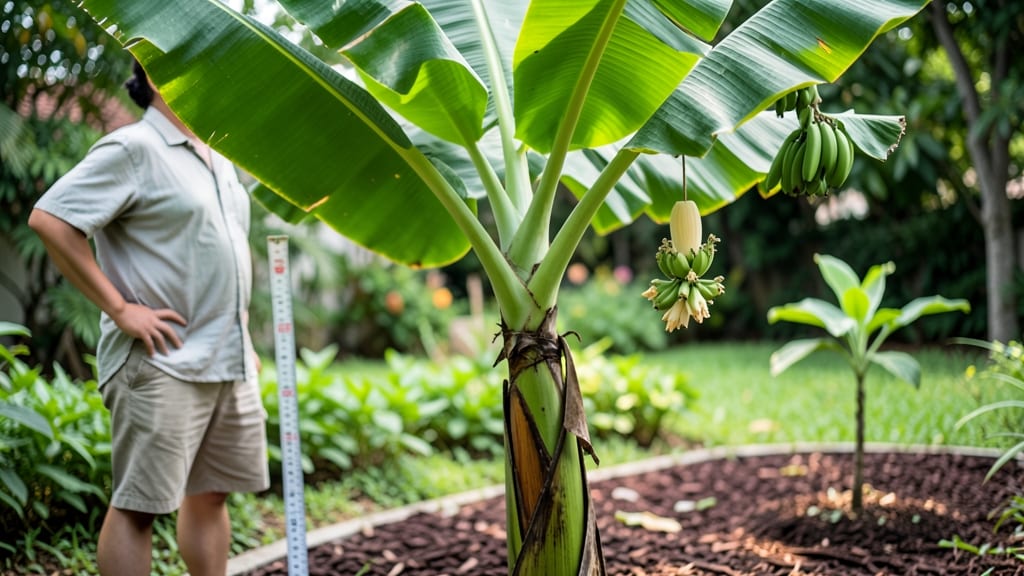
Banana trees can grow anywhere from 8 feet to over 30 feet tall, depending on the variety and growing conditions. Imagine a tropical giant reaching higher than your two-story house—or a compact 🍌 that fits snugly in a backyard planter!
Did you know some banana trees tower over 30 feet tall while others stay compact enough for a backyard planter? Understanding the height potential of banana varieties is key to choosing the right one for your space—whether you dream of a tropical jungle or just a few ripe bunches.
In General (Tropical/Subtropical Regions), where these plants thrive year-round, dwarf varieties like the 'Dwarf Cavendish' stay between 8-12 feet, while giants like the 'Ice Cream banana' can shoot up to 20+ feet.
Even in colder zones, with the right care, you can grow them indoors or in containers.
Here, we’ll break down the height ranges by variety, factors that influence growth, and practical tips for managing size—so you can enjoy bananas without losing your garden to a jungle!


Banana tree height by variety: from dwarf to giant species
Choosing a banana tree depends heavily on your space and vision. Some varieties grow as tall as 30 feet, while others stay under 10 feet, making them perfect for containers.
The height differences come from genetic variations within the Musa genus, particularly between Musa acuminata and Musa balbisiana hybrids. Let's explore the range so you can pick the perfect fit for your garden.
Dwarf banana varieties are the smallest options, typically reaching 8-12 feet at maturity. These are ideal for urban gardens, patios, or even large pots. Semi-dwarf varieties grow 12-18 feet, offering a balance between manageable size and productive fruit yields.
On the other end, standard and giant varieties can soar to 20-30 feet, requiring ample yard space or tropical climates.
The comparison table below breaks down popular varieties by height, growth habits, and space needs. This will help you visualize which type aligns with your garden layout and maintenance preferences.
If you're limited to containers, focus on dwarf varieties like Dwarf Cavendish or Red Dacca. These thrive in 15-25 gallon pots with proper drainage. For larger spaces, Grand Nain or Ice Cream Banana offer a balance between manageable height and high yields.
Remember, even dwarf varieties can reach their full height in 2-3 years with ideal conditions.
Tropical giants like Musa balbisiana require full sun exposure and rich, well-draining soil to reach their towering heights. These varieties are stunning but need 10+ feet of clearance above ground and space for their sprawling root systems.
If you're in a cooler climate, consider growing them in large containers that you can move indoors during winter.
One common misconception is that all banana trees grow to 30 feet. In reality, most backyard varieties stay between 10-18 feet. The key to controlling height is choosing the right variety and providing consistent care.
Regular pruning and staking can also help manage growth, especially in windy or urban environments where space is limited.
For those in USDA Zones 10-12, banana trees can grow year-round outdoors. In cooler zones, even dwarf varieties may need container culture or indoor winter care.
A south-facing window with 6+ hours of sunlight can support a potted banana tree indoors, though fruit production may be limited compared to outdoor plants.
When selecting a variety, consider not just height but also fruit productivity
Factors that influence banana tree height (and how to control growth)
Banana trees grow at astonishing rates—some varieties can shoot up 12 inches per week during peak seasons!
But their final height depends on more than just genetics. Climate conditions, soil quality, and even your pruning habits play critical roles in determining whether your banana tree will reach skyscraper heights or stay manageable for your backyard.
In tropical zones (USDA 10-12), banana trees thrive year-round and can grow 20-30 feet tall if left unchecked. However, cooler climates or container growing can dramatically reduce height—sometimes by 50% or more.
Understanding these factors lets you control growth and create the perfect tropical oasis, no matter your space constraints.
Your local climate is the biggest factor in banana tree height. In warm, humid zones, trees grow aggressively year-round, while in cooler regions, growth slows dramatically during winter.
For example, my Dwarf Cavendish in Zone 9 grows 6 feet tall in its first year, but a Musa balbisiana in Zone 11 can reach 15 feet in the same time.
Soil quality directly impacts height potential. Banana trees need well-draining, nutrient-rich soil with a slightly acidic pH (5.5-6.5). Poor soil leads to stunted growth, while amended soil with compost can boost height by 30-50%.
I always mix in aged manure and potassium-rich fertilizer to encourage taller, stronger stems for my Red Dacca variety.
Pruning is your best tool for controlling height. Regularly removing old or damaged leaves redirects energy to fruit production instead of vertical growth. For container-grown trees, I prune back one-third of the leaves every 6 months to keep them under 10 feet.
Always use sterilized pruners to prevent disease—banana trees are surprisingly delicate!
Staking is essential for wind-prone areas or urban gardens with limited space. Use bamboo stakes or wooden supports to guide growth vertically, preventing the tree from flopping over.
I stake my Dwarf Blue Java to a 6-foot bamboo pole, which keeps it upright while allowing it to reach its full height without sprawling.
Finally, choose the right variety for your space. Dwarf types like 'Manzano' or 'Ice Cream' stay under 10 feet, perfect for containers or small yards.
For taller trees, opt for semi-dwarf varieties like 'Grand Nain' (12-18 feet) or standard types like 'Cavendish' (20+ feet). Always check the mature height before planting!