
How To
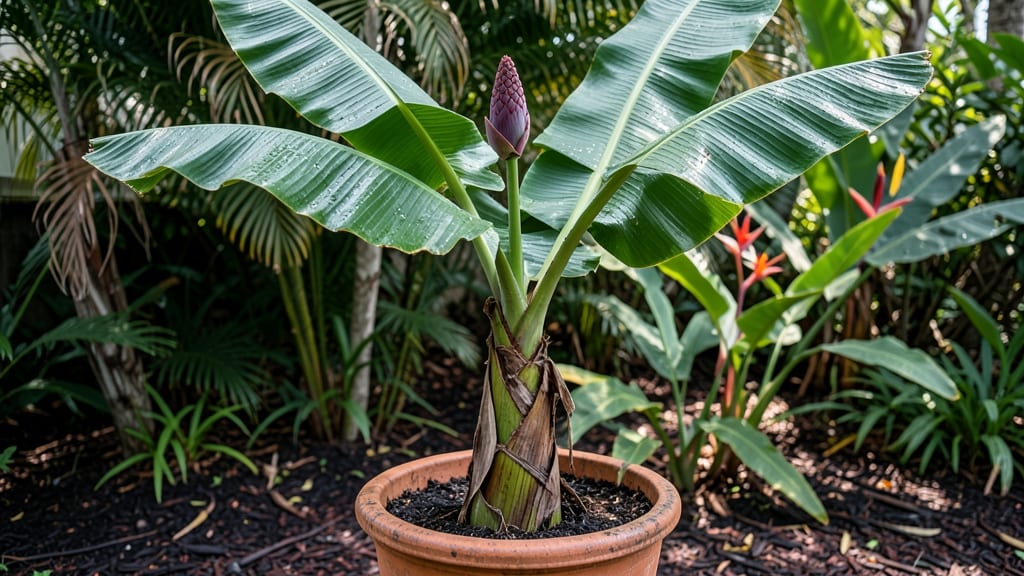
Wondering how tall a banana tree can grow? The answer can range from a 10-foot backyard shrub to a 30-foot tropical giant, depending on the variety and care you provide.
If you’ve ever dreamed of growing your own banana tree, you might be surprised to learn that some varieties tower over 30 feet—while others stay compact enough for a backyard.
Understanding the height differences between banana tree species is key to planning your garden space and choosing the right variety for your climate and needs.
In this guide, you’ll discover how quickly banana trees grow, which dwarf varieties stay under 12 feet, and how to maximize height in standard types. Whether you’re in USDA Zones 10-12 or growing in containers, we’ve got the details to help you pick the perfect size for your space.
From the first year’s 6-foot spurt to the mature heights of 20-30 feet, we’ll break down what to expect—and how to keep your banana tree thriving at any size.


Banana tree height by variety: from dwarf to giant species
Banana trees are famous for their dramatic height differences—some stay small enough for a patio, while others become towering giants in tropical landscapes. The variety you choose determines whether your banana tree will reach 30 feet or stay under 10 feet.
Understanding these differences helps you plan your garden layout and select the perfect type for your space and climate.
Most banana trees are herbaceous perennials, meaning they grow quickly but die back to the ground in frost. However, their pseudostems (the thick, false trunk) can reach impressive heights. Tropical varieties like Musa acuminata often grow the tallest, while cold-hardy hybrids stay shorter.
Let’s explore the height ranges of popular varieties to help you decide which fits your garden best.
| Variety | Mature Height | Climate Zone | Notes |
|---|---|---|---|
| Dwarf Cavendish | 8–12 ft | Tropical/Subtropical (Zones 10-12) | Best for containers; produces small, sweet bananas. |
| Red Dacca | 12–18 ft | Tropical (Zones 10-11) | Striking red bananas; needs warm winters. |
| Ice Cream Banana | 10–15 ft | Subtropical (Zones 9-11) | Sweet, creamy texture; cold-hardy to 25°F. |
| Blue Java | 18–25 ft | Tropical (Zones 10-12) | Large, blue-black bananas; needs space. |
| Musa velutina | 20–30 ft | Tropical (Zones 10-12) | Wild-type; grows extremely tall; not edible. |
| Lady Finger | 12–16 ft | Subtropical (Zones 9-11) | Small, finger-length bananas; great for small gardens. |
The Dwarf Cavendish is my top recommendation for small gardens or containers, reaching just 8–12 feet. This variety is perfect if you want bananas without sacrificing space.
On the other end of the spectrum, Musa velutina can grow to 30 feet, making it ideal for large tropical gardens or landscapes where height isn’t a concern.
If you live in cooler climates (Zones 6-8), varieties like Ice Cream Banana or Lady Finger are excellent choices. They tolerate brief cold snaps and still produce edible fruit.
For tropical regions, Blue Java or Red Dacca offer dramatic heights and unique flavors, but they require consistent warmth and humidity.
Growth habits also vary—some varieties like Dwarf Cavendish produce multiple bunches of fruit per year, while taller types may take 12–18 months to bear fruit. This means your harvest timing and fruit yield depend heavily on the variety you select.
For example, Lady Finger can fruit in as little as 9 months, while Blue Java may take closer to 18 months.
Another key factor is the pseudostem structure. Taller varieties develop thicker, more robust stems to support their height, while dwarf types have slender stems. This affects how you prune and support your tree—taller varieties may need staking to prevent toppling in windy conditions.
Even dwarf varieties benefit from light pruning to encourage bushier growth and more fruit production.
For urban gardeners or balcony growers, dwarf varieties are a game-changer. A 15-gallon container can comfortably house a Dwarf Cavendish, allowing you to enjoy bananas even in limited spaces.
Just ensure your pot has drainage holes and use a well-draining potting mix to prevent root rot—a common issue with banana trees in containers.
If you’re growing bananas for ornamental value, taller varieties like Musa velutina create stunning focal points in tropical gardens. Their large, arching leaves and dramatic height make them a landscape star.
However, if your goal is edible fruit, prioritize varieties like Ice Cream Banana or Lady Finger, which balance size and productivity.
Remember, even the tallest banana trees start small. A Dwarf
Factors that influence how tall a banana tree grows
Banana trees are fascinating plants because their height can vary dramatically—from 8-foot dwarf varieties to towering 30-foot giants.
The final height of your banana tree isn’t just about the variety you choose; it’s also heavily influenced by your local climate, soil conditions, and how you care for it.
If you’re planning your garden layout or container setup, understanding these factors will help you predict—and even control—how tall your banana tree will grow.
For example, a Dwarf Cavendish might stay under 12 feet in ideal conditions, but the same plant could struggle to reach half that height in a cooler climate with poor soil drainage.
Meanwhile, a Musa acuminata variety could shoot up to 25 feet in tropical conditions but may never fully mature in a container garden. Let’s break down the key factors that determine banana tree height so you can set realistic expectations for your growing space.
Climate & Temperature
Banana trees thrive in tropical climates (USDA Zones 10-12). In warmer zones, they grow faster and taller, reaching their full potential height. Cooler climates (Zones 6-9) stunt growth—expect 30-50% shorter trees unless you use containers for mobility.
Soil Quality & Drainage
Rich, well-draining soil with organic matter (like compost) promotes faster, healthier growth. Clay-heavy or waterlogged soil restricts root development, capping height at 50-70% of potential. Test your soil’s pH—bananas prefer 5.5-7.0—and amend with sand or perlite if drainage is poor.
Watering Practices
Banana trees need consistent moisture, but overwatering causes root rot and stunted growth. Deep watering 2-3 times per week (or daily in containers) encourages tall, sturdy stems. Drought stress slows growth—expect 10-20% height reduction in dry conditions.
Sunlight Exposure
Full sun (6+ hours daily) maximizes growth, but partial shade in hot climates (like Florida) can reduce height by 20-30%. Without enough light, banana trees grow leggy and weak, struggling to support their own weight.
Pruning & Maintenance
Regular pruning of dead leaves and removing suckers redirects energy to the main stem, encouraging taller, stronger growth. Over-pruning or neglecting maintenance can reduce height by 15-25%. In containers, root pruning every 2 years helps manage height.
If you’re aiming for a taller banana tree, focus on optimal soil, consistent watering, and full sun exposure. For shorter, manageable growth—like in containers—choose dwarf varieties and limit fertilizer to avoid excessive height.
With the right conditions, even a backyard banana tree can reach impressive heights while staying within your garden’s boundaries.
🌱