
Pruning
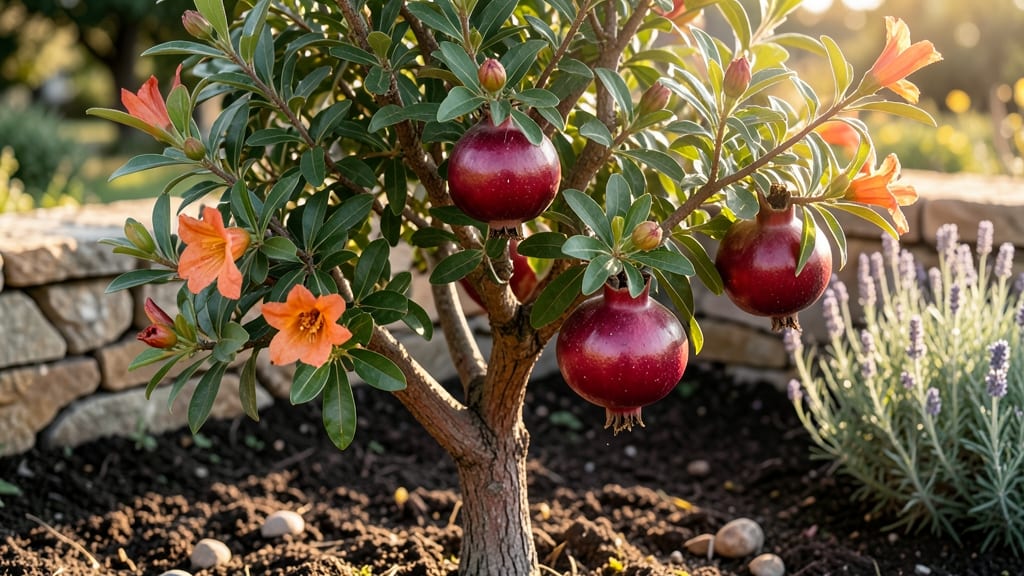
Pomegranate trees in North Carolina grow between 8 to 15 feet tall, with dwarf varieties like 'Wonderful' reaching under 10 feet and standard types such as 'Eversweet' potentially hitting 15 feet. The state's warm climate promotes vigorous growth, though chilling hour needs differ across cultivars.
North Carolina's USDA zones 7-8 create ideal conditions for these fruit trees, but winter chill hours—typically 300-500 hours below 45°F—determine whether a variety thrives or struggles. 🌱 Dwarf varieties are perfect for containers or small gardens, while standard types need more space.
The key difference? Dwarf trees focus energy on fruit production rather than vertical growth, making them more productive in limited spaces.
For best results, plant in well-draining soil with full sun exposure. Most NC-grown varieties produce fruit in 2-3 years, though some cold-hardy types like 'Crimson Jewel' handle the state's occasional freezes better than tropical varieties.
Regular pruning in late winter helps control height and shape while encouraging stronger fruit-bearing branches.
💡 In This Article
- North Carolina Climate Factors Affecting Pomegranate Tree Height
- Best Pomegranate Varieties for North Carolina Gardens
North Carolina climate factors affecting pomegranate tree height
North Carolina's climate creates a Goldilocks zone for pomegranate trees—warm enough to support vigorous growth but with enough winter chill to trigger flowering. The state's USDA zones 7-8 provide the perfect balance, where temperatures rarely drop below -10°F in most areas.
This mild winter climate allows varieties like 'Eversweet' to reach their full 12-15 foot potential, while still providing the 300-500 chill hours needed for proper dormancy and fruit set.
The key difference between NC's microclimates lies in elevation and proximity to the coast. Inland areas like Raleigh experience more pronounced winter chills, making them ideal for standard varieties that need 400+ chill hours.
Coastal regions near Wilmington, however, have milder winters with fewer chill hours—sometimes as low as 200-300 hours—which can stress varieties requiring higher chill requirements. This is why dwarf varieties like 'Wonderful' (with 250-350 chill hours) thrive along the coast while struggling in higher-elevation zones.
Heat tolerance plays an equally important role. Pomegranates prefer 75-95°F growing temperatures, and NC's summer heat provides ideal conditions. However, prolonged periods above 100°F can cause heat stress, particularly for newly planted trees. The solution?
Plant in areas with afternoon shade during peak summer months or use mulch to keep roots cool. This climate adaptation is why 'Granada Seedless'—which handles NC's heat well—often grows taller (12-15 feet) than varieties better suited for cooler climates.
Soil drainage becomes critical in NC's humid climate. The state's clay-heavy soils can become waterlogged during rainy seasons, which pomegranates despise. Amending with 20-30% compost improves drainage while maintaining moisture retention.
Proper drainage directly impacts tree height—well-drained soil allows roots to establish deeper, supporting taller growth in standard varieties while preventing dwarf types from becoming leggy due to stress.
One often-overlooked factor is humidity. NC's average 50-60% relative humidity can promote fungal diseases like powdery mildew, which weakens trees and stunts growth. Regular pruning to improve airflow and applying fungicide preventatives in spring can maintain optimal height potential.
The result? A healthy tree that allocates energy to vertical growth rather than fighting disease.
For container-grown dwarf varieties, NC's climate works in your favor. Pots can be moved to shaded areas during extreme heat or protected from winter winds, giving you precise control over growth conditions.
This flexibility is why 'Wonderful' pomegranates—typically 6-8 feet tall in containers—can still produce abundant fruit despite their compact size.