
Pruning
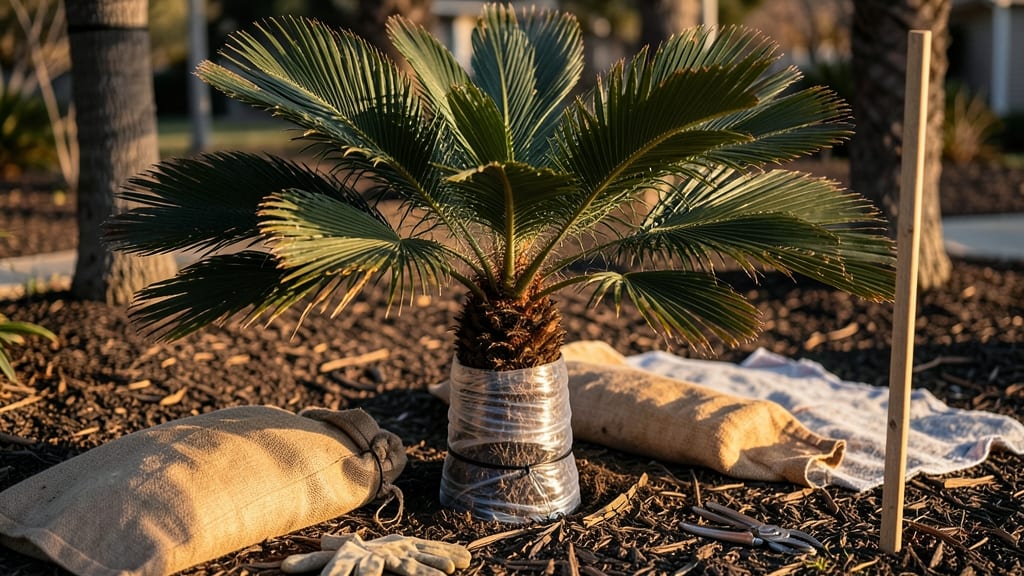
Your palm tree’s survival through winter starts with the right wrap. 🌿 I’ve seen frost turn lush fronds into brittle skeletons—until I learned these frost-proofing tricks that actually work. The key isn’t just covering the tree, but creating a microclimate that mimics its tropical roots.
You’ll need burlap or frost cloth (not plastic—it traps moisture), twine or zip ties, and a fan (yes, really) to keep air circulating. For larger palms, wrap the trunk first with insulating foam tubes before adding protective layers.
The goal is to shield the growing points while letting the tree breathe. By spring, you’ll see new fronds unfurling without damage, and the tree will bounce back stronger than ever.
The trickiest part is knowing when to remove the wrap—too soon, and you risk a late frost; too late, and you smother new growth. Timing depends on your zone, but early April is a safe bet for most of the South.
This method works for Mexican fan palms, Canary Island date palms, and even sensitive Sabal palms. The secret is patience—wrapping takes 30-60 minutes, but the payoff is a tree that greets summer unscathed.
📚 In This Guide
- What you need
- Instructions
- Tips and common mistakes
- Wrapping up and next steps
What you need
- ● Burlap or landscape fabric: 10–20 feet (depending on tree size), 4–6 feet wide. Opt for breathable fabric to allow airflow while blocking wind.
- ● Twine or zip ties: 10–15 pieces (3–4 inches long) to secure the wrap tightly without damaging the trunk.
- ○ Plastic tree wrap (optional but helpful): 1–2 rolls (1.5–3 inches wide) to protect the trunk from direct frost.
- ● Pruning shears or sharp knife: For trimming any dead or damaged fronds before wrapping.
- ● Gloves (heavy-duty): To protect your hands from sharp fronds and rough fabric.
- ○ Stakes or wooden dowels: 2–4 pieces (optional) to anchor the fabric if your tree is tall and windy.
- ● Insulating foam tubes: Slip over the trunk for added warmth in extreme cold zones (USDA 8 and below).
- ● Reflective bubble wrap: Wrap the trunk first for extra frost protection (remove in spring!).
- ● Waterproof sealant: A light coat on the trunk to prevent moisture buildup under the wrap.
- ● Spray bottle with water: Lightly mist the fabric to help it adhere better to the tree.
Step-by-Step guide to wrapping a palm tree for winter
Here's the foolproof method I use to keep my palms thriving through chilly months—no fancy tools required.
🪴 Step 1: Choose the Right Wrapping Materials
Start with burlap or frost cloth—these breathe while trapping heat. I avoid plastic because it traps too much moisture and can scorch leaves. For extra insulation, layer straw or mulch around the base. Measure your palm's height and width to cut materials precisely—nothing worse than flapping fabric in wind.
You'll also need twine or zip ties to secure everything. Skip wire or tight straps—they can damage tender trunks as temperatures drop. If your palm is young or small, a single layer will suffice. Mature palms with thick trunks may need two layers for full protection.
☀️ Step 2: Prepare the Palm for Wrapping
Trim any dead or brown fronds first—they'll trap cold air and encourage rot. I use clean, sharp shears to make clean cuts just above the frond's base. Water the palm 2-3 days before wrapping to ensure it's hydrated but not soggy. Overwatering now can lead to frozen roots.
Gently shake off excess dirt from the fronds—this prevents debris from getting trapped under the wrap. If your palm has a trunk with visible rings, wrap tightly around these natural indentations. For smooth trunks, leave a 1-inch gap at the base to allow airflow and prevent moisture buildup.
🌱 Step 3: Wrap the Trunk and Fronds
Start wrapping from the base and work upward, overlapping each layer by 2-3 inches to eliminate gaps. For fronds, fold them inward slightly before wrapping—this mimics their natural protection against wind. Secure the wrap with twine every 12-18 inches to prevent sagging.
Pay special attention to the crown, where new growth emerges. Cover it with an extra layer of frost cloth to shield it from freezing temperatures. If your palm has multiple trunks, wrap each individually. Leave the top 3-4 inches uncovered to allow some airflow and prevent overheating.
⏰ Step 4: Add Mulch and Final Touches
Spread 3-4 inches of mulch around the base, extending 12 inches outward from the trunk. Use straw or wood chips—they insulate roots while allowing moisture to escape. Avoid piling mulch against the trunk itself, as this can cause rot.
Check your work on a warm, sunny day before the first frost. Adjust any loose sections and ensure no gaps exist where cold air could seep in. For extra protection in Zone 8 or colder, add a clear plastic tunnel over the entire palm (remove during the day to prevent overheating).
✂️ Step 5: Monitor and Maintain Through Winter
Inspect your wrapped palm every 2 weeks during winter. Remove the wrap on mild days (above 40°F) to air it out and check for moisture buildup. If you see condensation inside the wrap, unroll it immediately to dry—excess moisture leads to fungal issues.
Watch for ice buildup on fronds—this can weigh them down. Gently tap off ice with a soft brush if needed. Once spring arrives (when nighttime temps stay above 50°F), remove the wrap gradually over 2-3 days to avoid shocking the palm. Unwrap during the day to let it acclimate to sunlight.
Tips & tricks for frost-proofing palm trees
Here's what nobody tells you about making your palm tree wrapping truly effective this winter.
Material Layering: When using burlap or frost cloth, layer two pieces for mature palms—especially those with thick trunks. The first layer traps heat, while the second adds an extra barrier against wind chill. For young palms, one layer is plenty, but always use the 2-3 inch overlap mentioned in Step 3 to eliminate cold air pockets. I learned this the hard way after seeing a split trunk from uneven protection.
Timing is Everything: The 2-3 days before wrapping watering in Step 2 isn't just about hydration—it's about giving the roots time to absorb moisture without freezing. Watering too close to wrapping can leave excess moisture trapped under the wrap, leading to rot. I always schedule this step on a warm afternoon when temperatures are above 50°F to ensure proper absorption.
Crown Protection: The crown is the most vulnerable part of your palm. Beyond the extra frost cloth layer, consider adding a small piece of burlap or even a plastic dome (like a mini greenhouse cover) over the crown area. This creates a microclimate that can raise temperatures by 5-10°F during cold snaps. Just make sure to remove it during warm days to prevent overheating.
Mulch Placement: When adding the 3-4 inches of mulch in Step 4, create a slight mound that slopes away from the trunk. This prevents water from pooling against the base during thaw cycles. I also recommend using pine straw over wood chips—it's lighter, allows better airflow, and won't compact as much over time. The key is keeping that 12-inch radius around the trunk while avoiding direct contact with the trunk itself.
Pro Tips for How Do You Wrap A Palm Tree For Winter
- Here's what nobody tells you about making your palm tree wrapping truly effective this winter.
- Material Layering: When using burlap or frost cloth, layer two pieces for mature palms—especially those with thick trunks.
- Timing is Everything: The 2-3 days before wrapping watering in Step 2 isn't just about hydration—it's about giving the roots time to absorb moisture without freezing.
Frequently asked questions
Got questions about winterizing your palm trees? You’re not alone! Here are some of the most common concerns—and straightforward answers—to help you keep your tropical beauty thriving through the cold months.
Do palm trees really need to be wrapped for winter?
Most palm trees are native to warm climates, so they’re not naturally frost-resistant. Wrapping protects young or tender species (like Canary Island or Mexican Fan palms) from cold damage, especially in zones 8–10. Mature, hardy palms (e.g., Windmill or Sabal) may survive without wrapping, but a cozy layer never hurts!
When is the best time to wrap a palm tree for winter?
Start wrapping before the first hard freeze (typically when temps drop below 25°F (-4°C)). In most regions, this means late fall—around October or November. Remove the wrap in early spring (March or April) once frost risk has passed to avoid trapping heat and encouraging pests.
What if I don’t have burlap or frost cloth? Are there alternatives?
No burlap? No problem! Use:
- Old blankets or sheets (secure tightly with twine or straps).
- Cardboard boxes (cut to fit, sealed with tape, and wrapped in plastic for moisture resistance).
- Straw or pine boughs (pile around the base for insulation).
- Reflective bubble wrap (wrap the trunk to trap heat during the day).
My palm leaves turned brown after wrapping—did I do it wrong?
Brown leaves usually mean over-wrapping (trapping too much moisture) or poor airflow. Check these fixes:
- Loosen the wrap slightly if it’s too tight.
- Ensure the trunk is not fully enclosed—leave gaps for airflow.
- Remove the wrap if frost damage is already visible (brown spots on older leaves are often harmless, but new growth needs protection).
Can I wrap a palm tree after it’s been frosted?
If your palm shows early frost damage (e.g., blackened fronds), wrapping won’t reverse it—but it can prevent further harm. Focus on:
- Pruning dead fronds after the last frost (sterilize tools to avoid disease).
- Adding mulch around the base to insulate roots.
- Monitoring for pests (stressed trees attract insects).
Wrapping up and next steps
Wrapping your palm tree for winter is a simple yet effective way to safeguard it from frost and cold winds—ensuring it stays lush and healthy for seasons to come. 🌿 With the right materials, timing, and technique, you’ll give your palm the best chance to thrive even when temperatures drop. Now that you’re armed with these frost-proofing tricks, it’s time to roll up your sleeves and give your palm the winter care it deserves!
Ready to take action? Start by inspecting your palm tree today and gather your supplies—then follow the steps to wrap it like a pro. Your palm will thank you come spring!