
Trees
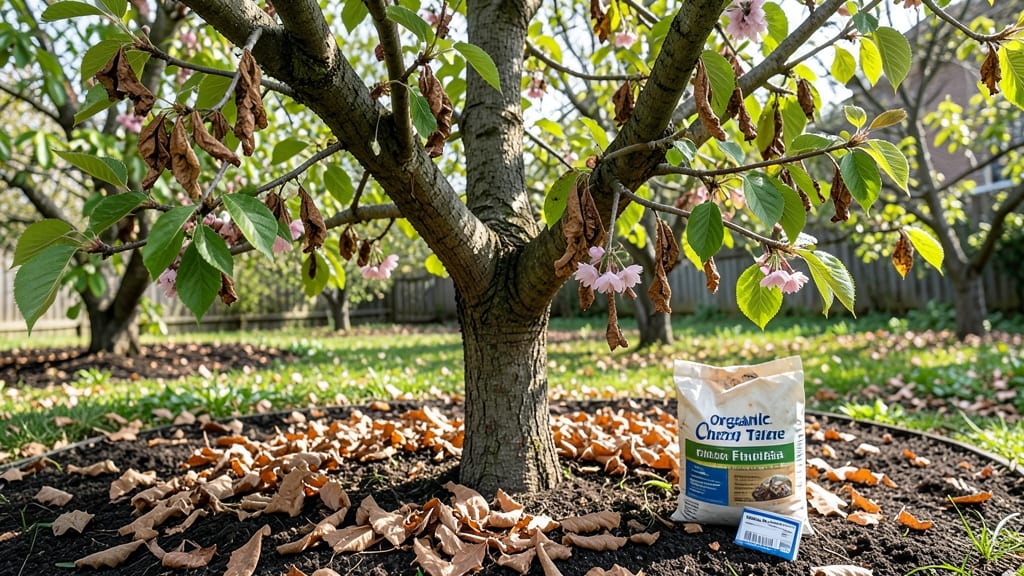
Brown leaves on your cherry tree mean it’s fighting something—disease, pests, or stress—and the good news is you can turn things around. 🌿 I’ve nursed back more than a few cherry trees from crispy brown edges to lush green canopies, and the first step is figuring out what’s causing the problem before it spreads.
Start by inspecting the leaves up close: are the brown spots fuzzy (fungus), sticky (aphids), or just dry and crunchy (drought)? Check the bark for cracks or oozing sap, and dig a finger into the soil—if it’s bone-dry or soggy, that’s your culprit.
Once you know the issue, you can prune the worst branches, apply the right treatment, and adjust your care routine. With the right approach, your tree will bounce back faster than you think.
Within weeks, you’ll see fresh green leaves pushing out, and by next season, your cherry tree could be healthier than ever—producing those sweet, juicy fruits you planted it for. The key is acting fast and staying consistent.
Whether it’s trimming dead branches, treating fungal spots, or adjusting watering, small changes make a big difference over time.
Understanding Leaf Discoloration Causes
If your once-lush cherry tree is now adorned with brown leaves, don’t panic—this is often a sign of stress rather than a death sentence. The good news? Most causes are reversible with the right care.
Below, we break down the most common reasons why cherry tree leaves turn brown, from environmental factors to pest invasions, so you can diagnose the issue and take action.
Cherry trees are sensitive to sudden temperature changes, whether it’s scorching heat or a late-season frost. When leaves are exposed to intense heat or cold snaps, they can develop brown edges or patches as a protective response.
- Heat Stress: Temperatures above 90°F (32°C) can cause leaf scorch, where leaf edges crisp and turn brown. This is especially common in dwarf cherry trees or those planted in full sun without adequate hydration.
- Frost Damage: Late spring frosts or early fall freezes can shock the tree, leading to brown, mushy, or blackened leaves. Young, tender leaves are most vulnerable.
- Cold Wind Burn: Harsh winds combined with cold temperatures can dry out leaves, causing them to brown and curl.
Actionable Fix:
- ✅ Water deeply during heatwaves (1–2 inches per week) to help roots absorb moisture and cool the tree.
- ✅ Use mulch (2–4 inches) around the base to insulate roots and retain moisture.
- ✅ Protect young trees with frost cloth during unexpected cold snaps, especially in USDA Zones 5–7.
- ✅ Avoid pruning in late summer or early fall, as new growth is more susceptible to frost damage.
Water stress—whether from drought or overwatering—is a leading cause of brown cherry tree leaves. These trees prefer consistent moisture but hate soggy roots, which can lead to fungal issues.
| Symptom | Cause | Solution |
|---|---|---|
| Brown, crispy edges | Underwatering (drought stress) | Water slowly and deeply 2–3 times per week in dry spells. Use a soaker hose to avoid runoff. |
| Yellowing between veins, brown spots | Overwatering (root rot) | Let soil dry slightly between waterings. Improve drainage with organic compost or sand. |
| Wilting + brown leaves | Poor drainage (compacted soil) | Aerate soil with a garden fork and mix in perlite or gravel. |
Pro Tip: 🌡️ Stick your finger 2 inches into the soil—if it’s dry, water; if it’s damp, wait. Cherry trees in containers dry out faster!
Fungi thrive in humid, wet conditions, and cherry trees are prone to several diseases that cause brown leaves, spots, or leaf drop. Common culprits include:
- Leaf Spot Diseases (e.g., Cercospora, Alternaria): Brown or black spots with yellow halos, often appearing in wet springs.
- Powdery Mildew: White, powdery patches that turn brown and crispy, common in shady or crowded areas.
- Anthracnose: Dark, sunken spots that cause premature leaf drop, especially in cool, wet weather.
- Root Rot (Phytophthora): Brown, mushy leaves paired with stunted growth due to waterlogged roots.
How to Identify: Check the underside of leaves for fungal growth or collect a sample in a plastic bag for a local extension office to diagnose.
Actionable Fix:
- ✅ Prune infected leaves (sterilize tools with rubbing alcohol) and dispose of them in the trash not the compost.
- ✅ Apply copper fungicide or neem oil as a preventative spray in early spring.
- ✅ Improve air circulation by thinning dense branches and avoiding overhead watering.
- ✅ For root rot, reduce watering and amend soil with compost to improve drainage.
Pests like spider mites, aphids, and borers suck sap from leaves, causing them to yellow, brown, or drop prematurely. Look for:
- Tiny webs (spider mites)
- Sticky residue (honeydew) (aphids, scale)
- Holes or sawdust-like frass (borers, beetles)
- Curling or distorted leaves (leafhoppers, caterpillars)
Common Culprits & Fixes:
Pest
Damage Signs
Solution
Spider Mites
Fine webbing, brown stippling
Spray with water to dislodge, then use neem oil or insecticidal soap.
Aphids
Sticky leaves, curled new growth
Blast off with water or apply horticultural oil.
Borers
D-shaped exit holes, sawdust at base
Inject beneficial nematodes or use systemic insecticide.
Prevention Tip: 🌿 Encourage beneficial insects like ladybugs and lacewings by planting dill, marigolds, or yarrow nearby.
Brown cherry tree leaves can signal a lack of essential nutrients, particularly in poor or depleted soil. Here’s what to watch for:
Nutrient Deficiency
Revive Your Tree’s Health NowBrown leaves on your cherry tree don’t have to mean the end of its beauty—with the right approach, you can nurse it back to life. Below are targeted solutions for the most common causes of browning leaves, along with preventive tips to keep your tree thriving. Let’s get your cherry tree looking lush again! Problem: Overwatering or underwatering can cause leaves to turn brown and crispy. How to Fix It: 🔥 Check the soil moisture – Stick your finger 2-3 inches deep into the soil. If it’s dry, water deeply until moisture reaches 6-12 inches down. If soggy, hold off on watering and improve drainage. 🍳 Adjust your watering routine – Cherry trees prefer deep, infrequent watering (about 1-2 inches per week, depending on climate). Water in the early morning to reduce evaporation and fungal risks. 👨🍳 Improve soil drainage – If your tree is in heavy clay soil, amend it with compost or organic matter to help water drain better. Consider mulching (2-3 inches of wood chips) to retain moisture without suffocating roots. ⏰ Avoid midday watering – Watering at peak sun hours can scorch leaves. Stick to morning or late afternoon for best results. Problem: Fungal infections (like powdery mildew or leaf spot) or pests (such as spider mites or borers) can cause browning. How to Fix It: 🔥 Identify the issue – Look for white powder (mildew), black spots (fungal leaf spot), or tiny webs (spider mites). If in doubt, snap a photo and consult a local extension service. 🍳 Prune infected branches – Use sterilized pruners to remove brown, dead, or heavily spotted leaves. Dispose of them in the trash (not compost). 👨🍳 Apply fungicide or insecticide – For fungal issues, use a copper-based fungicide or neem oil spray. For pests, try insecticidal soap or horticultural oil. Follow label instructions carefully! ✨ Boost tree resilience – Strengthen your tree with a balanced fertilizer (like 10-10-10) in early spring to support recovery. Problem: Extreme heat, cold, or wind can shock cherry trees into dropping brown leaves. How to Fix It: 🔥 Protect from harsh conditions – If your tree is young or newly planted, shade it from intense afternoon sun with a lightweight cloth during heatwaves. In winter, mulch heavily (4-6 inches) to insulate roots. 🍳 Windbreak solutions – If your tree is in a windy area, plant a hedge or fence on the windward side to reduce stress. 👨🍳 Water deeply during droughts – If leaves are wilting and brown, give the tree a slow, deep soak to revive it. ⏰ Monitor for sunburn – Young leaves can get scorched in sudden heat. If this happens, prune to improve airflow and avoid fertilizing until the tree recovers. Want to keep your cherry tree’s leaves green and vibrant? Follow these pro tips: 💡 Prune at the right time – Late winter or early spring (before new growth) is best. Remove dead, crossing, or weak branches to improve airflow. 🔥 Fertilize wisely – Use a slow-release, balanced fertilizer in early spring and fall. Avoid over-fertilizing, which can burn roots. 🌡️ Watch for nutrient deficiencies – Yellowing between veins? It might be iron deficiency. Apply chelated iron or Epsom salt (magnesium sulfate) if needed. 🎯 Inspect regularly – Monthly checks help catch pests or diseases early before they spread. If your cherry tree’s leaves are severely brown, crunchy, or falling off in large quantities, it may need professional diagnosis. A certified arborist can assess root rot, borer infestations, or other deep-seated issues that require expert treatment. With these step-by-step fixes, your cherry tree should bounce back—stronger and greener than ever! 🌿🍒 Frequently asked questions
1
Why are my cherry tree leaves turning brown only at the edges?This is most likely heat stress or underwatering. When cherry trees don't get enough water during hot weather, the leaf edges dry out and turn brown while the center stays green. Check soil moisture by sticking your finger 2 inches deep—if dry, water deeply until moisture reaches 6-12 inches down. Mulching with 2-3 inches of wood chips helps retain moisture.
2
Can I save my cherry tree if half the leaves are already brown?Yes! Start by pruning all dead or heavily browned branches (use sterilized tools) and focus on fixing the root cause—whether it's water issues, pests, or disease. For fungal problems, apply copper fungicide or neem oil. With proper care, new growth should emerge within 4-6 weeks, and your tree can fully recover by next season.
3
How do I tell if my cherry tree has a fungal infection vs. pest damage?Fungal infections like powdery mildew or leaf spot show up as white powdery patches or dark spots with yellow halos. Check the underside of leaves for fuzzy growth. Pest damage (like spider mites or aphids) often includes tiny webs, sticky residue, or holes in leaves. If unsure, snap a photo and compare with online guides or contact your local extension office.
4
Is it safe to prune brown leaves from my cherry tree?Pruning removes dead leaves that can't photosynthesize, helping the tree focus energy on healthy growth. Use clean, sharp pruners and cut just above a leaf node. For fungal diseases, sterilize tools with rubbing alcohol between cuts and dispose of infected leaves in the trash (not compost). Prune in late winter or early spring for best results.
5
Will my cherry tree produce fruit next year if the leaves are brown now?It depends on the cause! If the browning is due to temporary stress (like drought or heat), your tree should recover and produce fruit next year. However, if the issue is severe disease, pests, or root damage, fruiting may be reduced. Focus on reviving the tree first—healthy leaves mean better fruit production. Young trees (3-5 years old) may take longer to recover. |
|---|