
How To
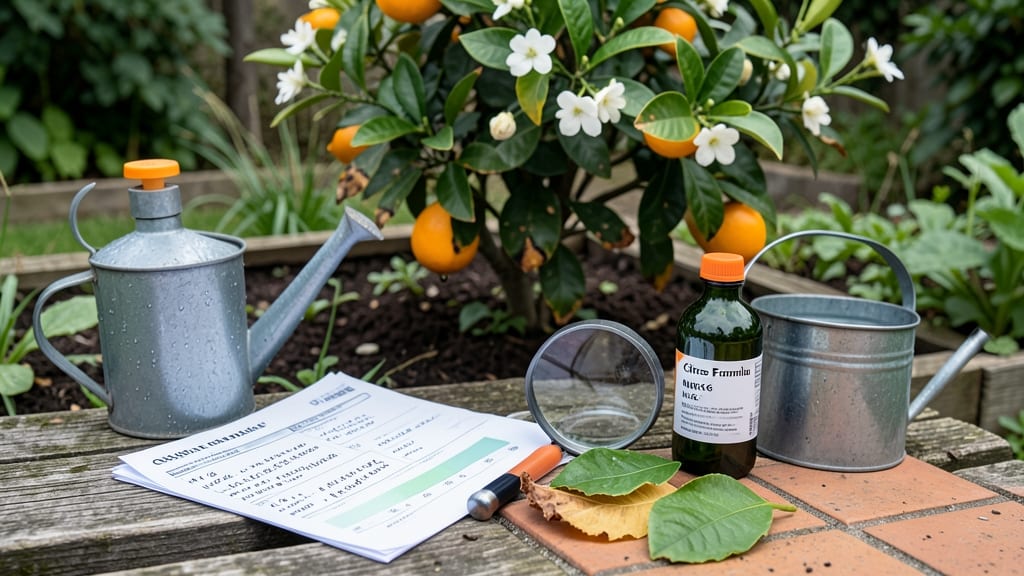
Brown tips on mandarin tree leaves are your tree’s way of screaming for help—usually from too much water, not enough nutrients, or dry air. 🌿 I’ve nursed back more than a few trees with crispy edges, and the fixes are simpler than you’d think.
Most people overwater, but the real culprit is often something you can’t see: salt buildup, pests, or even winter winds. The good news is that mandarins are tough once you address the core issue. Start by checking the soil—it should feel like a damp sponge, not a soggy rag.
If the tips are dry and brittle, it’s likely underwatering or low humidity. But if they’re yellowing or mushy, you’ve got overwatering or root rot to tackle. A quick soil test or just sticking your finger in will tell you everything you need to know.
Within 2-4 weeks of adjusting care, you’ll see fresh green growth pushing out from the center of the leaves. The key is consistency: water deeply but less often, use a well-draining mix, and mist the leaves on hot days. I’ve revived trees with just these tweaks—no fancy treatments needed.
This works for both potted and in-ground mandarins, and the same principles apply to other citrus trees like lemons or limes. Let’s get those leaves lush again!
Root Causes Of Leaf Damage
Understanding why your mandarin tree’s leaves develop brown tips is the first step to restoring its health. These issues often stem from environmental stress, improper care, or hidden pests. Let’s break down the most common culprits with clear, science-backed explanations—and actionable fixes.
---
Mandarin trees (Citrus reticulata) are drought-tolerant but hate soggy roots.
When soil stays too wet, oxygen can’t reach the roots, leading to: - Root rot (fungal or bacterial infections like Phytophthora). - Nutrient uptake failure, causing marginal browning as leaves struggle to absorb water. - Salt buildup in the soil, which burns leaf edges (common in potted trees with poor drainage).
How to spot it: Look for yellowing between leaf veins, mushy roots, or waterlogged soil that smells sour. If the pot feels heavy with water or drains slowly, drainage is likely the issue.
Quick fix: ✅ Repot in well-draining soil (mix 60% cactus/sand, 30% peat, 10% perlite). ✅ Ensure pots have drainage holes—no exceptions! ✅ Water only when the top 1–2 inches of soil are dry (stick your finger in to test). ✅ Avoid saucers under pots unless emptied daily to prevent root suffocation.
---
Mandarin trees thrive in moderate humidity (40–60%), but dry air or infrequent watering causes: - Plasma membrane damage in leaf cells, leading to crispy, brown edges. - Transpiration stress, where leaves lose more water than they absorb, causing desiccation. - Salt crystallization on leaf surfaces (white residue), which exacerbates browning.
How to spot it: Leaves feel dry or papery to the touch, and soil pulls away from the pot edges. Brown tips may curl or fall off easily.
Quick fix: ✅ Mist leaves 2–3 times weekly (use room-temperature water). ✅ Group plants together to increase humidity naturally. ✅ Use a humidity tray: Fill a shallow tray with pebbles and water, then place the pot on top (keep leaves from touching water). ✅ Water deeply but less often—aim for 1–1.5 gallons per week for mature trees (adjust for pot size).
---
Mandarin trees are light feeders—too much fertilizer (especially synthetic nitrogen or phosphorus) causes: - Salt toxicity, where excess minerals accumulate in the soil and "burn" leaf edges. - pH imbalances (ideal range: 6.0–7.0).
High alkalinity (pH >7.5) locks out micronutrients like iron and manganese, leading to brown, brittle tips.
How to spot it: Brown tips appear suddenly after fertilizing, often paired with yellowing between veins. Soil may look crusty or white (salt buildup).
Quick fix: ✅ Flush the soil with 2–3 gallons of water to leach excess salts. ✅ Switch to organic fertilizer (fish emulsion or citrus-specific blends) and half the recommended dose. ✅ Test soil pH with a kit—amend with sulfur (for high pH) or lime (for acidic soil) as needed. ✅ Use filtered or rainwater if your tap water is hard (high in calcium/magnesium).
---
While less common than environmental factors, pests and pathogens can also cause brown tips: - Spider mites (tiny webs on undersides of leaves) suck sap, causing stippled browning. - Scale insects (brown bumps on stems/leaves) excrete honeydew, leading to sooty mold (black fungus) that weakens leaves. - Citrus greening (HLB) or anthracnose fungus cause yellowing + brown, crinkled edges (often paired with leaf drop).
How to spot it: Check for: - Sticky residue (honeydew) on leaves. - Visible bugs (use a magnifying glass). - Black sooty mold or yellowing between veins (HLB symptom).
Quick fix: ✅ Spray with neem oil (1 tsp per quart of water, reapply weekly). ✅ Wipe leaves with soapy water (1 tsp mild dish soap per gallon). ✅ Prune infected branches and dispose of them in sealed bags. ✅ Apply copper fungicide (for anthracnose) or systemic insecticide (for HLB, if confirmed by a specialist).
--- Pro Tip: 🌡️ Monitor your tree’s environment—brown tips often signal a combination of issues (e.g., underwatering + salt buildup). Start with one fix at a time (e.g., adjust watering first) to isolate the problem.
Fixing Brown Leaf Tips Fast
Now that you know the likely causes behind those pesky brown tips on your mandarin tree leaves, it’s time to take action! 🌿💡 Whether it’s thirst, salt buildup, or pests wreaking havoc, these step-by-step solutions will help you nurse your tree back to health—without stressing over complicated gardening jargon.
---
If your mandarin tree’s brown tips are due to inconsistent watering, the first step is to adjust your routine and improve drainage.
#### 🔥 Correct Watering Habits - Check soil moisture before watering: Stick your finger 1-2 inches into the soil. If it’s dry, water deeply until it drains from the bottom of the pot.
If it’s soggy, hold off and let it dry out slightly. - Water at the base, not the leaves, to prevent fungal diseases and salt buildup from tap water. - Use room-temperature water—cold water can shock the roots.
#### 🌡️ Improve Drainage for Potted Trees - If your tree is in a pot, ensure it has drainage holes at the bottom.
If not, repot it ASAP. - Add a layer of pebbles or perlite at the bottom of the pot to prevent root rot. - Use well-draining soil: A mix of cactus/succulent soil (50%) + potting mix (50%) works well for mandarin trees.
#### 💡 Pro Tip: If you’re unsure whether your tree is overwatered or underwatered, lift the pot—a soggy pot means you’re overdoing it!
---
If tap water or fertilizers are causing salt damage, flush the soil to remove excess minerals.
#### 🍳 Step-by-Step Flushing 1. Move the tree to a sink, bathtub, or outdoor area where water can drain freely. 2. Water the soil thoroughly until water runs out of the drainage holes (about 10-15 minutes).
3. Repeat 2-3 times over a week to gradually wash away salts. 4. Use filtered or rainwater for future watering to prevent recurrence.
#### 🔥 Prevent Salt Buildup Long-Term - Let the top inch of soil dry between waterings to avoid salt accumulation. - Flush the pot monthly with plain water if you’re using tap water. - Use organic fertilizers (like fish emulsion or compost tea) instead of synthetic ones, which can be saltier.
---
If spider mites, aphids, or scale insects are to blame, act fast before they spread.
#### 👨🍳 Manual Removal (Early Stages) - Wipe leaves with a damp cloth dipped in soapy water (1 tsp mild dish soap per gallon of water). - Spray affected areas with neem oil solution (1 tbsp neem oil + 1 tsp mild soap per quart of water).
Test on a small leaf first! - Prune heavily infested branches and dispose of them in a sealed bag.
#### 🔪 Chemical-Free Pest Control - Introduce beneficial insects: Ladybugs and lacewings eat aphids naturally. - Use insecticidal soap (follow label instructions) for stubborn pests. - Spray water on leaves daily to deter mites (they hate humidity!).
#### ⏰ Prevention Tips - Inspect new plants before bringing them home. - Keep your tree healthy—stressed trees attract pests! - Avoid over-fertilizing, which weakens the tree’s defenses.
---
If low humidity, wind, or temperature swings are the culprits, create a more stable microclimate for your mandarin tree.
#### 🌡️ Adjust Humidity Levels - Mist leaves lightly 2-3 times a week (early morning is best). - Place a humidity tray (pebbles + water) near the pot. - Group plants together to create a naturally humid environment.
#### 💨 Protect from Wind & Cold Drafts - Move potted trees away from AC vents, drafty windows, or strong outdoor winds. - Use a sheer curtain to shield from harsh afternoon sun or cold drafts. - Avoid sudden temperature changes—mandarin trees thrive in 60-85°F (15-29°C).
#### 🎯 Long-Term Care - Repot every 2-3 years to refresh the soil and roots. - Prune dead or brown leaves to encourage new growth. - Monitor leaf color regularly—early action prevents permanent damage!
---
If brown tips persist after 4-6 weeks of consistent care, your mandarin tree might have: - Root rot (smelly, mushy roots) - Nutrient deficiencies (yellowing between veins) - Fungal/bacterial infections (black spots, oozing sap)
In these cases, consult a local arborist or extension service for a soil test or targeted treatment.
--- Your mandarin tree can bounce back—just give it the right care! 🌱💚 With these fixes, you’ll see healthier leaves (and maybe even more fruit) in no time.
Frequently asked questions
Why do the brown tips only appear on older leaves first?
Mandarin trees prioritize new growth, so brown tips show up first on older leaves when nutrients or water are limited. This is your tree’s way of protecting its developing leaves. Think of it like a human body—your organs keep functioning even when your skin gets dry first.
Can I trim off the brown tips to help my tree recover?
Yes, but do it carefully! Use clean, sharp pruning shears to cut just above the healthy green tissue. Never remove more than 1/3 of the leaf at once, or you’ll stress the tree. This encourages new growth while reducing the plant’s energy drain from damaged areas.
How often should I fertilize a mandarin tree with brown tips?
If you suspect over-fertilization, stop immediately and flush the soil. For recovery, use a balanced citrus fertilizer (6-6-6 or 8-8-8) at half strength every 8-12 weeks during growing season (spring-fall). Organic options like compost tea work better than synthetic salts for damaged trees.
Will brown tips affect my mandarin tree’s fruit production?
Mild cases won’t stop fruiting, but severe damage can reduce yield. The tree focuses energy on recovery first. If brown tips persist, prioritize fixing the root cause—healthy leaves mean better photosynthesis, which directly supports fruit development. Young trees are more vulnerable than mature ones.
Can indoor air conditioning cause brown tips on my potted mandarin?
AC creates dry air (often 20% humidity or lower), which stresses citrus leaves. Move your tree away from vents and use a humidifier nearby. Grouping plants together or placing the pot on a pebble tray with water can add 10-15% humidity instantly.