
Pruning
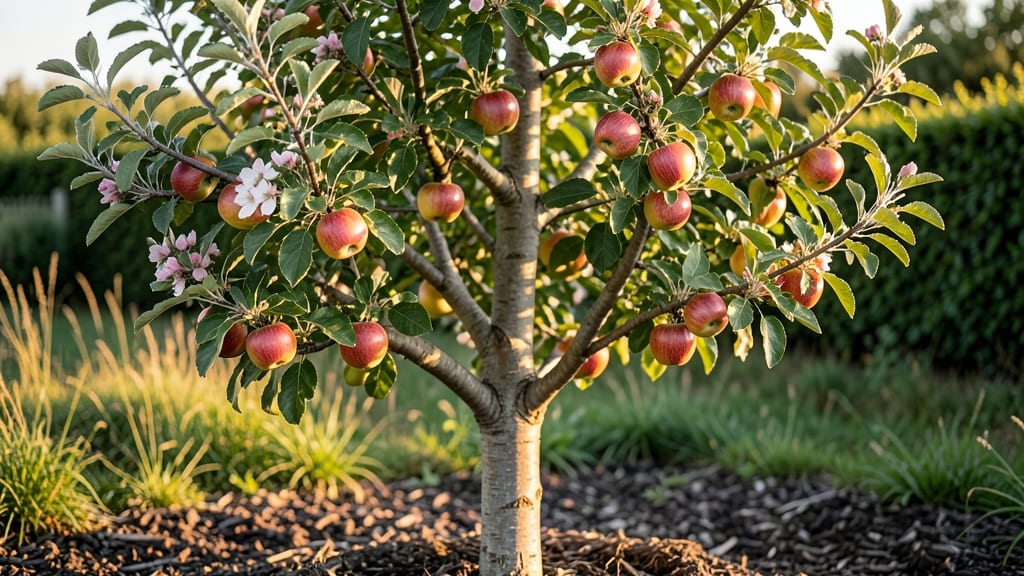
Honeycrisp apple trees grow best in USDA hardiness zones 3 through 8, where cooler temperatures and sufficient winter chill hours (at least 400 annually) ensure strong fruit production and winter hardiness. Always check your local zone before planting to avoid stressing the tree.
Honeycrisp apples need those 400 chill hours to trigger proper flowering and fruit set, which is why zones 3-8 work so well—they provide just the right balance of cold winters and warm summers. 🌳 In warmer zones (like 9 or 10), the trees may produce smaller yields or even fail to fruit altogether, while colder zones (below 3) risk winter dieback.
I always recommend planting in full sun with well-draining soil to give the tree its best shot at thriving.
If you're in a borderline zone, consider microclimate factors like proximity to water bodies or south-facing slopes, which can create slightly warmer microenvironments. For example, a zone 4 garden might still work if your yard benefits from extra warmth during the growing season.
Just be prepared to provide winter protection like burlap wraps if needed.
💡 In This Article
- Understanding Honeycrisp Apple Tree Hardiness Zones
- Choosing the Best Location for Honeycrisp Apple Trees
Understanding Honeycrisp apple tree hardiness zones
The Honeycrisp variety is a modern apple cultivar developed to thrive in cooler climates where winter chill hours are abundant. These trees require at least 400 chill hours—periods where temperatures stay between 32-45°F—to properly transition from dormancy to flowering.
This explains why zones 3 through 8 are ideal: they provide consistent winter cold while avoiding extreme frost that can damage buds and blossoms. 🌡️
In zones 3-5, Honeycrisp trees experience 500-1,000 chill hours, which triggers robust flowering and fruit set. The colder winters actually benefit the tree by preventing fungal diseases that thrive in warm, wet conditions.
Meanwhile, zones 6-8 offer milder winters with 400-700 chill hours, striking a balance between sufficient dormancy and summer heat tolerance. The tree's skin stays crisp and vibrant in these zones, while fruit size and sweetness peak when grown in zone 5-6 conditions.
Extreme heat in zones 9-10 becomes problematic because temperatures above 90°F for extended periods can stress the tree, leading to smaller fruit or even blossom drop. The tree's natural defenses against pests weaken in warmer climates, requiring more frequent monitoring.
Conversely, zones below 3 risk winter dieback when temperatures drop below -25°F, as the tree's bark and cambium layer become vulnerable to frost cracks. 🍎
What most gardeners don't realize is how microclimates within a zone can affect success. A south-facing slope in zone 4 might receive enough warmth to support Honeycrisp growth, while a low-lying area in zone 6 could experience late spring frosts that damage blossoms.
This is why I always recommend testing your specific location's chill hours using a chill hour calculator before planting—even if you're within the general zone range.
Another critical factor is spring frost timing. Honeycrisp trees bloom relatively early in spring, making them sensitive to late frosts that can destroy blossoms before fruit sets.
In zones 7-8, this is a common issue, which is why many growers in these areas plant late-blooming varieties as companions or use frost cloths during critical bloom periods. The tree's genetic makeup also makes it more frost-sensitive than older apple varieties like Granny Smith.
For those in borderline zones, strategic planting can make a difference. Positioning the tree near a south-facing wall or water feature can add 2-5°F of warmth during winter, extending its hardiness range.
Mulching with 4-6 inches of organic matter also helps insulate roots from extreme cold. These small adjustments can mean the difference between a thriving tree and one that struggles to produce fruit. 🌿