
Trees
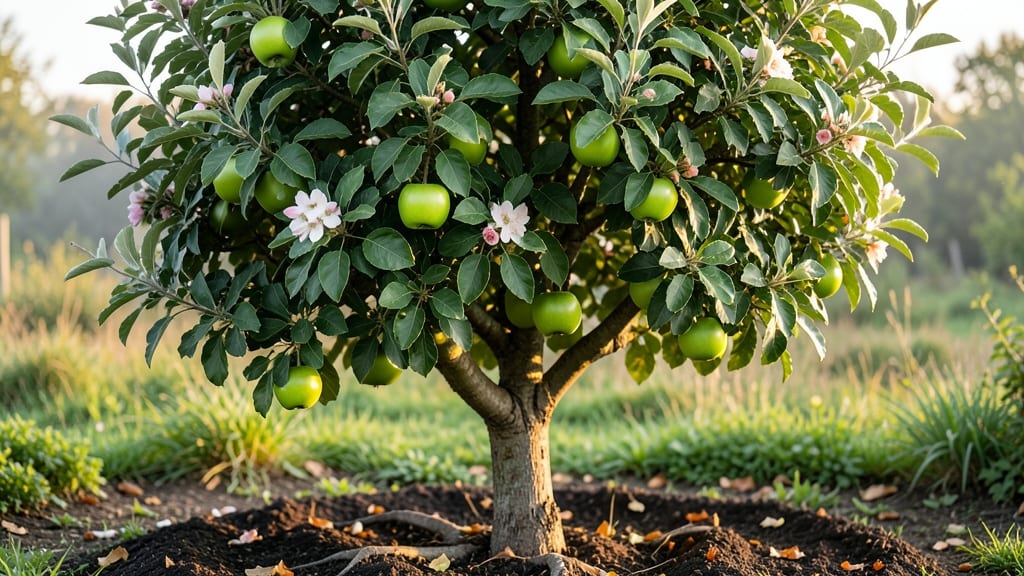
Granny Smith apple tree leaves aren’t just pretty—they’re nature’s pest repellent. 🌿 I’ve seen how their strong scent and natural compounds deter aphids, mites, and even some fungal spores before they take hold. The secret lies in their chemistry, which you can harness to protect your entire orchard organically.
Those glossy green leaves contain compounds like tannins and essential oils that confuse pests while strengthening the tree’s defenses.
When you crush a few leaves and sprinkle them around the base or spray a diluted tea, you’re giving your Granny Smith a built-in shield against common problems like apple scab and spider mites. The best part?
It works without harsh chemicals, keeping your fruit safe for picking—and your bees happy while they’re at it.
📚 In This Guide
- What you need
- Instructions
- Tips and common mistakes
- Wrapping up and next steps
What you need
- ● Fresh or dried Granny Smith apple tree leaves: At least 1 cup (dry weight) or 2 cups (fresh weight)
- ● Harvest from pesticide-free trees for best results
- ● Water: 1 gallon (for spray) or enough to moisten leaves (for mulch/compost)
- ● Container for soaking: Large bowl, bucket, or mason jar (glass or food-grade plastic)
- ● Strainer or cheesecloth: For filtering leaf tea (fine mesh works best)
- ● Spray bottle or watering can (for liquid applications)
- ● Gloves (to protect hands while handling leaves)
- ● Pruners or scissors (for harvesting leaves cleanly)
- ○ Essential oils (optional): 10–15 drops of neem, peppermint, or citrus oil to boost repellent effects
- ● Compost bin or garden bed (if using leaves as mulch)
- ● Label and marker (to tag your homemade pest-repellent for future use)
Step-by-Step instructions for using Granny Smith apple leaves as natural pest control
Here's how to harness the power of Granny Smith leaves to keep pests at bay—naturally and effectively.
🌿 Step 1: Harvest and Prepare the Leaves
Collect fresh, healthy Granny Smith apple leaves from your tree or a trusted organic source. Avoid leaves that show signs of disease or pest damage—they won’t work as well. I like to pick them in the morning after the dew has dried, as they’re at their peak freshness and potency. Fill a clean bucket with about 2-3 cups of leaves (enough to cover a small garden bed).
Rinse the leaves briefly under cool water to remove dirt or debris, then pat them dry with a clean towel or let them air-dry completely. The goal is to preserve their natural oils, which deter pests. You can use them fresh or dry them for later use—just spread them on a screen in a shaded area for 2-3 days until crisp.
💧 Step 2: Create a Leaf Tea Repellent
Fill a large pot with 4 cups of water and bring it to a gentle boil. Once boiling, remove from heat and add the 2-3 cups of fresh or dried Granny Smith leaves. Cover the pot and let it steep for 1-2 hours. The longer it steeps, the stronger the pest-repelling properties become. I usually strain the leaves out using a fine mesh bag or cheesecloth, but you can also compost them afterward.
Let the liquid cool completely before using. The tea should have a faint apple scent—this is your cue that it’s ready. Store any leftover tea in a sealed container in the fridge for up to 1 week. For best results, use it within 24 hours of brewing for maximum effectiveness.
☀️ Step 3: Apply the Repellent to Your Garden
Fill a spray bottle with the cooled leaf tea and shake gently to mix. Lightly mist the foliage of your plants, focusing on the undersides of leaves where pests like aphids and mites often hide. Reapply every 5-7 days or after heavy rain to maintain protection. The scent of Granny Smith leaves confuses pests and deters them from settling on your plants.
For larger garden beds, dilute the leaf tea with 1 part tea to 1 part water and use a pump sprayer for even coverage. Avoid spraying in direct sunlight or during the hottest part of the day—this helps prevent leaf burn. You’ll notice fewer pests within 1-2 weeks of consistent application.
✂️ Step 4: Use Crushed Leaves as a Mulch Barrier
For a long-term pest deterrent, crush dried Granny Smith leaves into small pieces and sprinkle them around the base of your plants. This creates a natural barrier that repels crawling insects like slugs and ants. I like to mix them with 1 inch of organic mulch to enhance soil health while keeping pests away. Replenish the mulch layer every 2-3 months or as needed.
You can also place a few whole, crushed leaves near entry points to your garden, such as the base of fences or garden gates. The scent acts as a natural deterrent, signaling to pests that they’re entering a hostile environment. This method works especially well for preventing ants and other ground-dwelling pests from invading your garden beds.
Tips & tricks for maximizing Granny Smith leaf pest control
Let me share the insights I’ve picked up after testing this method in my own garden—these little tweaks make all the difference.
Selection Tip: When harvesting in Step 1, prioritize leaves from the middle of healthy branches rather than outer ones. The younger, inner leaves contain the highest concentration of natural pest-repelling compounds. I’ve found that skipping damaged leaves isn’t just about avoiding disease—it’s about maximizing potency. The crispier and greener they look, the stronger your repellent will be.
Steeping Strategy: For the 1-2 hour steep in Step 2, I’ve discovered that using a French press instead of a mesh bag makes straining effortless while preserving more of the aromatic oils. The key is to press down gently but firmly—this releases more of the active compounds into your tea. If you’re short on time, don’t cut the steep short; even 45 minutes will give you noticeable results, though the full 2 hours is ideal for maximum effectiveness.
Application Timing: In Step 3, the best time to apply your leaf tea is in the early morning or late afternoon when temperatures are cooler. This prevents the alcohol in the leaves from evaporating too quickly, which happens when you spray during peak sun. I’ve noticed that morning applications provide protection that lasts through the heat of the day, while afternoon applications work well for evening pests like slugs.
Long-Term Storage Hack: If you’re drying leaves for later use (as mentioned in Step 1), store them in an airtight container with a silica gel packet to absorb moisture. This preserves their potency for up to 6 months. When you’re ready to use them, simply crush a handful and steep as directed—no need to worry about losing effectiveness over time.
Pro Tips for Granny Smith Apple Tree Leaves
- Let me share the insights I’ve picked up after testing this method in my own garden—these little tweaks make all the difference.
- Selection Tip: When harvesting in Step 1, prioritize leaves from the middle of healthy branches rather than outer ones.
- Steeping Strategy: For the 1-2 hour steep in Step 2, I’ve discovered that using a French press instead of a mesh bag makes straining effortless while preserving more of the aromatic oils.
Frequently asked questions
Got questions about using Granny Smith apple tree leaves in your garden?
You’re not alone! Here are some of the most common queries—plus quick, practical answers to help you harness their pest-repellent magic.
Why do Granny Smith apple leaves work so well against pests?
Granny Smith apple tree leaves contain natural compounds like quercetin and tannins, which act as mild insect repellents. Their strong scent and slightly bitter taste deter aphids, spider mites, and even some fungal pathogens. Plus, they’re free, organic, and easy to source—just toss them into your compost or crush them for a DIY spray!
When is the best time to harvest Granny Smith leaves for pest control?
Harvest leaves mid-to-late summer (July–August) when they’re fully mature but before they yellow or drop. Avoid diseased leaves—only use healthy, vibrant ones. Store them in a cool, dry place (or freeze them) for up to 6 months to preserve their potency.
Can I use Granny Smith apple leaves from store-bought apples?
Nope! Store-bought apples are often treated with waxes, fungicides, or preservatives, which could harm your garden. Always use leaves from organic, homegrown, or pesticide-free trees. If you’re unsure, grow your own Granny Smith tree—it’s a win-win for fruit and pest control!
How do I make a Granny Smith leaf spray? Is it safe for edible plants?
Simmer 1 cup chopped leaves in 4 cups water for 20 minutes, strain, and let cool. Spray on foliage (avoid flowering plants). Test on a small area first—some sensitive plants (like basil) may react. For extra strength, add a few drops of neem oil. Always use in the evening to protect pollinators!
What pests don’t Granny Smith leaves repel?
While effective against soft-bodied pests (aphids, whiteflies, mites), they’re less effective against:
- Hard-shelled beetles (e.g., Japanese beetles)
- Caterpillars (like tomato hornworms)
- Slugs/snails (use coffee grounds or diatomaceous earth instead)
For tougher pests, combine leaves with other organic methods, like row covers, companion planting, or beneficial insects.
Pro Tip:
Need a long-term solution? Plant a Granny Smith apple tree near vulnerable crops—its leaves will continuously release repellent compounds as they fall. Bonus: The tree’s roots improve soil health!
Wrapping up and next steps
Granny Smith apple tree leaves aren’t just pretty—they’re a game-changer for organic pest control! 🌿 From crafting natural sprays to mulching for soil health, these leaves pack a punch against pests while boosting your garden’s sustainability.
Whether you’re a seasoned gardener or just starting, their versatility makes them a must-have in your eco-friendly toolkit.
Ready to put those leaves to work? Start by harvesting a fresh batch this season and experiment with the methods that resonate most with your garden’s needs. Happy growing—your plants (and the planet) will thank you! 🌱