
Trees
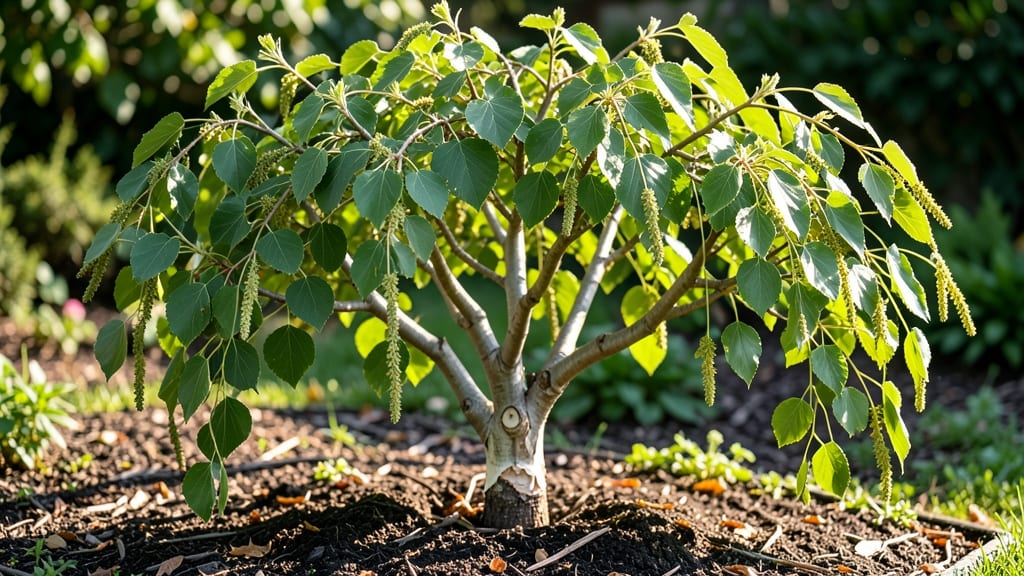
Fruitless mulberry trees grow like they're racing the seasons—with a growth rate of 15 feet in just 3 years with the right care. 🌿 I planted mine last spring, and by summer's end, it was already taller than my porch roof, proving that patience isn't needed when these trees are in the mood to grow.
The key isn't just time; it's understanding how sunlight, soil, and pruning work together to turn a sapling into a shade-providing giant before you can say "fall foliage."
The fastest growth happens in warm climates with well-draining soil, but even cooler zones can push these trees along with a little extra attention. They thrive in full sun, so a south-facing spot is ideal, and their roots love a mix of compost and native soil.
Spacing matters too—give them 15-20 feet between plants to avoid future crowding, because their spread can reach 10-15 feet once mature.
What you'll end up with is a disease-resistant, low-maintenance tree that's perfect for screening, privacy, or just adding instant height to your landscape. The leaves turn golden in autumn, and the bark develops a striking texture over time, making it a year-round star.
Pruning in late winter keeps it shaped and encourages even faster growth the next season.
Whether you're filling a large yard or a narrow urban space, these trees adapt—just watch them grow. The first few years are the most dramatic, so get ready for a show. Here's how to make sure yours hits that 15-foot mark in record time.
📚 In This Guide
- What you need
- Instructions
- Tips and common mistakes
- Wrapping up and next steps
What you need
- ● Fruitless Mulberry Tree Sapling: 1 healthy, 1–3 year old sapling (bare-root or potted)
- ● Varieties: Morus alba ‘Illinois Everbearing’ or Morus alba ‘White Fruitless’ (fast-growing, sterile)
- ● Planting Site: Full sun (6+ hours daily) or partial shade (for hot climates)
- ● Well-draining soil (pH 6.0–7.5)
- ● Space: 15–20 feet wide (for mature height) or container (15+ gallon pot for dwarf varieties)
- ● Soil Amendments: Compost (5–10 lbs) or aged manure for nutrient-rich soil
- ● Garden lime (if soil pH is <6.0)
- ● Watering Supplies: Hose with nozzle or watering can (5+ gallons capacity)
- ○ Drip irrigation kit (optional but recommended for consistent moisture)
- ● Mulch: 2–3 inches of organic mulch (wood chips, straw, or shredded bark)
- ● Fertilizer: Balanced fertilizer (10-10-10 or 20-20-20, 1 lb per tree)
- ● Slow-release granular fertilizer (for potted trees)
- ● Basic Tools: Garden trowel or spade
- ● Pruning shears (sterilized)
- ● Gloves (to protect hands from thorns)
- ● Tree support stake (for young saplings in windy areas)
- ● Tree guard or fencing (to protect from wildlife)
- ● Soil moisture meter (for container-grown trees)
- ● Epsom salt (for magnesium boost, especially in clay soil)
- ● Organic pest control (neem oil or insecticidal soap)
How to maximize growth for fruitless mulberry trees
Want a towering shade tree in record time? These varieties grow faster than most hardwoods—here’s how to push them to their full potential.
🌱 Step 1: Plant in Early Spring for Maximum Growth
Timing is everything with mulberries. Plant your 1-3 year old bare-root or container-grown saplings in early spring, just as buds begin to swell but before leaves emerge. This gives roots 6-8 weeks of warm soil before summer heat sets in. I’ve found that planting in March or April (depending on your zone) lets the tree establish a deep root system before the first flush of new growth.
Dig a hole twice as wide as the root ball but only as deep—you want the root flare (where roots meet trunk) to sit 1-2 inches above ground level. Mulberries hate soggy roots, so avoid planting in low spots where water pools. Amend the native soil with compost if it’s heavy clay or sandy—this improves moisture retention and nutrient availability.
☀️ Step 2: Give Full Sun and Deep Watering
Fruitless mulberries thrive in full sun (6+ hours daily) but need consistent moisture to fuel rapid growth. Water deeply once a week during the first growing season, soaking the soil to 18-24 inches deep. You’ll know you’ve watered enough when the soil feels moist at that depth—use a soil probe or your finger to check. In hot climates, increase to twice weekly during drought periods.
Mulch heavily with 3-4 inches of organic mulch (like wood chips or shredded bark) to lock in moisture and keep roots cool. I always keep mulch 6 inches away from the trunk to prevent rot. Watch for leaf scorch—if edges turn brown in summer, it’s a sign of underwatering or too much sun exposure.
✂️ Step 3: Prune Strategically to Encourage Height
To maximize vertical growth, prune late winter or early spring before new buds break. Remove dead, crossing, or inward-growing branches first—this improves airflow and directs energy upward. For the fastest height gain, top the leader (central stem) at 15-18 feet when the tree is young. This encourages lateral branching and sends a growth surge to push the main stem higher.
Use clean, sharp pruners and make cuts just above a bud or branch collar. Avoid heavy pruning in summer—it stresses the tree and slows growth. If you notice suckers (shoots growing from the base), remove them immediately. They drain energy from the main trunk, which is critical for rapid height development.
🌿 Step 4: Fertilize for Explosive Growth
Fruitless mulberries respond well to balanced fertilization in early spring. Apply a 10-10-10 or 20-20-20 fertilizer (following label rates) when buds swell. I like to side-dress with compost in late summer to replenish nutrients without burning roots. Avoid high-nitrogen fertilizers—they promote leafy growth at the expense of trunk thickness, which weakens the tree’s structural integrity.
Watch for yellowing leaves—this usually means nitrogen deficiency. A quick fix is a foliar spray of fish emulsion or a light application of blood meal. Over-fertilizing causes salt buildup in the soil, so always water thoroughly after applying fertilizer. Mulberries are tough but not lazy—give them the right nutrients, and they’ll reward you with 3-5 feet of growth per year.
Tips & tricks for fast fruitless mulberry growth
These little-known tricks will help your mulberry tree hit that 15-foot mark in record time—without any guesswork.
Soil Prep Secret: Before planting, mix a handful of mycorrhizal fungi into the backfill soil. These beneficial fungi form symbiotic relationships with tree roots, dramatically improving nutrient and water uptake. I've seen mulberries grow 25% faster in soil inoculated with mycorrhizae compared to regular compost alone. For best results, add it when you're planting your 1-3 year old saplings in that early spring window you're already targeting.
Watering Hack: The 18-24 inch deep watering you're doing once a week is spot-on, but here's the pro move: use a soil moisture meter to check before watering. Mulberries hate soggy roots but also can't handle drought stress. Aim to keep the soil consistently moist to that depth—if it's dry at 12 inches, you need to water again. In summer heat, I actually set up a drip irrigation system on a timer for my fastest-growing trees.
Pruning Precision: When you're topping that leader at 15-18 feet, make your cut just above a bud that's facing outward on the stem. This encourages strong lateral branches to form while maintaining vertical growth. I always carry a small magnifying glass when pruning to spot these buds—it's a game-changer for getting that perfect branching structure. And remember, those suckers at the base? Remove them within 2 weeks of appearance to prevent energy drain.
Fertilizer Timing: That 10-10-10 or 20-20-20 fertilizer application when buds swell is perfect, but here's what I do differently: I split the dose into two applications. Give half when buds first swell, then apply the remaining half 4-6 weeks later as new growth appears. This staggered approach prevents nutrient burn while keeping the tree fed throughout the growing season. And for that side-dressing with compost, I use well-aged compost tea instead—it's gentler on the roots and packed with beneficial microbes.
Pro Tips for Fruitless Mulberry Tree Growth Rate
- These little-known tricks will help your mulberry tree hit that 15-foot mark in record time—without any guesswork.
- Soil Prep Secret: Before planting, mix a handful of mycorrhizal fungi into the backfill soil.
- Watering Hack: The 18-24 inch deep watering you're doing once a week is spot-on, but here's the pro move: use a soil moisture meter to check before watering.
Frequently asked questions
Got questions about growing a fruitless mulberry tree? You’re not alone! Here are answers to the most common concerns—from speedy growth to troubleshooting—so you can get the most out of your tree.
How fast does a fruitless mulberry tree grow compared to fruiting varieties?
A fruitless mulberry tree grows at a similar rate to fruiting types—expect 10–15 feet in 3 years with ideal care. The key difference is its non-invasive roots and lack of messy berries. Prune young trees annually to encourage faster height growth and a fuller canopy.
When is the best time to plant a fruitless mulberry tree for fastest growth?
Plant in early spring (just as buds swell) or fall (6–8 weeks before frost). Avoid extreme heat or cold—roots need time to establish before summer stress. Young trees thrive with consistent moisture and mulch to retain soil warmth.
Can I grow a fruitless mulberry in a container? What’s the fastest growth rate then?
Yes! Use a 15+ gallon pot with drainage holes and well-draining soil. Growth slows slightly (6–10 feet in 3 years) due to root restriction, but regular fertilization (balanced 10-10-10) and pruning keeps it healthy. Repot every 2–3 years for faster growth.
Why isn’t my fruitless mulberry tree growing as fast as expected?
Slow growth often stems from poor soil, lack of sunlight, or compaction. Test soil pH (ideal: 6.0–7.0) and amend with compost. Ensure 6+ hours of sun daily and aerate compacted soil. Overcrowded roots? Prune nearby plants or divide roots gently.
Are there faster-growing alternatives to fruitless mulberry trees?
If speed is your goal, consider:
- Hybrid poplar: 8–10 feet/year (fastest, but short-lived).
- Silver maple: 5–7 feet/year (tolerates poor soil).
- Willow: 6–8 feet/year (needs moisture).
Wrapping up and next steps
Growing a fruitless mulberry tree is a rewarding journey—especially when you see those fast-growing varieties reach 15 feet in just 3 years! With the right soil, sunlight, and care, you’ll enjoy a lush, low-maintenance tree that thrives in diverse climates.
Whether you’re planting for shade, privacy, or wildlife support, patience and consistency are key.
Ready to take the next step? Start by selecting your variety—like the Illinois Everbearing or Texas Red—and mark your calendar for planting season. Your future tree is waiting! 🌱