
Trees
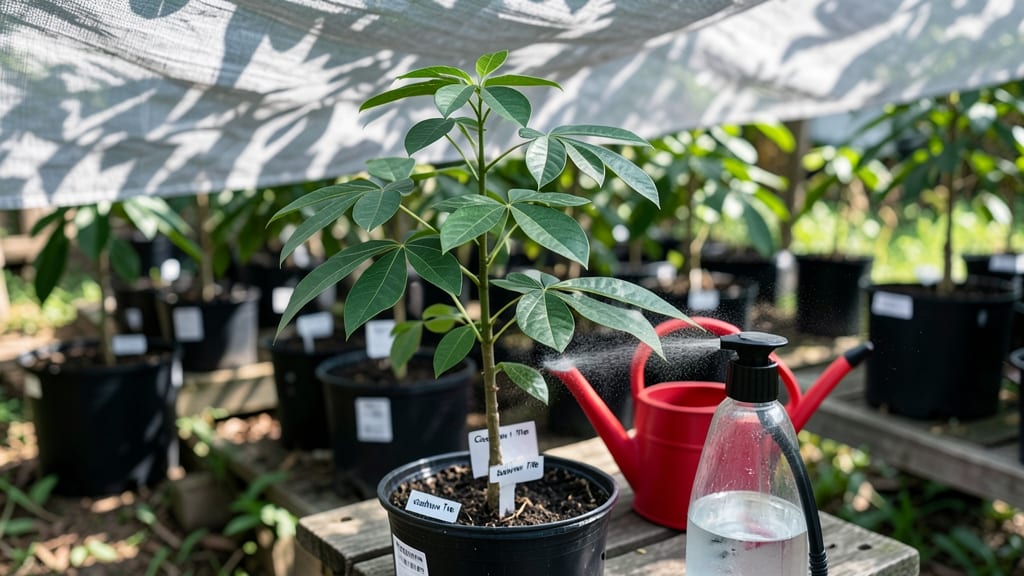
Fast-growing cashew trees start with the right nursery sapling—one that’s already sprouted leaves and roots. 🌱 I’ve learned the hard way that skipping this step means struggling with slow starts or weak plants that never thrive.
The best nursery varieties like ‘Vietnamese’ or ‘Filipino’ germinate in as little as 3-4 weeks, giving you a head start on tropical harvests.
Look for sturdy 1-2 foot saplings with dark green leaves and no signs of pests. Nurseries should provide well-draining soil mixes (think 50% sand, 30% compost, 20% coconut coir) to mimic tropical conditions. Avoid root-bound plants—those telltale circling roots mean transplant shock is coming your way.
Once home, plant in full sun with 6+ hours of direct light daily, and keep soil moist but never soggy. Within 6-8 weeks, you’ll see new growth signaling roots have established.
The first year is all about patience—no heavy pruning, just consistent watering and occasional fertilizer (use a balanced 10-10-10 in spring).
Regional note: Cashews love zones 10-12, but container-growing works in cooler areas. Just move pots indoors before frost. Common beginner mistakes? Overwatering (roots rot fast) and poor drainage (the #1 killer).
Stick with these basics, and you’ll be harvesting nuts in 3-5 years—not the 7-10 years some sources claim.
📚 In This Guide
- What you need
- Instructions
- Tips and common mistakes
- Wrapping up and next steps
What you need
- ● Cashew Seeds or Saplings: Fast-germinating varieties (e.g., Vietnamese or Filipino types) – 50–100 seeds (or 20–50 saplings if starting with nursery-grown stock).
- ● Ensure seeds are fresh (≤6 months old) for optimal germination.
- ● Growing Medium: Potting mix: Well-draining blend of 60% coconut coir, 30% perlite/vermiculite, and 10% compost (sterilized). 10–20 bags (20L each) for 50+ seedlings.
- ● Seedling trays: Biodegradable peat pots (2–3 inch diameter) or plastic trays (50–100 cell count).
- ● Watering Supplies: Spray bottle (for seed soaking) + watering can with fine rose (for seedlings).
- ● pH testing kit (ideal range: 5.5–6.5).
- ● Shelter & Climate Control: Shade cloth (30–50% coverage) to protect young seedlings from direct sun.
- ○ Misting system or humidifier (optional but helpful in dry climates).
- ● Thermometer/hygrometer to monitor ideal temps (75–85°F / 24–29°C).
- ● Fertilizers & Nutrients: Starter fertilizer: Balanced NPK (10-10-10) or seaweed extract (for root boost).
- ● Micronutrients: Zinc, magnesium, and boron (critical for cashew growth).
- ● Pest & Disease Management: Neem oil (1–2%) or copper fungicide (preventative spray).
- ● Insect-proof mesh (for outdoor nurseries).
- ● Growth regulators: IBA rooting powder for cutting propagation.
- ● Automatic drip irrigation system (saves time and ensures consistency).
- ● UV-light grow bulbs (if starting indoors before transplanting).
- ● Labeling tags & database software (to track seedling progress).
- ● Compost tea or bio-stimulants (boosts microbial activity in soil).
Step-by-step instructions for starting a cashew tree nursery
Here's how I jumpstart a thriving nursery with quick-sprouting cashew varieties—ideal for tropical climates.
🌱 Step 1: Select and Prepare Fast-Germinating Cashew Varieties
Choose high-yielding varieties like CPS 1 or Vietnamese Red, known for their 7-14 day germination under ideal conditions. I always source seeds from mature trees—never grocery store cashews, as they're sterilized and won't sprout. Soak seeds in lukewarm water for 24 hours to soften the hard outer shell, which speeds up germination dramatically.
The key here is seed freshness—older seeds germinate poorly. Look for plump, intact seeds with no cracks. I label each batch with the variety and soak date, since germination timing varies slightly between types. Real talk: if you plant dried seeds straight from the tree, you're gambling on 30+ days to first sprouts.
💧 Step 2: Create the Ideal Germination Environment
Fill seed trays with a mix of 50% coconut coir and 50% perlite—this lightweight blend drains well while retaining enough moisture for tender roots. Maintain soil temperature at 80-85°F using a seedling heat mat, as cashews need warmth to break dormancy. I cover trays with clear plastic domes to create a humid microclimate, checking daily for condensation.
Water gently but thoroughly until moisture seeps from the bottom—cashew seedlings hate soggy conditions but need consistent dampness. You'll see the first signs of life when tiny white roots emerge from the seed, usually within 3-5 days after soaking. This is your cue to reduce humidity slightly by lifting the dome for 1 hour daily to prevent fungal issues.
☀️ Step 3: Provide Controlled Light for Seedling Strength
Once sprouts appear, move trays to bright, indirect light—direct sun at this stage scorches delicate leaves. I use a T5 grow light on a 16-hour cycle, positioned 6 inches above seedlings. Watch for leggy growth (thin stems with widely spaced leaves)—this means your light is too far away. Strong seedlings develop thick stems and dark green leaves within 3-4 weeks.
Rotate trays quarter-turn daily so seedlings grow upright rather than leaning toward the light source. The moment first true leaves (not the initial seed leaves) appear, I fertilize with a diluted fish emulsion (5-5-5) to boost root development. Here's the thing—cashew seedlings are sensitive to over-fertilizing, so I use half-strength solution until they're 6 inches tall.
🪴 Step 4: Transplant to Individual Pots for Robust Growth
When seedlings reach 4-6 inches with 4-6 true leaves, transplant to 3-inch diameter pots filled with a mix of 60% potting soil, 20% compost, and 20% sand. Gently tease apart roots if seedlings were crowded, but don't disturb them more than necessary—cashews resent root damage. I use biodegradable pots to avoid transplant shock later.
Place pots in a shaded area for 3 days to help seedlings recover from the move. Water deeply but let the top inch of soil dry between waterings—this prevents root rot while maintaining moisture. After the initial adjustment period, gradually introduce morning sun only, increasing exposure by 1 hour daily until they tolerate full sun by week 6.
⏰ Step 5: Harden Off and Prepare for Outdoor Planting
Two weeks before your last frost date (or when night temperatures stay above 60°F), begin hardening off seedlings. Start with 2 hours of outdoor shade daily, then increase by 1 hour each day while protecting from wind. You'll know they're ready for full outdoor conditions when leaves look vibrant and no wilting occurs after 8 hours of direct sun.
For tropical climates, cashew trees can be planted year-round, but I recommend spring planting for fastest establishment. Dig holes twice as wide and deep as the root ball, mix in compost, and water deeply at planting. The first few weeks after transplanting are critical—keep soil consistently moist (not soggy) and watch for signs of stress like yellowing leaves, which usually means either overwatering or insufficient light.
Tips & tricks for fast-germinating cashew nursery success
Here's what I learned after years of trial-and-error with tropical cashew seedlings—these tricks cut germination time in half while preventing common pitfalls.
Seed Freshness is Non-Negotiable: The 24-hour soaking time works best with freshly harvested seeds. If you're working with older seeds, I recommend pre-soaking them for 48 hours (clearly label them!) to compensate for reduced viability. Store seeds in a cool, dry place between uses—moisture accelerates deterioration. The difference between a 7-day sprout and a 30-day wait often comes down to this single factor.
Temperature Precision Matters: Maintaining that 80-85°F soil temperature range is critical for breaking dormancy. I use a digital soil thermometer to verify heat mats are working properly—some cheap models run 10°F cooler than advertised. If your space dips below 75°F, consider a small greenhouse or heated propagation mat. The moment roots appear (usually within 3-5 days), you can reduce heat slightly to prevent stress.
Lighting Strategy for Strong Seedlings: That 16-hour grow light cycle should be 6 inches away from seedlings—closer than 5 inches causes scorching, farther than 7 inches leads to leggy growth. I rotate trays daily because seedlings grow toward the light source, creating uneven stems. Watch for dark green leaves with thick stems by week 3; anything lighter or thinner needs more light or nutrients. The first true leaves (not the initial seed leaves) are your cue to start fertilizing.
Transplanting Without Shock: When moving to 3-inch pots, I use a 50% compost solution in the new soil mix to help seedlings recover faster. Water thoroughly before transplanting—this prevents air pockets that cause root damage. The 3-day shaded recovery period is crucial; some growers skip this and end up with 30% transplant failure. After week 6, gradually increase sun exposure to harden off seedlings properly.
Pro Tips for Cashew Tree Nursery
- Here's what I learned after years of trial-and-error with tropical cashew seedlings—these tricks cut germination time in half while preventing common pitfalls.
- Seed Freshness is Non-Negotiable: The 24-hour soaking time works best with freshly harvested seeds.
- Temperature Precision Matters: Maintaining that 80-85°F soil temperature range is critical for breaking dormancy.
Frequently asked questions
Got questions about starting your own cashew tree nursery?
You’re not alone! Here are answers to the most common queries to help you grow fast-germinating cashew varieties with confidence.
How long does it take for cashew seeds to germinate?
Cashew seeds typically germinate in 4–8 weeks, depending on temperature, humidity, and seed quality. Pre-soaking seeds for 24–48 hours in warm water can speed up the process. Keep soil consistently moist (not soggy) and maintain temperatures between 75–90°F (24–32°C) for optimal results.
Can I plant cashew seeds directly in the ground, or do I need a nursery?
While you can plant seeds directly in the ground, a nursery gives them a better head start by controlling pests, soil conditions, and sunlight. Young cashew seedlings are vulnerable to drought and fungal diseases, so nurturing them in a protected nursery for 6–12 months increases survival rates when transplanted.
What’s the best time of year to start a cashew tree nursery?
The ideal time is during the early rainy season (spring/summer in tropical climates), when soil moisture is high and temperatures are warm. Avoid planting during extreme heat or cold snaps. In regions with defined seasons, aim for March–June for optimal germination and growth.
Why are my cashew seeds not sprouting? Troubleshooting tips.
If seeds aren’t germinating, check these common issues:
- Old or low-quality seeds: Use fresh, plump seeds (store-bought or from healthy trees).
- Improper moisture: Soil should stay damp but not waterlogged. Use a humidity dome if needed.
- Poor soil drainage: Cashews hate soggy roots. Mix in perlite or sand for aeration.
- Temperature stress: Seeds need warmth (75°F+). Use a heat mat if indoors.
If seeds still refuse to sprout after 2 months, they may be non-viable. Try a new batch!
Are there fast-growing cashew varieties I should prioritize?
Yes! Look for high-yielding, disease-resistant varieties like:
- Vijay: Fast-growing (10–15 years to maturity), drought-tolerant.
- Bhasker: Early bearer (5–7 years) with large nuts.
- Apong: Popular in Southeast Asia; thrives in humid climates.
Ask your nursery supplier for certified disease-free seedlings to avoid setbacks.
Wrapping up and next steps
Starting a cashew tree nursery is an exciting and rewarding venture, especially with fast-germinating varieties that thrive in tropical climates. 🌱 By selecting the right seeds, preparing the ideal growing medium, and maintaining proper care, you’re setting the stage for a thriving nursery that could become a profitable business or a sustainable source of delicious cashews.
The key is consistency—monitoring moisture, light, and temperature while staying patient as your saplings grow.
Ready to take the next step? Start small—plant a test batch of your chosen varieties, document their progress, and refine your techniques. With dedication, your nursery could soon be a hub for tropical agriculture! 🌿