
How To
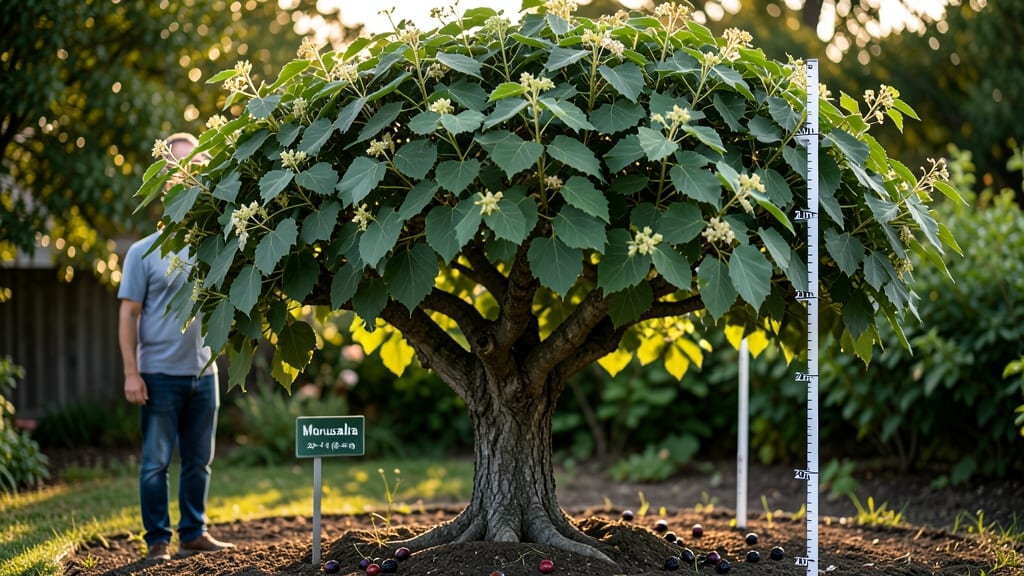
A mulberry tree grows to how tall does a mulberry tree grow heights between 15 and 60 feet—depending on the variety—so choosing the right one for your space is key before you plant.
If you're dreaming of a mulberry tree in your backyard but worried about space, you’re not alone. These trees can range from compact shrubs to towering giants, depending on the variety.
Before planting, knowing the exact height potential of mulberry trees (and how fast they grow!) will help you choose the perfect fit for your landscape.
For example, dwarf varieties like the Illinois Everbearing stay under 25 feet, making them ideal for small yards, while standard types like the black mulberry can soar to 60 feet—taller than a two-story house.
The growth rate also varies, with some reaching 10 feet in just three years.
In this guide, I’ll break down the height differences between common mulberry types, how quickly they grow, and the best pruning tips to manage their size—so you can enjoy sweet berries without sacrificing your yard space.


Mulberry tree height by variety: from dwarf to giant types
Choosing the right mulberry tree for your space means understanding their mature height and growth habits. Some varieties stay under 20 feet, while others can tower over 60 feet—making them unsuitable for small yards.
Let’s break down the most popular types so you can pick the perfect fit for your landscape.
Mulberry trees belong to the Moraceae family and include species like black mulberry, white mulberry, and red mulberry. Their heights vary dramatically, from dwarf varieties ideal for urban gardens to giant types better suited for rural properties.
Below, you’ll find exact measurements, growth rates, and spacing needs for each type.
Pro Tip: Always check your local USDA hardiness zone (most mulberries thrive in zones 5-9) and soil type—clay-heavy soils can stunt growth, while well-draining loam encourages faster height increases.
The Illinois Everbearing mulberry is the smallest option, making it perfect for container growing or tight spaces. It matures in 3–5 years and produces fruit earlier than larger varieties, which is a bonus for impatient gardeners. Plant it 15 feet from walls or fences to avoid root competition.
For medium-sized yards, the white mulberry and Texas mulberry strike a balance. These trees grow 30–50 feet tall but can be pruned to control height. Their fast growth rate means they’ll fill out quickly, providing shade and fruit in just a few years.
Just be prepared for aggressive root systems—they’ll spread 10–15 feet beyond the canopy.
If you have ample space, the black mulberry and red mulberry are stunning choices. These giant varieties can reach 60 feet, rivaling oak trees in stature. They’re ideal for rural properties or as windbreaks, but their size means they’ll need regular pruning to manage height and shape.
Always plant them at least 50 feet from homes or power lines.
Warning: Mulberry trees produce succeeding crops—meaning they fruit on both old and new wood. This makes them high-yielding but also means you’ll need to prune annually to maintain size and improve fruit quality. Use sharp pruners in late winter to remove dead or crossing branches and thin the canopy for better air circulation.
When planting, dig a hole twice as wide as the root ball but only as deep. Amend the soil with compost to improve drainage, and water deeply after planting.
Mulberries thrive in full sun but can tolerate partial shade in hot climates. For dwarf varieties, consider drip irrigation to keep roots consistently moist during dry spells.
Remember, height isn’t the only factor—consider fruit productivity, disease resistance, and local wildlife (birds and squirrels love mulberries!). If you’re unsure, start with a dwarf variety in a pot and transplant it later if your space allows.
How fast do mulberry trees grow? Growth rate timeline by stage
Mulberry trees are fast growers, but their speed depends on the variety, climate, and care you provide. In ideal conditions, these trees can grow 3-5 feet per year during their juvenile phase, with some varieties even reaching 10 feet in just 3 years.
Understanding their growth stages helps you plan for pruning and space management early on.
Young mulberry trees focus energy on establishing roots and vertical growth, while mature trees prioritize canopy expansion and fruit production. Pruning in late winter can control height and encourage bushier growth, but timing matters—cutting too late may stimulate new shoots that won’t harden before winter.
Let’s break down the growth timeline by stage to help you predict your tree’s future size.
- Year 1: 2-4 ft tall with rapid root development. Focus on deep watering and mulching to support early growth.
- Year 2: 6-10 ft spike in height. Prune to shape and remove weak branches. Full sun accelerates growth here.
- Year 3-5: 10-20 ft with slower but steady growth. Begin training branches for structural support if needed.
- Year 6+: 20-60 ft mature height (varies by variety). Growth slows as the tree matures, focusing on fruit and foliage.
Climate plays a huge role in growth speed. Mulberries thrive in USDA Zones 5-9, where warm summers and mild winters fuel rapid growth. In cooler climates, expect slower early growth until the tree establishes roots.
For example, a mulberry in Zone 7 might grow 4-6 feet per year, while one in Zone 9 could hit 5-7 feet annually with consistent moisture.
Pruning isn’t just about height control—it’s also about fruit production. Thin out crowded branches in late winter to improve airflow, which reduces disease risk and boosts berry yield. Avoid heavy pruning in summer, as new growth won’t harden before fall.
Instead, focus on structural pruning during dormancy to guide the tree’s shape and manage its height over time.
If you’re growing mulberries in containers, expect slower growth due to root restriction. Container-grown trees may only reach 10-15 feet tall even after 10 years unless repotted frequently.
For best results, use large pots with drainage and fertilize monthly during the growing season. In-ground planting, however, unlocks their full growth potential.
Remember, mulberry trees reward patience. While their early growth is impressive, their long-term stability and fruit-bearing capacity make them worth the wait. With the right care, you’ll enjoy shade, wildlife benefits, and delicious berries for decades—just plan your space accordingly! 🌳