
Container Gardens
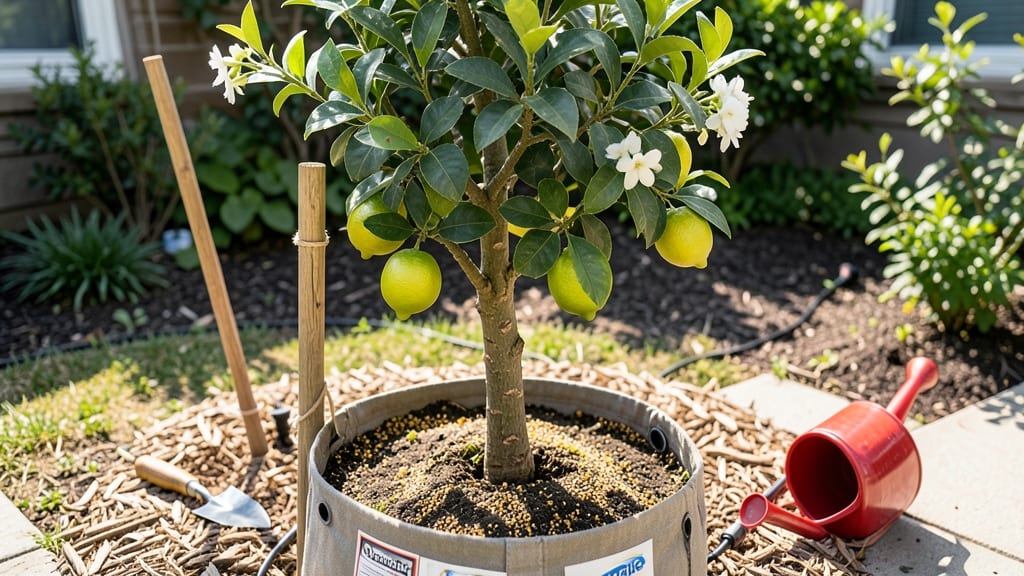
Growing fruit trees in fruit tree container gardening isn't just possible—it's the secret to backyard orchards in apartments, patios, and tiny yards. 🌳 I've grown peaches, plums, and even citrus in 5-gallon pots, and the key lies in dwarf varieties that pack full-size flavor into compact roots.
These trees produce real fruit, not just decorative blooms, and they let you move your orchard to catch the best sunlight or bring harvests indoors before frost.
The magic starts with the right tree: look for dwarf or semi-dwarf varieties labeled for containers, like 'Patio' peaches or 'Pixie' citrus.
You'll need a pot at least 15-20 gallons with drainage holes, a well-draining potting mix designed for fruit trees, and a location that gets 6-8 hours of sun daily. Most beginners underestimate how much space roots need—think bigger pot, not just bigger tree.
Watering changes too: containers dry out faster, so check soil moisture every other day in summer.
By late summer, you'll be harvesting fruit that tastes better than anything from the grocery store. The first year focuses on establishing roots, but year two brings actual fruit production—and the satisfaction of picking a peach from your balcony.
Pruning keeps the tree manageable and encourages better fruiting, while regular feeding with citrus-specific or fruit-tree fertilizer ensures sweet, abundant harvests. The best part? No more waiting for spring to plant—just pop the container outside when temps hit 50°F.
Perfect for urban gardeners, renters, or anyone with limited space. The same principles work for balconies, rooftops, or even sunny windowsills with grow lights. Here's how to get started without the common pitfalls that kill container fruit trees—like overwatering or choosing the wrong pot size. Let's grow that orchard!
📚 In This Guide
- What you need
- Instructions
- Tips and common mistakes
- Wrapping up and next steps
What you need
- ● Container: A large, durable pot (15–30 gallons) with drainage holes. Pro tip: 💡 Use a 5-gallon minimum per year of tree age (e.g., a 20-gallon pot for a 4-year-old tree). Materials like fiberglass, ceramic, or heavy-duty plastic work best.
- ● Dwarf Fruit Tree: Choose a dwarf or semi-dwarf variety (e.g., Columnar Apple, Patio Pear, or Mini Orange). Ensure it’s bare-root or potted from a nursery.
- ● High-Quality Potting Mix: A blend of 60% well-draining soil (e.g., cactus/succulent mix), 30% compost, and 10% perlite or sand for aeration.
- ● Slow-Release Fertilizer: A balanced, organic fertilizer (e.g., 10-10-10 or citrus-specific formula) to nourish roots over time.
- ● Mulch: 2–3 inches of organic mulch (e.g., straw or wood chips) to retain moisture and regulate temperature.
- ● Gloves & Apron: Protect your hands from thorns and soil.
- ● Trowel or Spade: For planting and mixing soil (a 5–7-inch blade works well).
- ● Watering Can or Hose: With a gentle spray nozzle to avoid displacing soil.
- ● Pruning Shears: Bypass pruners (sharp and clean) for shaping and maintenance.
- ○ Support Stakes (Optional): If your tree is top-heavy, use 2–3 stakes and soft ties to secure it.
- ○ Drip Irrigation Kit (Optional): Automates watering and saves time—ideal for busy gardeners! 🌡️
- ● Sunlight: 6–8 hours of direct sun daily (south- or west-facing spots are ideal).
- ● Location: Place containers on casters or a movable stand to adjust for sun/shade needs.
- ● Climate Considerations: Move potted trees indoors (e.g., garage or sunroom) if temperatures drop below 20°F (-7°C).
- ● Pollination Help (For Some Varieties): If growing self-unfruitful trees (e.g., certain apples or cherries), plant a second compatible variety nearby or hand-pollinate with a paintbrush. ✨
Step-by-step guide to growing dwarf fruit trees in containers
Here's how to transform even the smallest balcony into a productive orchard—no yard required!
🪴 Step 1: Select the Right Dwarf Variety and Container
Choose a dwarf variety (like 'Patio' peach or 'Columnar' apple) that stays under 6 feet tall—perfect for containers. The pot must be at least 18 inches deep and wide (20+ inches for citrus) with multiple drainage holes. I use unglazed terra cotta because it breathes and prevents root rot, but any sturdy container with a saucer works.
Fill the bottom 3 inches with gravel or broken pottery for drainage—this prevents soggy roots that strangle fruit trees faster than you'd think. The root system needs room to breathe, especially in containers where water can pool. If your container has wheels, add weight (like bricks) to prevent tipping when laden with fruit.
🌱 Step 2: Prepare the Soil and Plant Your Tree
Use a well-draining potting mix blended with 20% perlite or coarse sand—standard garden soil compacts in containers and suffocates roots. I mix 50% potting mix, 30% compost, and 20% perlite for the perfect balance. Fill the container to 2 inches below the rim, leaving room for watering.
Remove the tree from its nursery pot and loosen the roots if they're circling tightly. Place it in the center of the container, ensuring the graft union (the bump where the rootstock meets the scion) sits 2 inches above the soil line. This prevents the tree from growing a new root system at the base, which weakens the graft. Backfill with soil, pressing gently to eliminate air pockets.
☀️ Step 3: Position for Sunlight and Water Correctly
Fruit trees need 6-8 hours of direct sun daily—south-facing spots are ideal, but west exposures work too. If you're in a shady spot, choose columnar varieties like 'Columnar' apple, which tolerate slightly less light. Rotate the container a quarter turn weekly so the tree grows straight instead of leaning toward the sun.
Water deeply once a week (more in summer), ensuring the entire root ball stays moist but not soggy. Stick your finger 2 inches into the soil—if it feels dry, water again. Overwatering is the #1 killer of container fruit trees, so always check the saucer for excess water and empty it after 10 minutes. Mulch the top 2 inches of soil with straw or wood chips to retain moisture and regulate temperature.
✂️ Step 4: Prune and Fertilize for Maximum Fruit Production
Prune in late winter (before buds swell) to shape the tree and remove dead or crossing branches. I cut back 1/3 of last year's growth to encourage new, fruiting wood. Use clean, sharp pruners and make cuts just above a bud or outward-facing branch—this prevents ugly stubs and directs growth where you want it.
Fertilize every 4-6 weeks during growing season with a balanced, slow-release fertilizer (10-10-10 ratio). Over-fertilizing leads to leafy growth at the expense of fruit, so follow the package instructions precisely. In fall, switch to a low-nitrogen, high-phosphorus fertilizer to support root development and next year's fruit set. Watch for yellowing leaves—this usually means too much nitrogen or not enough water.
🍎 Step 5: Harvest and Overwinter for Next Year
Harvest fruit when it ripens naturally—don't pick early just because it's convenient. For example, peaches soften slightly when ripe, while apples pull away from the tree easily. Use clean pruners or scissors to avoid damaging branches. Store harvested fruit in a cool, dry place (like a garage) for up to 2 weeks—container-grown fruit ripens faster than yard-grown varieties.
Before winter, reduce watering but keep the soil slightly moist. Move the container to a sheltered spot (like a garage or against a south-facing wall) where temps stay above 20°F. Wrap the trunk and branches in burlap or tree wrap to protect against cold winds and sunscald. In spring, resume regular care—your tree will reward you with earlier blooms and fruit than yard trees!
Tips & tricks for thriving container-grown dwarf fruit trees
Growing fruit trees in containers is one of those rewarding projects that feels like magic—until you hit the common pitfalls. Here's what I've learned after watching my own trees go from struggling saplings to productive little powerhouses.
Drainage is Non-Negotiable: That 3-inch layer of gravel at the bottom isn't just a suggestion—it's your tree's lifeline. I've seen root rot destroy perfectly healthy trees in just weeks when drainage was ignored. For extra insurance, add a layer of broken terracotta pots (the kind you buy for drainage) mixed with your gravel. These break down over time, creating permanent air pockets that prevent compaction. And if you're using a container with a saucer, always empty excess water after 10 minutes—soggy roots can't breathe, and they'll suffocate your tree faster than you can say "harvest."
The Graft Union is Your Tree's Secret Weapon: When planting, make sure that graft union sits 2 inches above the soil line—this isn't just a rule, it's a survival tactic. I learned this the hard way when my first container peach tree grew a wild, vigorous root system below the graft, completely undermining the dwarfing rootstock. The result? A 10-foot monster instead of a 4-foot tree. To check your placement, use a pencil to mark the 2-inch spot on your container's side before planting. It's a small detail that makes all the difference.
Sunlight Rotation Prevents Lopsided Growth: That weekly quarter-turn you're supposed to give your container isn't just about aesthetics—it's about structural integrity. Trees naturally lean toward the sun, and without rotation, you'll end up with a tree that looks like it's doing a dramatic bow. I rotate my containers every Sunday morning while I'm watering, and my trees grow straight as arrows. For extra stability, place your container on a non-slip mat or a layer of landscape fabric to prevent it from shifting during wind or watering. A crooked tree isn't just ugly—it's one that might snap under the weight of fruit.
Fertilizer Timing is Everything: Switching to that low-nitrogen, high-phosphorus fertilizer in fall isn't just a seasonal formality—it's how you prepare your tree for next year's fruit set. I make a point to mark my calendar with reminders for this switch, because missing it means your tree will focus on leafy growth instead of developing the energy reserves needed for flowering. And when you do fertilize, always water thoroughly first—this prevents fertilizer burn, which can leave ugly brown patches on leaves and roots. Think of it as giving your tree a good drink before the heavy meal.
Pro Tips for Fruit Tree Container Gardening
- Growing fruit trees in containers is one of those rewarding projects that feels like magic—until you hit the common pitfalls.
- Drainage is Non-Negotiable: That 3-inch layer of gravel at the bottom isn't just a suggestion—it's your tree's lifeline.
- The Graft Union is Your Tree's Secret Weapon: When planting, make sure that graft union sits 2 inches above the soil line—this isn't just a rule, it's a survival tactic.
Frequently asked questions
Got questions about growing fruit trees in containers? You’re not alone! Here are some of the most common concerns—and their solutions—to help you get started with confidence.
What’s the best dwarf fruit tree variety for beginners?
Start with easygoing varieties like dwarf Meyer lemon or columnar apple trees (e.g., ‘Centennial’). These tolerate containers well, produce reliably, and require minimal fuss. Citrus trees thrive indoors or in sunny patios, while apples and pears prefer outdoor pots with winter protection.
How long does it take for a container-grown fruit tree to bear fruit?
Patience is key! Dwarf varieties typically fruit in 2–5 years, depending on the type. Citrus (like lemons) may bear in 1–2 years, while apples or peaches can take longer. Ensure full sun, proper watering, and balanced fertilizer to speed up fruiting.
How often should I water a fruit tree in a container?
Containers dry out fast—check soil moisture daily in summer! Water deeply when the top 1–2 inches feel dry. Overwatering is worse than underwatering, so use pots with drainage holes and a well-draining soil mix. Mulch helps retain moisture.
Can I grow a fruit tree in a small balcony planter or just a bucket?
Yes, but size matters! Opt for at least 15–25 gallons for dwarf trees (e.g., 18–24” pots). Buckets work for citrus or columnar varieties, but ensure they’re wide enough for roots. Avoid tiny containers—they stunt growth and limit fruit production.
What pests should I watch for in container-grown fruit trees?
Common culprits include aphids, spider mites, and scale insects. Inspect leaves regularly! Spray with neem oil or insecticidal soap for mild infestations. Prevent issues by keeping trees healthy, pruning for airflow, and avoiding overwatering (which attracts fungus gnats).
Wrapping up and next steps
Container gardening with fruit trees proves that small spaces can yield big rewards—literally! 🌱 With the right dwarf varieties, proper care, and a little creativity, you can enjoy fresh, homegrown fruit without needing a backyard.
Whether you’re growing apples in pots, citrus in containers, or berries in buckets, the key is patience and passion.
Ready to take the next step? Start by choosing your favorite dwarf fruit tree and gathering your supplies. Then, roll up your sleeves and plant with confidence—your future harvest is just a season away! 🍎✨