
Container Gardens
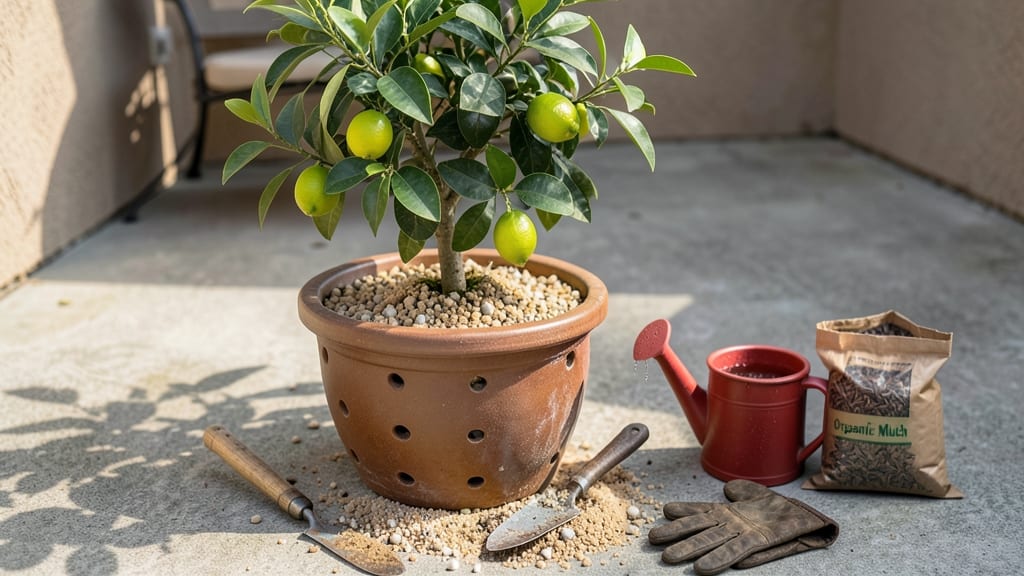
Planting a Meyer lemon tree in a container means sweet, fragrant citrus within arm's reach—no backyard required. 🌱 I learned the hard way that these trees need the right pot, soil, and sunlight to thrive, and once you get it right, they reward you with lemons by year two.
The secret starts with a 15-20 gallon pot (minimum) and drainage holes—no exceptions. Use a well-draining potting mix with perlite or sand to prevent root rot, and position your tree where it gets 6-8 hours of sunlight daily.
Most beginners overwater, but Meyer lemons hate soggy soil; let the top inch dry before watering again. By summer, you'll watch glossy new leaves unfurl and tiny white flowers appear. The first lemons might be small, but they'll be sweeter than any store-bought fruit.
Prune lightly after harvest to encourage bushier growth next season. Even in apartments or patios, this tree will flourish with the right care. Here's how to avoid the common pitfalls that stunt growth.
📚 In This Guide
- What you need
- Instructions
- Tips and common mistakes
- Wrapping up and next steps
What you need
- ● Meyer lemon tree: A healthy 1-3 gallon potted sapling (check for vibrant green leaves and no signs of pests).
- ● Container: Minimum 15-20 gallons (18-24" diameter/width) for mature trees.
- ● Must have drainage holes (4+ holes recommended).
- ● Material: Terracotta, ceramic, or high-quality plastic (avoid treated wood or metal).
- ● Well-draining potting mix: 50% cactus/succulent mix + 50% organic matter (e.g., perlite, pumice, or orchid bark). Avoid garden soil!
- ○ Gravel or pebbles: 2-3 inches for drainage layer (optional but highly recommended).
- ● Slow-release citrus fertilizer: 10-10-10 NPK ratio (follow package instructions for application).
- ● Watering can or hose with gentle spray nozzle: For even moisture without over-saturating.
- ○ Support stake (optional but helpful): 4-6 ft tall (if planting a young tree that may need stability).
- ● Sunlight: 6+ hours of direct sunlight daily (south or west-facing spot ideal).
- ● Temperature: 50–95°F (protect from frost; bring indoors if temps drop below 40°F).
- ● Humidity: 40-60% (mist leaves occasionally in dry climates).
- ● 🌡️ Thermometer: A small one to monitor soil temp (ideal: 60–85°F).
- ● ✨ Self-watering tray: Keeps roots consistently moist without soggy soil.
- ● 🔄 Container dolly: Makes moving your heavy citrus tree easier (especially in winter!).
Step-by-step instructions for planting a Meyer lemon tree in a container
Here's how to grow a thriving Meyer lemon tree in pots—perfect for patios or sunny windowsills.
🪴 Step 1: Choose the Right Container and Drainage
Start with a 5-gallon pot (minimum) for your first year—Meyer lemons need room for roots to spread. Look for containers with multiple drainage holes at the bottom, or drill extra holes if needed. Terra cotta pots work best because they breathe, but avoid plastic if your climate gets chilly—it traps cold and can damage roots.
Place a 2-inch layer of gravel or broken pottery in the bottom before adding soil. This creates an air pocket to prevent soggy roots, which rot quickly in containers. I always check drainage by running water through the pot—if it pools at the bottom, the holes aren't large enough. Use a well-draining citrus potting mix (never garden soil—it compacts and suffocates roots).
🌱 Step 2: Plant Your Meyer Lemon Tree Correctly
Gently remove the tree from its nursery pot and loosen the roots if they're circling tightly. Plant at the same depth it was in the nursery pot—burying too deep suffocates the stem, while planting too shallow exposes roots to drying air. Fill around the root ball with your citrus mix, pressing lightly to eliminate air pockets.
Leave about 1 inch of space between the soil surface and the pot's rim. This prevents overflow when you water. After planting, give the tree a deep drink—water until it runs freely from the drainage holes. This settles the soil and removes air bubbles that could strangle roots. I like to water in the morning so the tree starts the day hydrated.
☀️ Step 3: Position for Maximum Sunlight and Warmth
Meyer lemons crave 6-8 hours of direct sunlight daily. Place your container in the sunniest spot you have—south-facing windows, patios, or balconies work best. If you're indoors, supplement with a grow light (12-14 hours/day) to prevent leggy growth. You'll know your tree is getting enough light when the leaves stay deep green and new growth appears regularly.
Protect your tree from cold drafts—Meyers tolerate down to 20°F but prefer above 50°F. In winter, move containers indoors near a sunny window or use a grow light to maintain growth. Watch for leaves curling or dropping—this is your signal the temperature dropped too low. A small space heater near the tree (not too close!) helps in freezing climates.
💧 Step 4: Water and Fertilize for Optimal Growth
Water when the top 1-2 inches of soil feel dry—stick your finger in to check. Overwatering is the #1 killer of container-grown citrus. When you water, soak the soil thoroughly until water drains from the bottom. Empty the saucer afterward to prevent root rot. In summer, you may need to water every 2-3 days, while winter slows watering to once a week or less.
Feed your tree every 4-6 weeks with a balanced citrus fertilizer (10-10-10 or similar). Follow the package instructions—too much fertilizer burns roots. I also add Epsom salt (1 tablespoon per gallon of water) monthly to boost magnesium, which keeps leaves vibrant. Flush the soil with plain water every 3 months to prevent salt buildup from fertilizers.
✂️ Step 5: Prune and Maintain for Fruit Production
Prune in late winter or early spring before new growth starts. Remove any dead, diseased, or crossing branches with clean pruners. You can also trim back leggy growth to encourage bushier shape—cut just above a leaf node where new branches will form. Never prune more than 1/3 of the tree at once, or it stresses the plant.
Watch for yellow leaves—this usually means overwatering or nutrient deficiency. If the yellowing starts at the bottom of the tree, it's likely overwatering. If it's new growth, you may need more nitrogen. Dust leaves occasionally with a mild neem oil solution to prevent pests like aphids or scale, which love tender new growth. With proper care, your Meyer lemon tree will reward you with sweet, fragrant fruit in 2-3 years!
Tips & tricks for perfect container-grown Meyer lemon trees
Confession: I nearly killed my first Meyer lemon tree by ignoring these simple but game-changing details. Here's what nobody tells you about growing citrus in containers.
Container Size Matters: That 5-gallon pot recommendation isn't just a starting point—it's a survival requirement. Meyer lemon trees grow surprisingly fast, and roots that hit the sides of a container will circle and strangle themselves. After the first year, upgrade to a 7-10 gallon pot with at least 2 inches more diameter than your current container. I use self-watering pots now, and the difference in root health is night-and-day. The extra space also helps prevent that dreaded "root-bound" look where leaves yellow despite proper care.
Soil Temperature Secret: Your tree's roots need warmth to thrive, especially in containers. In cooler climates, place pots on brick or cinder blocks to elevate them 2-3 inches off the ground. This prevents roots from chilling out when night temperatures drop below 50°F. I've seen dramatic growth differences just from this simple elevation trick—roots stay warmer, and the tree can absorb nutrients more efficiently. For extra warmth, wrap the pot in burlap during winter (remove in spring) to insulate against temperature swings.
Lighting Hacks for Indoor Growers: That 6-8 hours of sunlight isn't always possible indoors. If your tree starts stretching toward the window (a sign of "etiolation"), supplement with a full-spectrum LED grow light placed 6-12 inches above the tree. Run it for 12-14 hours daily, but give the tree 8 hours of darkness to rest. I use a timer for this—consistency is key. For best results, rotate the tree quarter-turn weekly so it grows evenly rather than leaning toward the light source. You'll notice leaves stay deeper green and new growth appears more compact.
Fertilizer Timing That Actually Works: The 4-6 week feeding schedule is perfect, but here's the secret: halve the recommended dose in winter months (December-February). Over-fertilizing in cold weather stresses the tree and can cause leaf burn. I also mix my fertilizer with water in a spray bottle and lightly mist the soil surface—this prevents salt buildup while still nourishing the roots. That monthly Epsom salt treatment? Mix it with your regular watering schedule, but never apply when the soil is dry—always water first to prevent root damage.
Pro Tips for Plant Meyer Lemon Tree In Container
- Confession: I nearly killed my first Meyer lemon tree by ignoring these simple but game-changing details.
- Container Size Matters: That 5-gallon pot recommendation isn't just a starting point—it's a survival requirement.
- Soil Temperature Secret: Your tree's roots need warmth to thrive, especially in containers.
Frequently asked questions
about growing a Meyer lemon tree in a container—because every gardener deserves a little sunshine (and zero stress)!How big should the container be for a Meyer lemon tree?
A 5-gallon pot is the minimum for young trees, but 10–15 gallons is ideal for mature trees (5+ years). Larger containers prevent root-bound stress and support bigger harvests. Use pots with drainage holes—no exceptions!
When is the best time to plant a Meyer lemon tree in a container?
Plant in spring or early summer (after last frost) for best root establishment. If planting in fall/winter, choose a warm microclimate (like a greenhouse or sunny patio) to protect from cold snaps. Avoid winter planting in frost-prone zones!
How often should I fertilize a container-grown Meyer lemon tree?
Feed every 4–6 weeks in growing season (spring–fall) with a balanced citrus fertilizer (e.g., 6-6-6 or 8-3-9). Reduce to monthly in winter when growth slows. Pro tip: Flush soil with water monthly to prevent salt buildup!
Why are my Meyer lemon tree’s leaves turning yellow?
Yellow leaves usually signal overwatering, nutrient deficiency, or root rot. Check soil moisture (top 1–2 inches should dry out). Ensure proper drainage and adjust watering—containers dry faster than ground soil! If roots smell sour, repot in fresh soil and trim affected roots.
Can I grow a Meyer lemon tree indoors year-round?
Yes! Place near a south-facing window (6+ hours of sunlight daily) or use a grow light. Keep temps between 60–85°F and maintain humidity (mist leaves or use a pebble tray). Just don’t expect fruit indoors—outdoor light and pollination boost yields!
What if my container doesn’t have drainage holes?
Drill holes yourself (use a 1/4-inch drill bit) or line the bottom with gravel or broken pottery to create a drainage layer. Without holes, roots suffocate, leading to rot. No holes? No lemons!
How do I protect my container lemon tree in winter?
Move pots to a garage, patio, or insulated area when temps drop below 40°F. Wrap the container in bubble wrap and mulch the soil. Avoid cold drafts—lemon trees hate frost! If outdoors, use a windbreak and cover with frost cloth if needed.
Wrapping up and next steps
Growing a Meyer lemon tree in a container is a rewarding journey that brings fresh, fragrant citrus to your doorstep—no backyard required! 🌱 With the right pot, soil, sunlight, and care, your tree can thrive and even produce sweet, juicy lemons year after year.
Start small, stay consistent with watering and pruning, and soon you’ll be harvesting homegrown lemons for everything from lemonade to homemade preserves.
Ready to take the next step? Pick your container, grab those supplies, and get planting! Your sun-kissed citrus adventure begins today.