
Pruning
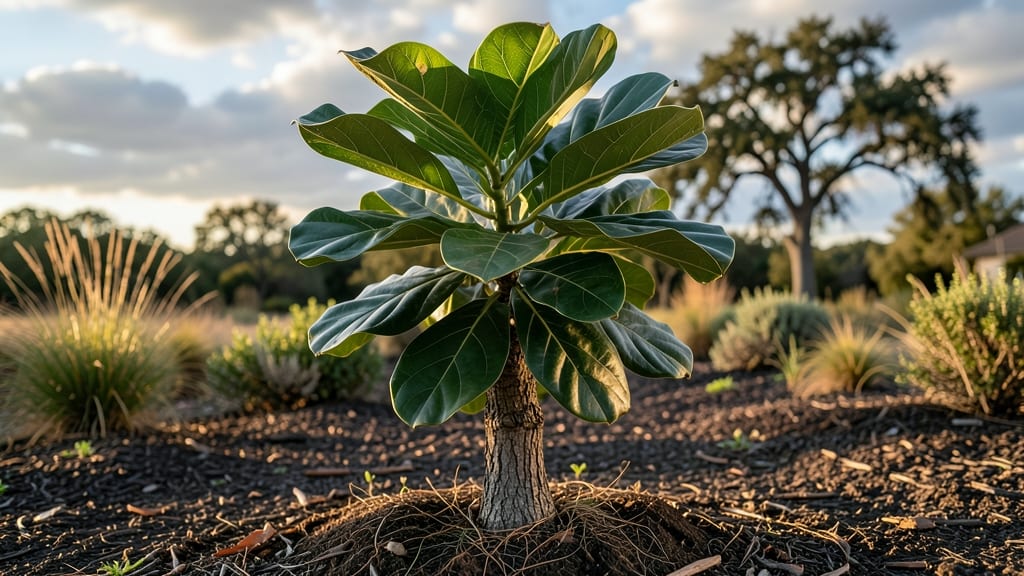
Outdoor Ficus lyrata trees need careful pruning to keep their iconic leaves thriving year-round. 🌿 I’ve learned the hard way that cutting back too much or at the wrong time can shock these tropical beauties—so I’m sharing the exact timing, tools, and techniques that keep mine lush without stressing the plant.
The key is pruning during active growth, just after new leaves unfurl in spring or summer. Avoid winter cuts unless you’re moving the plant indoors before frost—these trees are frost-sensitive and won’t bounce back from cold damage.
Use sharp, sterilized shears to make clean cuts just above a leaf node, and never trim more than one-third of the foliage at once.
What you’ll end up with is a bushier, fuller tree with vibrant green leaves all season. The right pruning encourages new growth at the base, giving your Ficus lyrata that coveted "tree-like" structure instead of a leggy, sparse look.
Plus, you’ll avoid the common mistake of over-pruning, which can leave your plant struggling to recover.
This works for both container-grown Ficus lyrata and in-ground plantings in warm climates. If you’re in a cooler zone, I’ll show you how to transition your tree indoors before winter—no more brown, crispy leaves come spring. Let’s get those shears ready!
📚 In This Guide
- What you need
- Instructions
- Tips and common mistakes
- Wrapping up and next steps
What you need
- ● Pruning shears: Sharp, bypass-style shears (4–6-inch blades) for clean cuts. (Avoid anvil shears—they crush stems!)
- ● Hand pruners: Small, bypass pruners (2–3-inch blades) for delicate trimming of smaller branches.
- ● Rubbing alcohol (70%+) or hydrogen peroxide (3%): 1 small bottle to sterilize tools before/after cuts.
- ○ Gloves: Heavy-duty gardening gloves (optional but recommended—Ficus lyrata sap can irritate skin!).
- ● Sealing wax or pruning paste: 1 small tube to coat larger cuts and prevent sap oozing.
- ● Loppers: For thicker branches (if your tree is mature and over 1-inch thick).
- ● Disinfectant spray: 1 bottle to clean tools mid-pruning if working with multiple cuts.
- ● Plant food (balanced fertilizer): 1 bag of 10-10-10 or 20-20-20 to feed the tree post-pruning.
- ● Mulch: Shredded bark or compost to replenish soil nutrients after trimming.
- ● Spray bottle with water: To mist leaves and reduce stress during/after pruning.
- ● ✅ Outdoor space: A spot with bright, indirect light (morning sun is ideal). Avoid harsh afternoon rays.
- ● ✅ Well-draining soil: Ensure your pot or garden bed has drainage holes to prevent root rot.
- ● ✅ Watering schedule: Water thoroughly 1–2 days before pruning (but avoid soggy soil).
- ● ✅ Patience: Wait until spring or early summer for major pruning—never trim in fall/winter!
Instructions for year-round ficus lyrata pruning
Here's my go-to approach for keeping your fiddle-leaf fig thriving outside—no matter the season.
🌿 Step 1: Assess Growth and Identify Pruning Needs
Start by examining your ficus lyrata for signs of overgrowth or leggy stems. Look for branches that are growing too close together, crossing paths, or stretching toward the light. These are your targets. I also check for yellowing leaves or dead branches—anything that looks unhealthy should be pruned first. Healthy growth should have vibrant green leaves with no brown edges or spots.
Run your fingers along the stems to feel for any weak or brittle spots. These are often hidden growth issues that need immediate attention. Prune these areas last, as they may bleed sap more than healthy cuts. Remember, you're shaping the tree's natural shape while encouraging fuller, bushier growth.
✂️ Step 2: Prune for Shape and Health
Use sharp, clean pruning shears to make your cuts. I always sterilize my tools with rubbing alcohol first to prevent disease. For shaping, cut just above a leaf node—this is where new growth will sprout. Make your cuts at a 45-degree angle to help water run off and prevent rot. Avoid cutting too close to the trunk, as this can damage the tree.
Focus on removing about one-third of the leggiest growth at a time. This prevents shock to the plant. If you're pruning for size control, cut back the longest stems by about one-third to half their length. Watch for where the leaves are spaced—tighter spacing means healthier, fuller growth. Never remove more than 25% of the foliage in one session, or you risk stressing the plant.
🌱 Step 3: Encourage New Growth After Pruning
After pruning, give your ficus lyrata a light watering to help it recover. I like to use room-temperature water to avoid shocking the roots. Place the tree in a spot with bright, indirect light for a few days to help it adjust. Direct sunlight can stress freshly pruned plants, so avoid placing it in harsh afternoon sun immediately.
Within 2-4 weeks, you should see new growth emerging from the leaf nodes where you made your cuts. This is your signal that the pruning was successful. If you don’t see new growth after 6 weeks, consider adjusting the light or watering routine. Ficus lyrata thrives in 60-75°F temperatures and moderate humidity, so keep an eye on these factors if growth stalls.
⏰ Step 4: Seasonal Adjustments for Year-Round Care
In spring, focus on pruning to encourage new growth before the active growing season. This is when your ficus lyrata will bounce back fastest. In summer, prune lightly to control size and shape, but avoid heavy cuts—this is when the tree is most vulnerable to stress. In fall, reduce pruning to minimal maintenance, allowing the tree to prepare for dormancy.
Winter is the only time I avoid pruning unless absolutely necessary. If you must prune in winter, do so sparingly and only to remove dead or damaged branches. Keep the tree in a protected outdoor spot or bring it indoors if temperatures drop below 40°F. Ficus lyrata is sensitive to cold drafts, so avoid placing it near doors or windows that open frequently.
Tips & tricks for perfect outdoor ficus lyrata pruning
Here's what nobody tells you about keeping your fiddle-leaf fig looking its best year-round—without stressing the plant.
Tool Prep Matters: Before you even touch your ficus lyrata, take 5 minutes to sterilize your pruning shears with rubbing alcohol. I learned this the hard way after introducing fungal infections to my tree from dirty tools. For extra safety, use a fresh pair of shears for each pruning session—old blades can harbor bacteria even after cleaning. This simple step prevents more headaches than you'd think.
Visual Cues for Perfect Cuts: When making your 45-degree angle cuts in Step 2, look for the leaf nodes—these are the small bumps where leaves attach. Cut just above these nodes, about 1/8 inch away. You'll know you're in the right spot when you see tiny buds forming at the base of the cut stem within weeks. If you cut too close to the trunk or below a node, new growth won't emerge, and you'll have a bare stem.
Seasonal Light Adjustments: After pruning, your ficus lyrata needs bright, indirect light for recovery. In summer, position it under a sheer curtain to filter harsh afternoon sun, which can scorch new growth. I've found that east-facing windows or partially shaded outdoor spots work best during warm months. In winter, you might need to supplement with a grow light if natural light is limited—ficus lyrata needs at least 6 hours of indirect light daily to thrive.
Temperature Watch During Recovery: The 60-75°F range mentioned in Step 3 is ideal, but don't just rely on the thermometer. In summer heat waves, even brief exposure to temperatures above 80°F can stress your recovering tree. I keep a fan nearby to create gentle airflow around the plant, which helps regulate temperature without creating drafts. If you notice leaves curling or wilting during recovery, move the plant to a cooler spot immediately.
Pro Tips for Ficus Lyrata Tree Outdoor
- Here's what nobody tells you about keeping your fiddle-leaf fig looking its best year-round—without stressing the plant.
- Tool Prep Matters: Before you even touch your ficus lyrata, take 5 minutes to sterilize your pruning shears with rubbing alcohol.
- Visual Cues for Perfect Cuts: When making your 45-degree angle cuts in Step 2, look for the leaf nodes—these are the small bumps where leaves attach.
Frequently asked questions
Got questions about keeping your Ficus lyrata thriving outdoors? You’re not alone! Here are answers to the most common queries—from pruning to placement—so you can enjoy that stunning fiddle-leaf foliage year-round.
Can a Ficus lyrata survive outdoors in winter?
A Ficus lyrata is tropical and prefers warmth, but with the right care, it can handle mild winters (down to 40°F/4°C). Move it to a sheltered spot, like a garage or under an overhang, and avoid frost. If temps drop below freezing, bring it indoors or use frost cloth for protection.
When is the best time to prune my outdoor Ficus lyrata?
The ideal time to prune is late winter or early spring (before new growth starts) or summer after flowering. Avoid pruning in fall—it stresses the plant before dormancy. Focus on shaping, removing dead leaves, and thinning crowded branches for airflow. Use sterilized tools to prevent disease!
Why are my Ficus lyrata leaves turning yellow or dropping?
Yellowing or dropping leaves usually signal overwatering, underwatering, or stress. Check the soil—it should be slightly moist but never soggy. Outdoor plants may also react to temperature shocks, pests (like spider mites), or poor drainage. Trim affected leaves and adjust care to revive your tree.
What’s the best outdoor location for a Ficus lyrata?
Place your fiddle-leaf fig in bright, indirect sunlight (morning sun is ideal) and protect it from harsh afternoon rays. It thrives in humidity-rich spots, like near a water feature or in a shaded patio. Avoid windy areas—its large leaves can tear easily. A well-draining container or raised bed works best!
Can I prune my Ficus lyrata too much?
Yes! Over-pruning stresses the plant, leading to stunted growth or leaf loss. Never remove more than 20-30% of the foliage at once. Focus on shaping and maintenance, not aggressive cuts. If you’ve already pruned too much, reduce watering slightly and fertilize lightly to encourage recovery.
Pro Tip:
After pruning, wipe the leaves with a damp cloth to remove dust and improve photosynthesis. Outdoor plants benefit from a monthly misting (especially in dry climates) to mimic their tropical habitat. Keep an eye out for pests—early action prevents big problems!
Wrapping up and next steps
Growing a thriving Ficus lyrata outdoors is all about understanding its needs and keeping up with year-round pruning. With the right tools, timing, and techniques, you’ll enjoy lush, vibrant foliage that brightens your space.
Whether you’re trimming for shape, health, or growth, consistency is key—so don’t hesitate to roll up your sleeves and get hands-on!
Ready to elevate your fiddle-leaf fig’s potential? Start by scheduling a quick pruning session this weekend—your plant (and your green thumb!) will thank you. 🌿✨