
Pruning
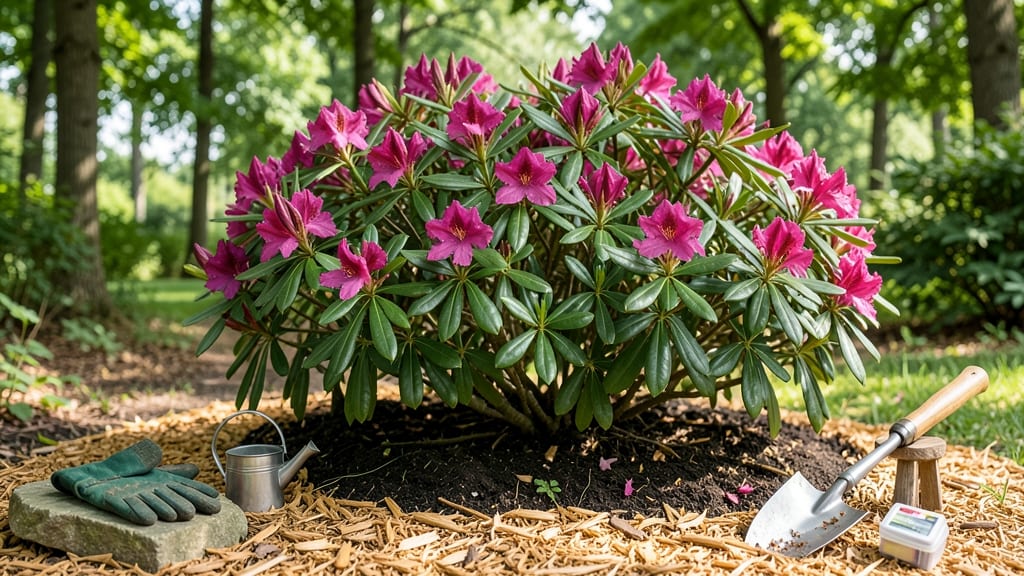
Azalea tree care outdoor thrives when you prune them like a pro—it’s the secret to year-round color and lush foliage. 🌸 I’ve watched my azaleas go from sparse blooms to vibrant, bushy shrubs by following a few key rules: when to trim, how much to cut, and what to avoid. The difference between a scraggly plant and a showstopper often comes down to timing and technique. Most gardeners mess this up by pruning after blooms fade, but the best time is actually right after flowering—when new growth begins. I learned this the hard way after shearing my azaleas too late and ending up with fewer blooms the next season. A sharp pair of pruners and a clear plan make all the difference. You’ll end up with denser branches, brighter blooms, and a shape that fits your landscape perfectly. The key is removing dead wood first, then thinning out crowded spots to let light and air circulate. Azaleas reward good care with months of color and fewer pest problems. Whether you’re dealing with a young sapling or an established shrub, these steps work for any outdoor azalea. Let’s get those branches looking their best!
📚 In This Guide
- What you need
- Instructions
- Tips and common mistakes
- Wrapping up and next steps
What you need
- ● Pruning shears: Bypass pruners (sharp, clean, and sterilized with rubbing alcohol between cuts).
- ● Loppers: For thicker branches (1.5"–2" diameter), with long handles for leverage.
- ● Pruning saw: For stubborn, woody stems (avoid chainsaws—they damage bark!).
- ● Garden gloves: Heavy-duty, chemical-resistant (azaleas can be thorny!).
- ● Disinfectant spray: 70% isopropyl alcohol or a copper fungicide to prevent disease spread.
- ● Mulch: 2–3 inches of organic mulch (pine bark or shredded leaves) to retain moisture.
- ● Watering can or hose: With a gentle spray nozzle (azaleas hate soggy roots!).
- ● pH test kit: To check soil acidity (ideal range: 4.5–6.0).
- ● Slow-release acid-loving fertilizer: Look for azalea-specific or rhodo-dendron blends (e.g., 10-10-10 with micronutrients).
- ● Hand pruners: For precision trimming on smaller branches.
- ● Extension pole: For high-reaching branches (10–12 ft).
- ● Soil amendment: Peat moss or sulfur to boost acidity if needed.
- ○ Tree wound dressing: (Optional) For large cuts—use only if the cut is >1" diameter.
- ● Drip irrigation system: For consistent moisture (great for large azalea groves!).
- ● Reflective mulch: Light-colored mulch to deter weeds and retain heat.
Step-by-Step outdoor azalea tree care
Azaleas reward patience—here’s how to keep yours blooming like clockwork year after year.
🌿 Step 1: Feed and Mulch for Spring Growth
Once new leaves appear in early spring, apply a balanced, acid-loving fertilizer (10-10-10 or 8-3-9) around the root zone but not touching the trunk. I use about ½ cup per foot of tree height—so a 6-foot azalea gets 3 cups total. Water deeply after applying to help nutrients reach the roots.
Spread 3-4 inches of organic mulch (pine bark or pine needles work best) over the root area, keeping it 6 inches away from the trunk. This mimics their natural forest floor conditions while locking in moisture. Check mulch depth yearly—it breaks down faster than you’d expect.
☀️ Step 2: Prune After Blooming for Next Year’s Flowers
Wait until after all flowers fade (usually late spring) to prune. Remove dead, crossing, or weak branches first—these compete with healthy growth. I cut back to the nearest outward-facing bud using clean, sharp shears. For shaping, trim no more than ¼ of the tree’s total growth in one season to avoid stress.
Azaleas bloom on old wood, so never prune in late summer or fall. If you see leggy growth reaching upward, that’s your cue to prune earlier next year. After pruning, give the tree a light watering to help it recover.
💧 Step 3: Water Deeply During Dry Spells
Azaleas need consistent moisture but hate soggy roots. Water when the top 2 inches of soil feel dry—stick your finger in to check. A mature tree needs 10-15 gallons weekly during dry periods. I use a soaker hose placed at the drip line to deliver water slowly without wetting the leaves.
Morning watering is best—it gives leaves time to dry before evening, reducing fungal risks. If your azalea’s leaves start curling or dropping, that’s a sign of underwatering (or overwatering if the soil stays muddy). Adjust based on your local climate.
✂️ Step 4: Winterize for Cold Protection
Once temperatures dip below 20°F, wrap the trunk and branches of young or tender azaleas with burlap or frost cloth. I secure it loosely with twine—too tight and you’ll restrict growth. Older, established trees usually handle winter fine, but a thick 4-inch mulch layer helps insulate roots.
Prune away any dead or broken branches in late winter (February) before new growth starts. This keeps the tree looking tidy and prevents pests from hiding in damaged wood. A light application of dormant oil spray in early spring helps control overwintering insects.
Tips & tricks for perfect azalea tree care
Azalea care isn't rocket science, but these little details make all the difference between a struggling shrub and a showstopper.
Fertilizer Timing: I can't stress this enough—apply that ½ cup per foot of tree height fertilizer only when you see those first fresh spring leaves. Early applications can burn tender roots still waking up from winter dormancy. And here's the thing: if your azalea's leaves start yellowing after feeding, you're overdoing it. Cut back to half the recommended amount next time.
Pruning Precision: When you're shaping in Step 2, always cut just above an outward-facing bud. I learned this the hard way—cutting too close to a bud or at a downward angle creates awkward growth patterns. Also, never prune more than ¼ of the tree's total growth in one season. Think of it like a haircut: you wouldn't shave off half your hair in one visit, right?
Watering Wisdom: That 10-15 gallons weekly during dry spells is non-negotiable, but how you deliver it matters. I've seen azaleas develop root rot from overhead watering that soaks the leaves. Use that soaker hose at the drip line—it delivers water right where the roots need it without creating a wet canopy that invites fungal problems.
Winter Protection: For young trees, that 20°F threshold is critical. I wrap mine in burlap when temps dip, but here's what nobody tells you—leave some air space between the wrap and the branches. Too tight, and you'll smother the tree. Also, check your wrap monthly during winter to ensure it hasn't become waterlogged from snow or ice.
Pro Tips for Azalea Tree Care Outdoor
- Azalea care isn't rocket science, but these little details make all the difference between a struggling shrub and a showstopper.
- Fertilizer Timing: I can't stress this enough—apply that ½ cup per foot of tree height fertilizer only when you see those first fresh spring leaves.
- Pruning Precision: When you're shaping in Step 2, always cut just above an outward-facing bud.
Frequently asked questions
Got questions about keeping your azalea tree happy and blooming?
Here are answers to the most common queries from gardeners—whether you're a newbie or a seasoned plant parent.
When is the best time to prune my azalea tree?
Prune your azalea right after flowering (late spring to early summer). This timing ensures you don’t cut off next year’s blooms while promoting healthy growth. Avoid heavy pruning in fall or winter—azaleas are sensitive to cold stress! For shaping, do light trims in late summer if needed.
How do I protect my azalea from winter damage?
Azaleas thrive in cooler climates but can suffer in harsh winters. Mulch the base with 2–3 inches of organic mulch (like pine straw) to insulate roots. Water deeply before the first frost to prevent drought stress. If your area gets extreme cold (below 5°F), wrap young trees with burlap for extra protection.
Why are my azalea leaves turning yellow or dropping?
Yellowing leaves often signal overwatering, root rot, or nutrient deficiencies. Check soil moisture—azaleas prefer consistently moist but well-draining soil. If roots smell sour or are mushy, reduce watering and improve drainage. Yellow leaves can also mean iron deficiency; try a chelated iron supplement or adjust soil pH (azaleas love acidic soil, pH 4.5–6.0).
Can I grow azaleas in containers outdoors?
Azaleas adapt well to containers if you choose the right variety (dwarf or semi-dwarf types like ‘Girard’s Pink’). Use a large pot with drainage holes and acidic potting mix. Place in partial shade and water regularly—containers dry out faster. Fertilize monthly in spring/summer with an azalea-specific formula.
How do I encourage more blooms on my azalea?
For showstopping blooms, focus on three key factors:
- Prune correctly: Remove spent blooms and thin crowded branches to improve airflow.
- Water consistently: Keep soil evenly moist (but not soggy) during growing season.
- Fertilize right: Use a low-nitrogen, high-phosphorus fertilizer (like 10-30-20) in early spring.
Wrapping up and next steps
Caring for your azalea tree outdoors is all about balancing pruning science, seasonal adjustments, and a little patience! 🌸 With the right tools, timing, and techniques—like strategic pruning after blooms and protecting against pests—your tree will thrive for years.
Remember, healthy roots and proper sunlight are the foundation of success, so don’t skip those basics.
Now that you’re armed with expert tips, roll up your sleeves and give your azalea the love it deserves. Ready to see those vibrant blooms return next season? Start planning your next pruning session today! 🌿