
Pruning
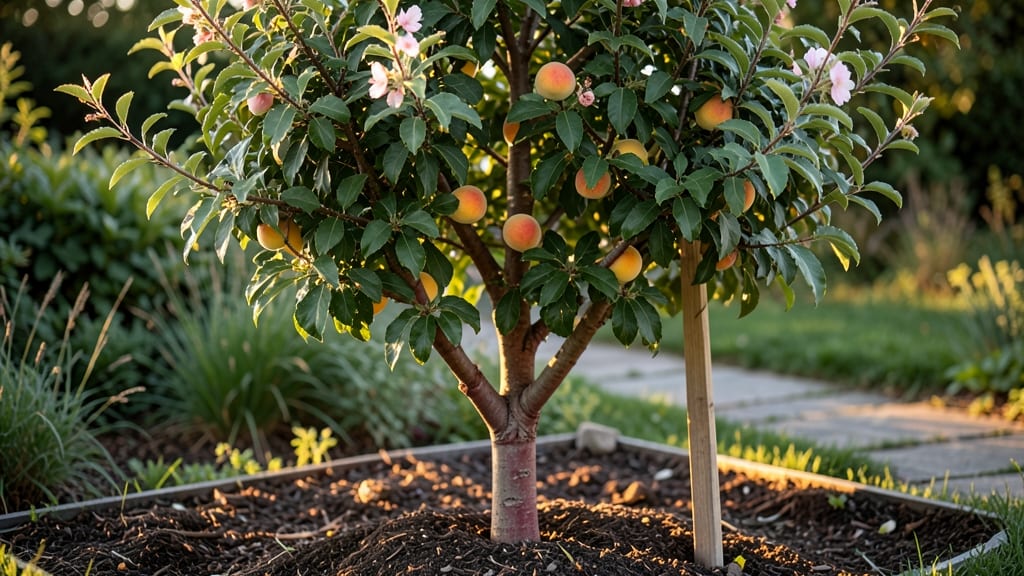
Family Tree Donut peaches grown from seed need cold stratification for 60-90 days to break dormancy, followed by planting in well-draining soil after the last frost. These trees take 3-5 years to bear fruit, with optimal growth in USDA hardiness zones 5-9. Annual pruning is essential to develop a strong branch structure.
Growing these heirloom peaches from seed is a rewarding but patient process, as the cold stratification step mimics winter conditions to trigger germination. 🌱 The 60-90 day period in moist, cool conditions (around 40°F) prepares the seed for spring planting, while the 3-5 year wait until fruiting reflects the tree's need to establish a robust root system.
Zone-specific timing—planting after last frost in zones 5-9—ensures seedlings aren't damaged by late-season cold snaps, which can stunt growth. Pruning in early spring helps redirect energy to fruit production rather than excessive foliage.
What sets Family Tree Donut peaches apart is their compact growth habit, making them ideal for smaller orchards or container growing. The 15-20 foot spacing between trees allows for proper air circulation, reducing disease risk while maximizing sunlight exposure.
I've found that young trees benefit from a balanced fertilizer (10-10-10) applied in early spring, followed by consistent moisture—about 1-2 inches per week—to prevent stress during their critical development years.
💡 In This Article
- Cold Stratification and Germination Timeline for Donut Peach Seeds
- Soil, Spacing, and Yearly Care for Family Tree Donut Peach Seedlings
Cold stratification and germination timeline for donut peach seeds
The cold stratification process mimics the natural winter cycle these seeds experience in their native environment. When you place peach seeds in a moist medium like damp sand or peat moss at 35-40°F for 60-90 days, you're essentially tricking the seed into believing winter has passed.
This period allows the seed's natural inhibitors to break down, which is crucial because fresh peach seeds contain high levels of cyanogenic glycosides that prevent premature germination. The cold treatment also softens the seed coat, allowing water to penetrate and kickstart metabolic activity inside.
During stratification, seeds need consistent moisture—think of it like giving them a gentle drink every few weeks to maintain dampness without waterlogging. The ideal moisture level keeps the medium damp to the touch but not soggy, similar to how a wrung-out sponge would feel.
Light isn't necessary during this phase, as seeds germinate underground in nature. What matters most is maintaining that 40°F temperature range—any warmer, and the stratification fails; any colder, and growth slows dangerously.
Once stratified, seeds typically germinate within 2-4 weeks when planted in warm soil, though some may take up to 6 weeks depending on individual seed vigor.
USDA hardiness zones play a critical role in determining your planting window. In zone 5, where winters are harsh, you'd start stratification in late fall (around October-November) to plant outdoors in late spring after the last frost date—usually mid-May.
Meanwhile, zone 9 gardeners can stratify seeds in early winter and plant as early as February when soil temperatures stabilize above 60°F.
The key is aligning your stratification timeline with your local frost dates to avoid exposing young seedlings to late-season cold snaps, which can kill tender new growth. 🌱
What most people don't realize is that peach seeds have a 50-70% germination rate even under perfect conditions. This variability means you might need to plant 20-30 seeds to guarantee a few strong seedlings.
The first sign of successful germination is a tiny white root emerging from the seed, followed by the shoot breaking through the soil surface within days. At this stage, seedlings are extremely fragile—direct sunlight can scorch them, so providing shade cloth until they establish true leaves is wise.
For gardeners in colder zones (5-6), consider extending stratification to 90 days to ensure maximum germination. The extra time helps compensate for shorter growing seasons. In warmer zones (7-9), you can reduce stratification to 60 days while still achieving good results.
The goal is to have seedlings ready to transplant when soil temperatures consistently reach 65°F—this warmth signals the tree's root system to expand aggressively, setting the stage for robust growth over the next few years.
One pro tip: Label your stratified seeds immediately with the date and variety. Family Tree Donut peaches have a distinctive flat, slightly indented seed shape that helps with identification.
Keeping a germination journal tracking which seeds sprout first can reveal patterns—some years, certain seeds may perform better, giving you insights for future planting strategies. 💫