
Container Gardens
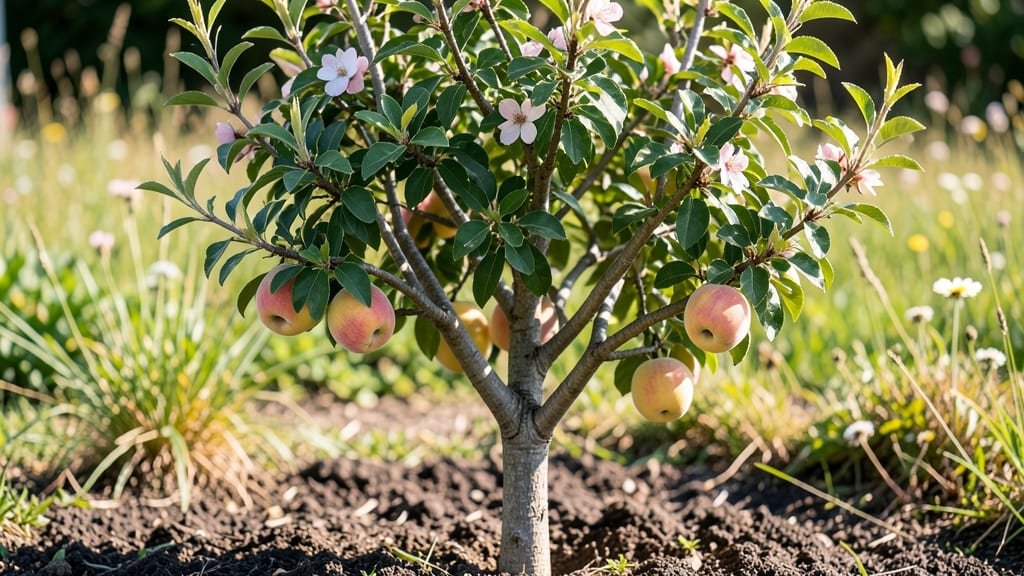
Donut peach trees grow best in USDA zones 5 through 9, where they enjoy moderate temperatures and well-drained soil. Cold-resistant varieties can survive in zone 4, while heat-tolerant ones thrive in zone 10 with proper winter care.
Understanding these growing zones helps you pick the right variety for your climate. 🌳 For example, zone 5 gardeners should choose cold-hardy 'Relentless' or 'Redhaven' types, while zone 10 growers benefit from 'Sanguinelli' or 'Elberta' cultivars that handle summer heat.
The key difference lies in their ability to handle winter dormancy and summer heat stress—both critical for fruit production.
Beyond the zone number, microclimates matter. Urban areas with heat islands may push zone 9 plants into zone 10 stress, while rural spots with cold air pooling might require zone 6 protection for zone 5 trees.
I always recommend testing your soil's drainage and pH first—peach trees hate soggy roots but thrive in slightly acidic soil (pH 6.0-7.0).
💡 In This Article
- Peach Tree Hardiness Zones Explained
- Optimal Planting Conditions for Donut Peach Trees
Peach tree hardiness zones explained
Donut peach trees rely on a precise balance of winter dormancy and summer heat to produce fruit. The USDA zones 5-9 represent their core range because these areas provide 150-200 chill hours (temperatures between 32-45°F) needed to break dormancy, while avoiding extreme winter dieback below -10°F.
Zone 4 varieties like 'Relentless' can tolerate -20°F with proper winter mulching, but their fruit quality often suffers due to insufficient summer heat accumulation.
The magic happens during flowering, when peach trees need daytime temperatures above 55°F and nights above 40°F for successful pollination. In zone 10, heat-tolerant cultivars like 'Sanguinelli' handle summer temperatures up to 105°F by entering a semi-dormant state, but they require winter protection from 30°F frosts.
Microclimates play a huge role—urban areas with concrete heat retention can push zone 9 trees into heat stress, while valley bottoms may experience 10°F colder nighttime temperatures than nearby hillsides.
Cold snaps during bloom (late winter) are particularly devastating because they kill blossoms before fruit sets. A single -5°F event can reduce yields by 50-70%, which is why zone 5-6 growers often use frost cloth or smudge pots.
The tree's cambium layer (growth tissue) also freezes below -15°F, causing bark splitting and dieback. This is why zone 4 trees need thick mulch (4-6 inches) and windbreaks—protecting the trunk from temperature swings matters more than absolute minimum temps.
Here's how zones break down practically:
- Zones 5-6: Cold-hardy varieties like 'Redhaven' need 150-200 chill hours and can handle -15°F with protection
- Zones 7-8: Standard types like 'Elberta' thrive with 300-500 chill hours and 50-80°F summers
- Zone 9-10: Low-chill varieties (100-200 hours) like 'Sanguinelli' require winter chilling (30-40°F for 2-3 weeks)
What most gardeners miss is that peach trees actually need both cold dormancy AND summer heat—without sufficient summer warmth (above 80°F for 2-3 months), fruit won't mature properly. This is why zone 10 trees need winter chilling periods, even if they handle summer heat.
The tree's internal clock counts both cold nights and warm days to trigger flowering each year.
For donut peach trees specifically, the goal is consistent fruit production for 15+ years, which requires balancing these extremes.
A zone 7 tree might produce better donuts than a zone 4 tree because it gets more summer heat for sugar development, but it's also more vulnerable to late spring frosts. The sweet spot is zones 6-8 where both chill requirements and heat accumulation are reliably met.