
Pruning
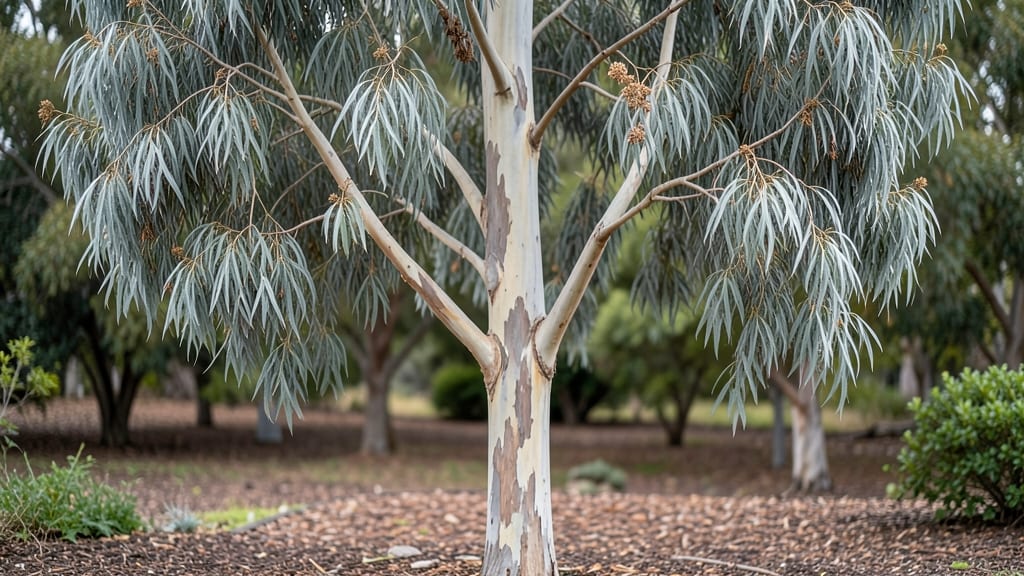
Eucalyptus trees can thrive in Zone 7 climates when planted with the right preparation: prioritize well-draining soil, select cold-resistant varieties like Eucalyptus pauciflora or Eucalyptus cinerea (which handle temperatures down to 10°F), and protect young trees with heavy mulching and strategic watering during dry periods.
Zone 7's chilly winters can challenge eucalyptus trees, but the key lies in choosing the right species and creating protective conditions. 🌳 The mountain-dwelling varieties I recommend—like Eucalyptus pauciflora—evolved to handle freezing temperatures, making them ideal for this climate.
Their smaller stature (typically 20-40 feet) also means they're less vulnerable to wind damage compared to taller species. The secret to their success? A combination of proper soil aeration and winter insulation through mulching, which mimics their natural rocky habitats.
For planting, focus on elevated areas to avoid cold air pockets, and consider wrapping young trunks with burlap during harsh freezes. I've found that pruning in late winter (before new growth starts) helps redirect energy toward root development, giving your tree a stronger foundation for summer's heat.
The goal is to create a microclimate that shields roots from extreme temperature swings—something these Australian natives aren't naturally equipped to handle.
💡 In This Article
- Cold-Hardy Eucalyptus Varieties for Zone 7 Climates
- Zone 7 Eucalyptus Planting and Winter Protection Guide
Cold-hardy eucalyptus varieties for Zone 7 climates
The eucalyptus species that thrive in Zone 7's 10°F to 20°F (-12°C to -7°C) winters share a common trait: they originate from Australia's mountainous regions, where temperatures can drop sharply at night while days remain mild. Eucalyptus pauciflora (Snow Gum) is the most cold-resistant variety, with its silvery-blue foliage and ability to withstand 10°F (-12°C) temperatures.
Its native habitat in the Australian Alps exposes it to frost, wind, and rocky soils—conditions that mirror what Zone 7 gardeners can recreate with proper care. 🌟
Another excellent choice is Eucalyptus cinerea (Argyle Apple), which tolerates 15°F (-9°C) and grows to 20-30 feet with a rounded canopy, making it ideal for smaller landscapes. Unlike tropical eucalyptus species that can't handle frost, these varieties have thicker bark and smaller leaves that reduce moisture loss during cold snaps.
Their growth rates are moderate—12-24 inches per year—allowing them to establish strong root systems before winter sets in.
What sets these cold-hardy varieties apart is their dormancy strategy: they slow metabolic activity during freezing temperatures, conserving energy until warmer weather returns. For example, E. pauciflora may drop some leaves in extreme cold, but its roots remain protected by the mulch layer.
This adaptability is why they outperform tropical species like Eucalyptus globulus, which can't survive below 25°F (-4°C) without protection. 🔥
When selecting a variety, consider your space and purpose: E. pauciflora works well as a specimen tree due to its striking foliage, while E. cinerea is better for hedges or screens thanks to its dense growth.
Both species produce fragrant flowers—E. cinerea's blooms are particularly aromatic, attracting pollinators even in cooler months. Their scent is strongest in early morning, making them excellent for sensory gardens.
For best results, plant these varieties in full sun with 6-8 hours of direct light daily, as their native habitats receive intense sunlight.
The key to their success in Zone 7 isn't just cold tolerance—it's replicating their natural growing conditions, including well-draining soil and protection from harsh winds that can desiccate their leaves. This combination allows them to thrive where tropical eucalyptus would fail. ✨
One common misconception is that all eucalyptus trees need constant moisture, but these cold-hardy varieties actually prefer moderate watering once established (about 1 inch per week during dry spells). Overwatering can lead to root rot, a major issue in Zone 7's humid summers.
Their deep root systems make them surprisingly drought-tolerant once mature, which is why they're often used in water-wise landscaping projects. 💫