
Shrubs
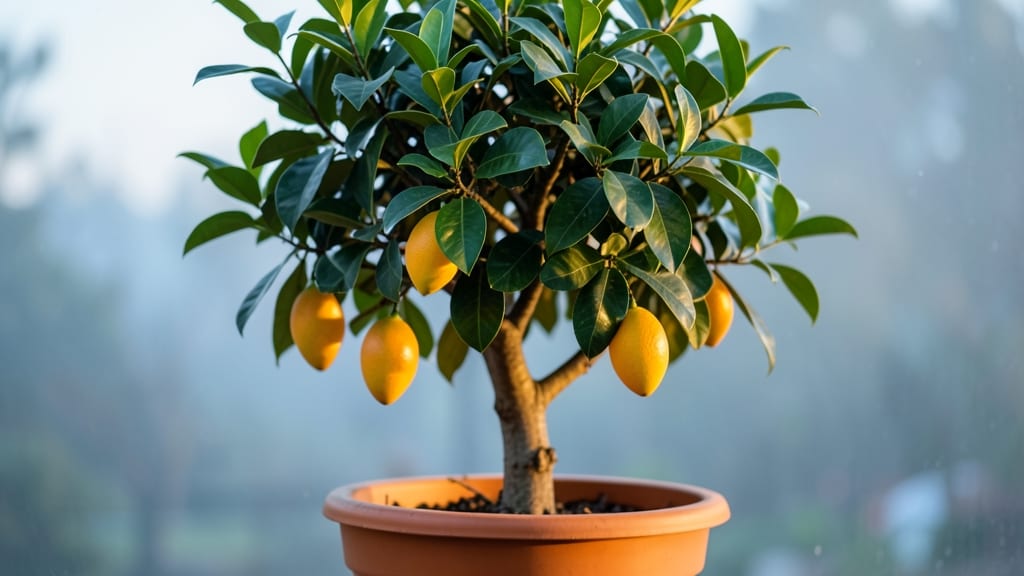
Small spaces shouldn’t limit your dream of growing tropical fruit. These 10 dwarf mango tree varieties thrive in containers or tight gardens while delivering sweet, juicy rewards—perfect for urban balconies or patios with limited square footage.
Cogshall Mango: Cold-Hardy Dwarf Variety
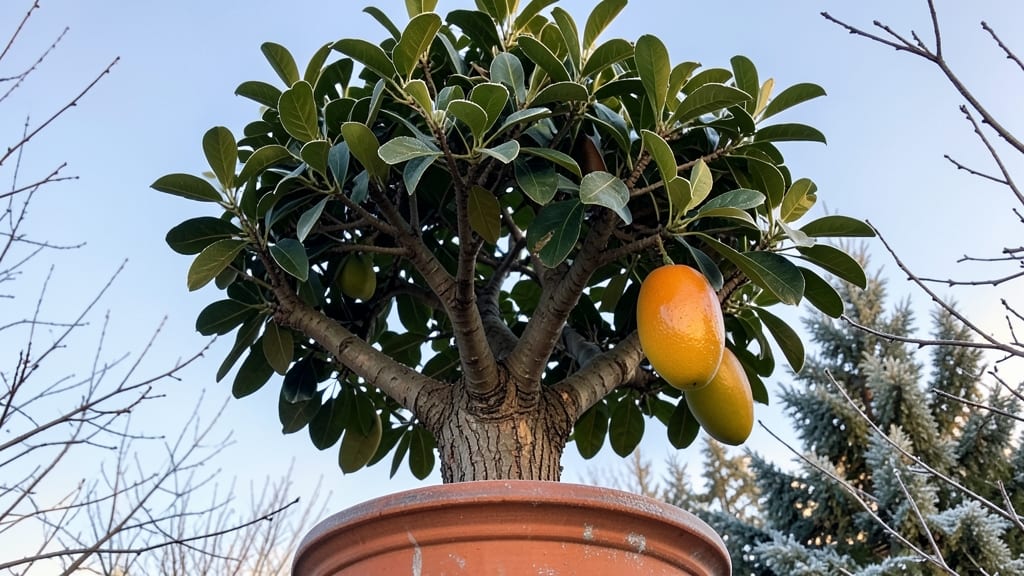
If you live in a northern climate where frost is a regular threat, the Cogshall mango is your gateway to homegrown tropical fruit. Unlike most mango varieties, this dwarf cultivar thrives in temperatures as low as 20°F, making it the only true cold-hardy option for container growers in zones 8-10.
Grown in a 5-gallon container or larger, this tree stays compact (6-8 feet tall) while producing large, sweet fruit with a rich orange-red hue. It requires full sun and well-draining soil, but its tolerance for cooler nights means you can leave it outdoors year-round in milder winters or move it to a garage during freezes. The fruit ripens in late summer, offering a harvest window similar to traditional varieties.
This variety is perfect for urban gardeners or anyone with limited space who dreams of fresh mangoes. Its cold hardiness and manageable size make it the ultimate low-maintenance tropical fruit tree for cooler climates. 🌟
Julie Mango: Ultra-Dwarf for Balconies
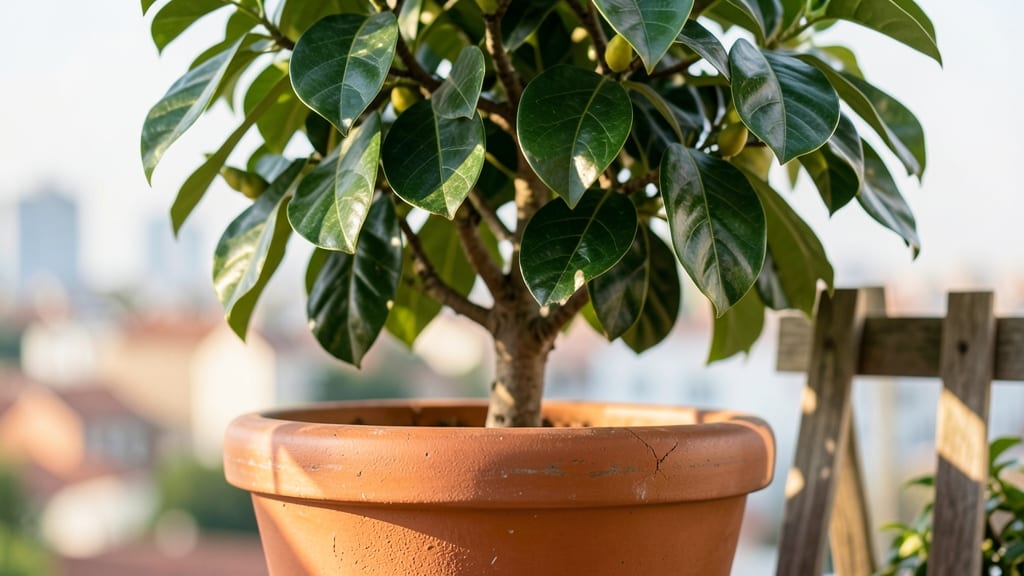
If your balcony is your only gardening space, the Julie mango is your ticket to tropical fruit without the tropical footprint. This ultra-dwarf variety stays neatly under 6 feet tall, making it ideal for containers as small as 15-gallon pots—perfect for city dwellers with limited room.
What makes it special? Its small but intensely sweet fruit ripens reliably in containers, and it thrives in full sun to partial shade, adapting to urban microclimates. Unlike larger mango trees, Julie doesn’t require heavy pruning—just occasional trimming to maintain shape and encourage airflow. For best results, use well-draining soil and fertilize lightly during growing season.
This variety is ideal for beginner growers or anyone who wants a low-maintenance tropical tree. With proper care, you’ll enjoy homegrown mangoes in just a few years—no orchard required! 🌱
Keitt Mango: Disease-Resistant Compact Tree
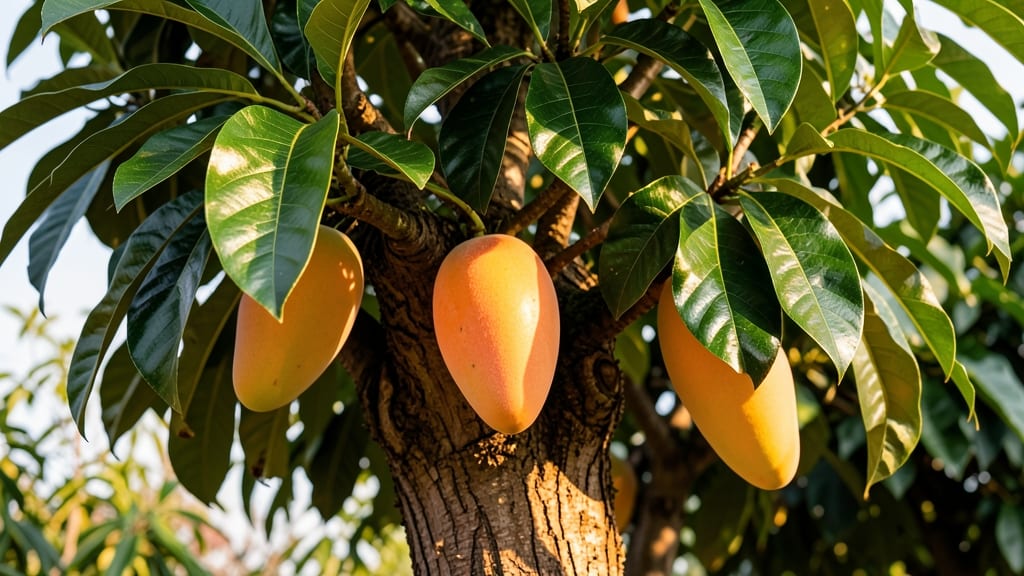
If anthracnose has been a recurring nightmare in your garden, the Keitt mango is your knight in shining armor. This compact variety isn’t just disease-resistant—it’s a powerhouse for commercial growers and organic gardeners alike, producing heavy, sweet fruit with minimal fuss.
Unlike other mango varieties, the Keitt thrives in humid climates and resists fungal infections, making it perfect for organic orchards or backyard gardens where chemical treatments are avoided. Its fibrous, flavorful fruit matures reliably, and its moderate size (15–20 feet) keeps it manageable even in small spaces. For best results, plant in well-draining soil and provide full sun exposure—this variety rewards patience with abundant harvests year after year.
Organic gardeners and small-scale farmers will love its low-maintenance nature and high yield. It’s the ideal choice for those who want tropical fruit without the hassle. 🌱
Ice Cream Mango: Fast-Fruiting Dwarf
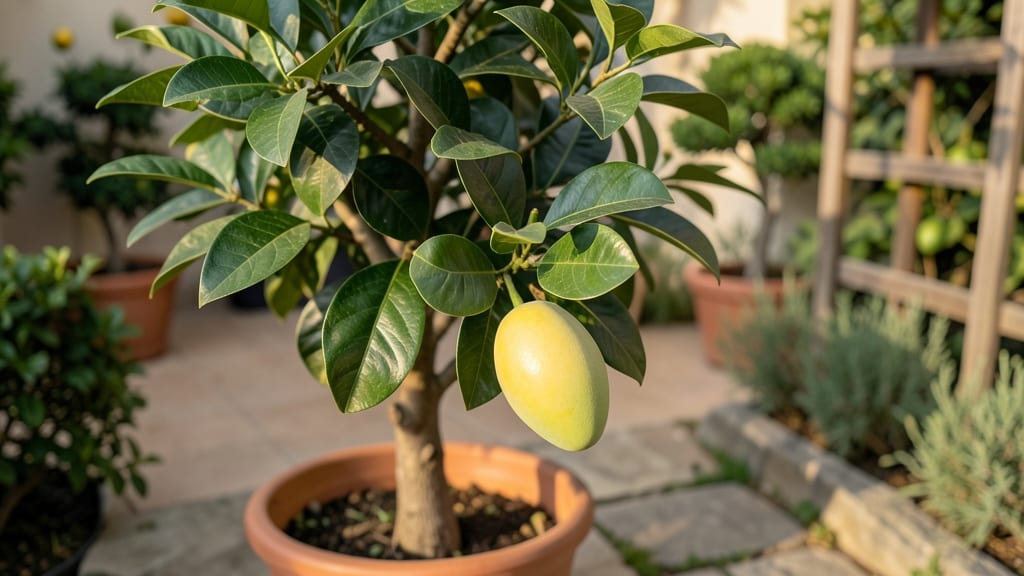
If you’ve ever dreamed of plucking fresh mangoes from your own backyard but thought you’d have to wait a decade, the Ice Cream Mango is here to change your mind. This fast-fruiting dwarf variety delivers ripe, creamy-yellow fruit in just 2–3 years—no patience required!
Unlike traditional mango trees that take 5–7 years to bear fruit, the Ice Cream Mango prioritizes speed without sacrificing flavor. Its compact size (typically 6–10 feet tall) makes it perfect for containers, balconies, or small gardens. To encourage early fruiting, plant in well-draining soil with full sun (6–8 hours daily) and fertilize lightly during spring and summer. The fruit’s sweet, custard-like texture earns its name—and your taste buds will thank you!
This variety is ideal for urban gardeners or anyone craving instant gratification. It’s also a great choice for educational gardens where quick results inspire kids to learn about fruit trees. 🌱
Carrie Mango: Low-Maintenance Container Choice
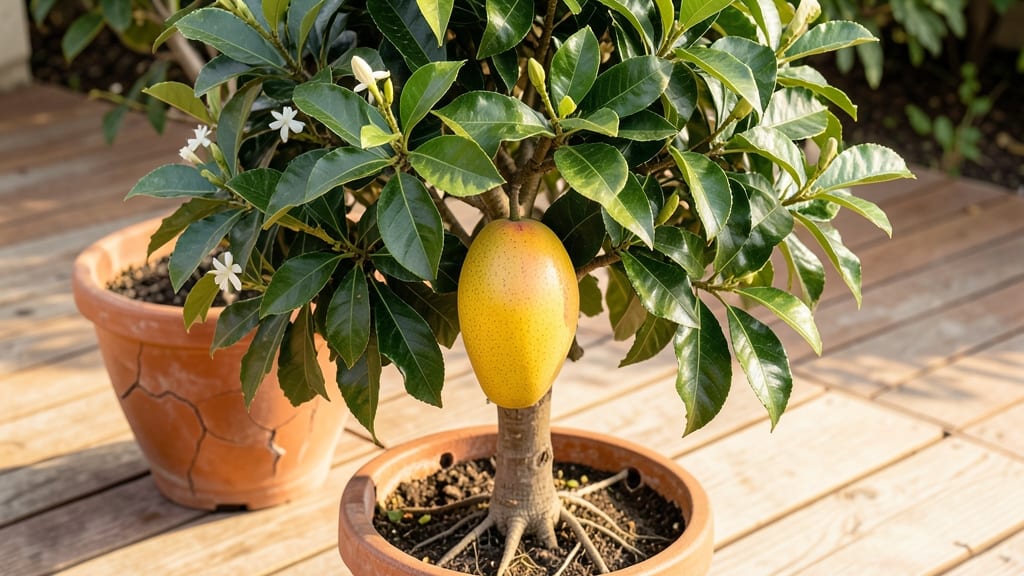
If you dream of tropical fruit but dread the upkeep, the Carrie mango is your perfect match. This dwarf variety thrives in containers with minimal fuss, offering large, sweet fruit and lush foliage without the pruning demands of other varieties.
Growers love it for its low-maintenance nature—it tolerates occasional neglect and requires only light pruning to shape its broad, glossy leaves. A single tree in a 15-20 gallon pot provides years of harvests, making it ideal for patios or small balconies where space is limited.
This variety is especially rewarding for beginners or busy gardeners who want tropical flavors without the work. Just provide full sun and consistent watering, and enjoy the rewards of your own homegrown mangoes. 🌱
Ataulfo Mango: Sweetest Dwarf Variety
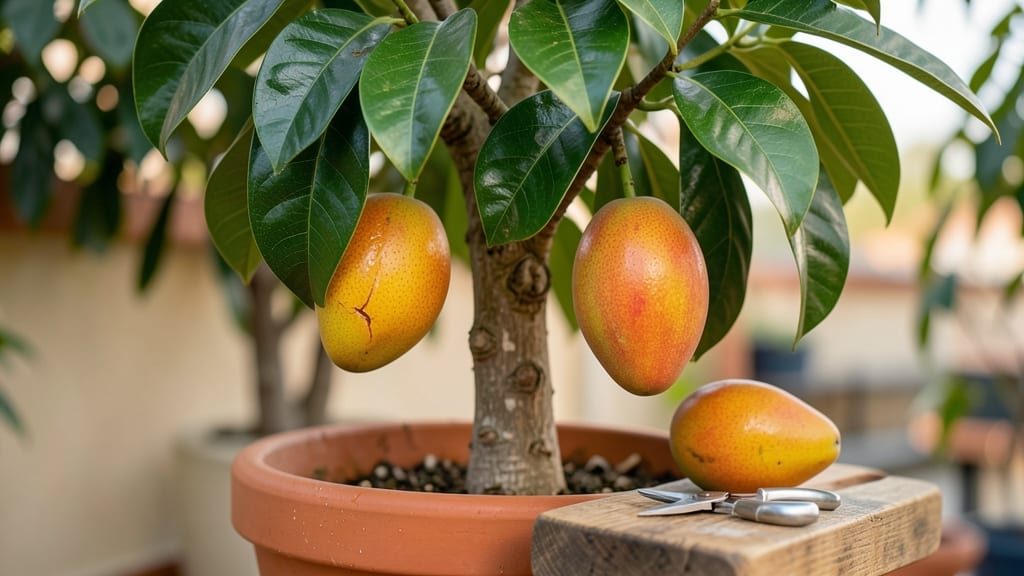
If you’ve ever craved restaurant-quality mangoes but lack the space for a full-sized tree, the Ataulfo mango is your answer. This dwarf variety delivers a honey-like sweetness that rivals tropical fruit stands, with a compact size perfect for containers or small gardens.
Grown to just 10–15 feet tall, Ataulfo thrives in full sun (6–8 hours daily) and tolerates warm climates (USDA Zones 10–11). Its golden-orange fruit ripens year-round in ideal conditions, producing 1–2 pounds per tree. Prune lightly to maintain shape and fertilize monthly during fruiting seasons for maximum yield.
Flavor enthusiasts and urban gardeners will love this variety—it’s the only dwarf mango that delivers restaurant-quality taste at home. 🌟
Osteen Mango: Cold-Tolerant Mini Tree
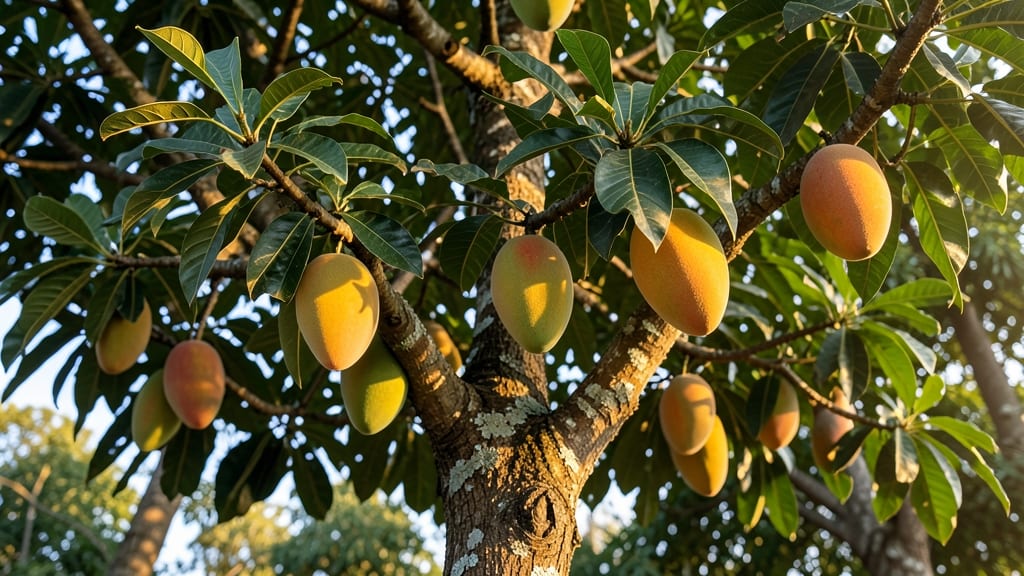
If you live in USDA Zone 9 and want a reliable mango tree that won’t bolt at the first frost warning, the Osteen mango is your best bet. Unlike its tropical cousins, this variety can handle brief cold snaps down to 28°F, making it the unsung hero of cooler microclimates while still delivering heavy yields of sweet, juicy fruit—no tropical vacation required.
This compact tree matures around 12–15 feet tall, perfect for small yards or large containers, and thrives in well-draining soil with full sun exposure. Unlike some dwarf varieties, Osteen doesn’t sacrifice fruit size for its hardiness—expect large, flavorful mangoes that ripen in late summer. Prune lightly after harvest to maintain shape and encourage airflow, reducing disease risk.
Gardeners in Zone 9 who’ve struggled with finicky tropical trees will love Osteen’s resilience and productivity. It’s the ideal choice for those who want year-round tropical vibes without the high-maintenance fuss. 🌟
Carrie Red Mango: Vibrant Fruit on Small Tree
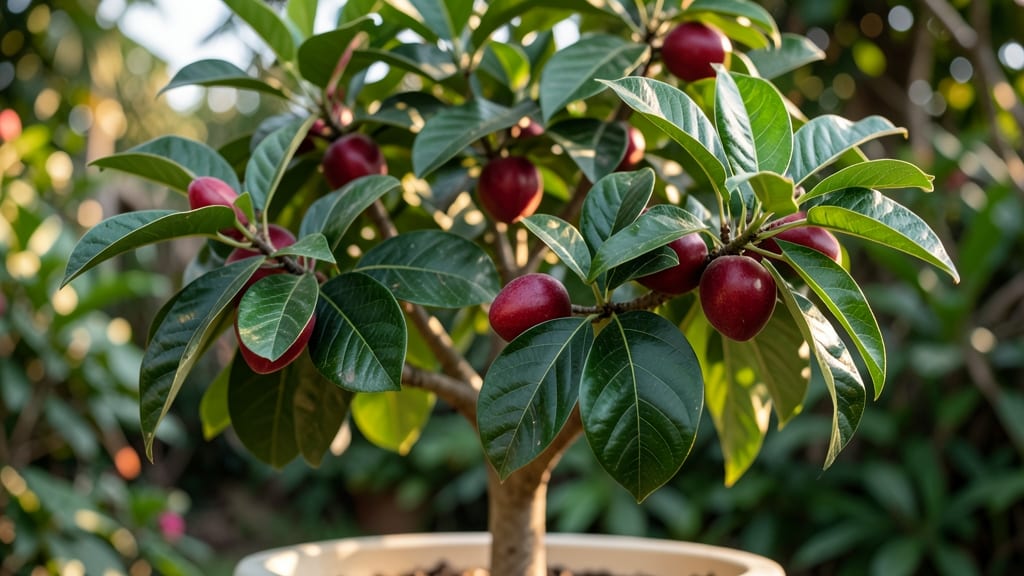
If you love the look of tropical fruit but lack space for a full-sized mango tree, the Carrie Red Mango delivers dramatic color and compact size. Its deep red fruit stands out against glossy green leaves, making it a showstopper in containers or small gardens.
This dwarf variety stays under 10 feet tall, perfect for patios or ornamental beds. It thrives in full sun and well-draining soil, producing fruit that ripens from green to vibrant red. The tree’s ornamental value extends beyond harvest—its striking foliage adds year-round interest.
Ideal for gardeners who prioritize aesthetics over just edible yields, this variety is especially popular in Mediterranean climates. Its compact growth and bold fruit make it a standout for landscaping enthusiasts or those who want a tropical focal point without the space commitment. 🌻
Kensington Pride Mango: Early-Blooming Dwarf
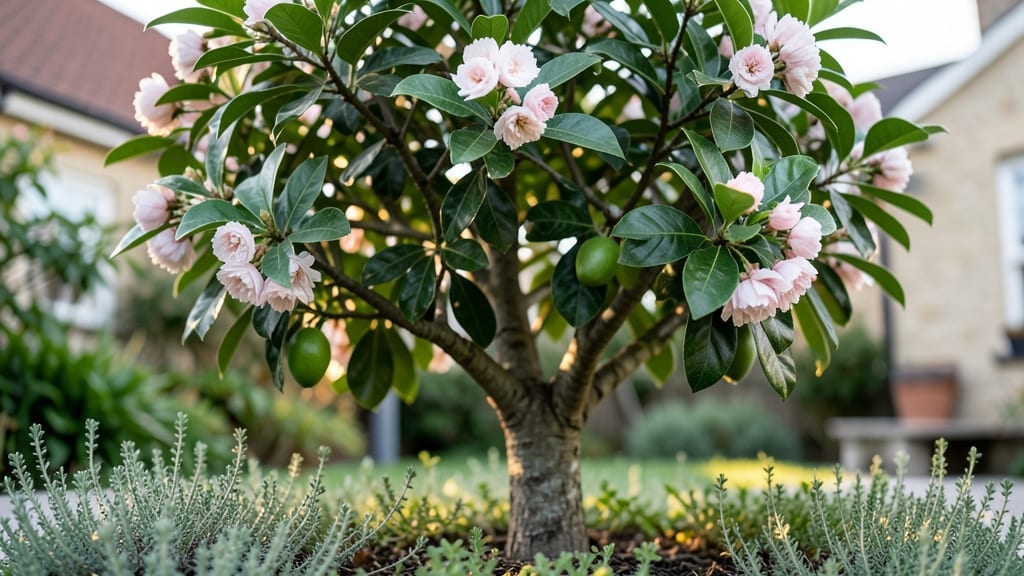
If you're eager to taste homegrown mangoes before summer even begins, the Kensington Pride Mango is your early-season champion. Unlike most dwarf varieties that take years to fruit, this one races ahead with early blooms and quick fruit set, delivering your first harvest as early as late spring or early summer—perfect for impatient gardeners.
This compact tree thrives in warm microclimates (USDA Zones 10-11) and adapts beautifully to large containers (15+ gallons), making it ideal for patios, courtyards, or even sunny balconies. Its dwarf stature (8-10 feet) ensures it won’t outgrow small spaces, while its vigorous early growth means you’ll see flowers and fruit within just 2-3 years of planting. For best results, place it in full sun and use a well-draining, slightly acidic soil mix to mimic tropical conditions.
Gardeners in urban heat islands or microclimates with extended warm seasons will love this variety—it’s the fastest path to tropical fruit without sacrificing the compact charm of dwarf mangoes. 🌟
Cogshall Improved Mango: Disease-Resistant Compact Tree

If you live in USDA Zone 7 or colder and want to grow mangoes without fear of frost or fungal diseases, the Cogshall Improved Mango is your game-changer. This upgraded version of the classic Cogshall can handle 25°F temperatures—10°F colder than its predecessor—while staying compact enough for containers.
Its disease-resistant roots mean fewer worries about anthracnose or powdery mildew, even in humid summers. For best results, plant in a 15-gallon pot with well-draining soil and place it where it gets full sun (6+ hours). Prune lightly in late winter to maintain shape and encourage air circulation. 🌱
This variety is ideal for northern gardeners who’ve given up on mangoes before—now you can enjoy homegrown tropical fruit without sacrificing hardiness. The sweet, fibrous fruit ripens later in the season, rewarding patience with a true taste of the tropics. 🌟